
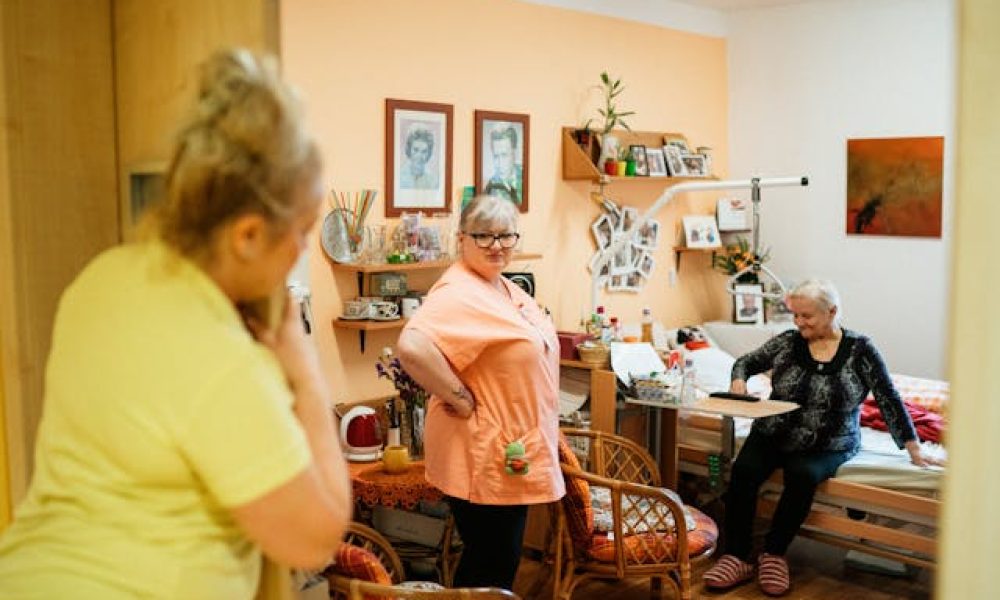
Residential care has long been an important option for families seeking supportive living environments for older relatives or loved ones with increasing health needs. In recent years, however, the landscape of residential care has shifted in noticeable ways. Families are not only paying attention to the quality of medical and personal support but also to how care settings are evolving in response to expectations for comfort, individuality, and community.
These changes reflect broader social shifts, innovations in care practice, and the growing desire for environments that respect dignity, identity, and quality of life. Below, we explore how residential care is changing, why families are noticing, and what these shifts mean for the future of long-term care.
A New Focus on Person-Centered Living
Traditionally, residential care emphasized clinical routines and standard schedules. Today, more care settings are adopting a person-centered philosophy that places individual preferences and routines at the heart of daily life. Rather than everyone following the same timetable for meals, activities, and rest, residents now have more choice in how they organize their day.
This approach honors each person’s history, habits, and personality. Families often remark that this level of personalization helps residents feel more comfortable and less like they are living in an institution.
Homely Environments That Reflect Identity
The physical environment in residential care has also changed. Many settings are investing in décor and design that feel more like a home than a care facility. This includes comfortable lounges, personalized rooms, and thoughtful touches that create warmth rather than a purely clinical feel.
Families visiting loved ones often notice how these changes impact the mood and engagement of residents. A space that feels familiar and welcoming can encourage social interaction, reduce anxiety, and foster a sense of belonging.
Integration of Technology for Better Care and Connection
Advances in technology are making care more responsive and connected. Electronic care records, wearable health monitors, and telehealth consultations help care teams stay informed and proactive about health changes. At the same time, technology is helping residents stay connected with family and friends through video calls and digital messaging.
Families appreciate the clarity and transparency that technology can provide. Real-time updates and easier communication with care teams help reduce anxiety and build trust.
Enriched Activities That Promote Wellbeing
Today’s residential care communities are placing greater emphasis on meaningful activity programs that support physical, emotional, and cognitive wellbeing. Rather than offering a limited schedule of passive pastimes, many care settings now provide a diverse range of activities designed around residents’ interests.
These can include music sessions, intergenerational programs, creative workshops, gentle exercise classes, and community outings. Families often notice how this variety helps their loved ones stay engaged, stimulated, and socially active.
Attention to Emotional and Social Needs
Residential care is no longer focused solely on physical health. There is a growing recognition that emotional and social wellbeing are equally important. Care teams are trained to support not only physical needs but also to understand the emotional landscape of each resident.
This includes fostering friendships, supporting family relationships, and responding to the psychological impacts of ageing or life transitions. Families often report that they feel reassured when they see staff taking time to build rapport and meaningful connections with residents.
Flexible Visiting and Family Involvement
Contemporary care settings are becoming more open to family involvement. Rather than strict visiting hours and formal boundaries, many homes encourage family participation in everyday life. Shared meals, involvement in celebrations, and open communication channels make families feel included and supportive of the care process.
One example of this evolving approach can be seen at a care home like the care home in Harpenden, where family engagement, flexibility, and respectful support are central to the experience.
A Commitment to Cultural Sensitivity and Inclusivity
As societies become more diverse, residential care providers are also adapting to meet the cultural, religious, and lifestyle preferences of residents. This includes offering varied food options, recognizing cultural traditions, and being responsive to the individual identities of each person.
For families, knowing that a care setting honors their loved one’s background and preferences is an important part of feeling confident in their choice.
Preparing for the Future of Residential Care
The changes taking place in residential care reflect a deeper understanding of what quality of life means in the context of aging or long-term support. Families are noticing that care is no longer about simply meeting physical needs. It is about enabling individuals to live with dignity, purpose, and connection.
As residential care continues to evolve, it is likely to place even greater emphasis on holistic wellbeing, personalized experiences, and meaningful community engagement. These shifts are helping residential care become a setting where people can thrive, not just receive care.