
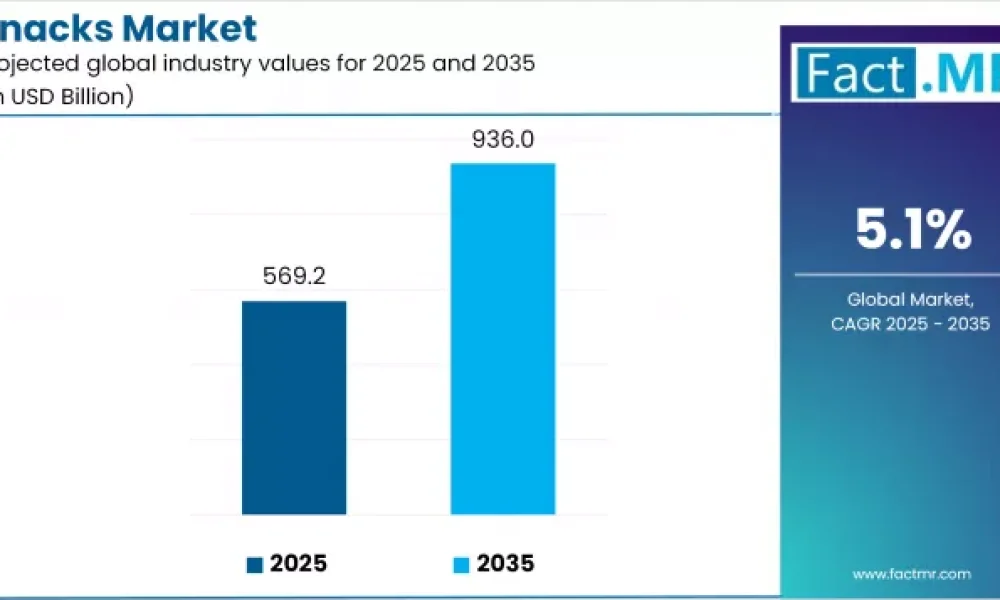
The global snacks market is projected to experience strong momentum in 2026, driven by rising consumer demand for convenience foods, evolving dietary habits, and increasing preference for healthier, functional snacking options. Snacks—including savory items, bakery snacks, confectionery snacks, fruit-based snacks, protein bars, nuts, and ready-to-eat convenience products—continue to gain prominence as consumers shift toward quick, energy-boosting dietary patterns. This press release highlights global market size expectations, top growth drivers, shifting consumer preferences, product innovation trends, and strategic recommendations for manufacturers, retailers, and investors.
Market Size and Growth Outlook
The global snacks market is expected to exceed USD 600 billion in 2026, reflecting resilient demand across both developed and emerging economies. Growth is supported by expanding retail infrastructure, rapid urbanization, and a surge in consumption of packaged foods. North America and Europe remain major consumer markets, while Asia-Pacific is emerging as a high-growth region due to rising disposable incomes and westernization of diets.
The growing variety of snack types—including plant-based, high-protein, low-sugar, gluten-free, and clean-label formulations—is further expanding consumer reach and driving market penetration among health-conscious demographic groups.
To access the complete data tables and in-depth insights, request a Discount On The Report here: https://www.factmr.com/connectus/sample?flag=S&rep_id=50
Key Growth Drivers
- Convenience-Led Consumption
Fast-paced lifestyles and increased time spent outside traditional mealtimes are accelerating demand for portable, ready-to-eat snacks. Younger consumers increasingly prefer snacks as meal replacements, particularly in urban markets.
- Shift Toward Healthy and Functional Snacks
Consumers are prioritizing nutritional value, driving the shift toward protein-rich snacks, immunity-boosting formulations, low-carb options, and snacks fortified with vitamins, minerals, probiotics, and natural ingredients. This trend is expected to be a major growth catalyst in 2026.
- Expansion of E-commerce and Direct-to-Consumer (D2C) Channels
Online grocery platforms and brand-owned D2C stores are reshaping purchasing behavior, providing greater access to premium and niche snack products. Personalized snack boxes and subscription-based snack delivery models are gaining traction globally.
- Rising Influence of Clean-Label and Sustainability Trends
Natural ingredients, minimal processing, transparent ingredient lists, and sustainable packaging solutions are becoming essential for brands targeting informed, health-focused consumers.
Regional Market Insights
North America
A leading market driven by high per-capita snacking consumption and strong presence of multinational brands. Demand for organic, protein-rich, and plant-based snacks is rising rapidly, especially among millennials and Gen Z consumers.
Europe
The European market reflects strong demand for baked snacks, premium confectionery items, and healthy alternatives such as dried fruits, nuts, and yogurt-based snacks. Sustainability, clean-label formulation, and eco-friendly packaging are key purchase influencers.
Asia-Pacific
Asia-Pacific is the fastest-growing region, expanding quickly due to urbanization, rapid retail development, and increasing adoption of western snacking habits. India, China, Japan, and Southeast Asia are major hubs for product diversification and consumer experimentation.
Technology & Product Innovation Trends
Innovation remains central to market competitiveness in 2026, with key trends including:
- Plant-based and allergen-free snacks appealing to vegan, gluten-free, and lactose-intolerant consumers
- Protein and fiber-fortified snacks targeting fitness and health-focused demographics
- Low-sugar, low-fat, and low-salt formulations driven by changing nutritional guidelines
- Novel flavors inspired by global cuisines attracting adventurous snackers
- Sustainable packaging innovations such as biodegradable wraps and recyclable materials
- AI-driven personalization, enabling brands to tailor snack recommendations based on consumer behavior
Manufacturers are increasing their investment in R&D to deliver nutrient-dense, convenient, and indulgent snack products that cater to diverse consumer needs.
Challenges
Despite positive momentum, the global snacks market faces certain challenges, including:
- Rising regulatory scrutiny related to sugar content, additives, and health claims
- Fluctuations in raw material prices, particularly nuts, grains, cocoa, and plant proteins
- Intense competition among global and regional players
- Pressure to innovate while keeping prices affordable
To overcome these challenges, brands must strengthen supply chain resilience, ensure transparent labeling, and balance indulgence with nutrition.
Strategic Implications for 2026
For manufacturers: Focus on health-forward formulations, sustainable packaging, and flavor diversification. Investing in clean-label innovation and plant-based lines is essential.
For retailers: Expand omnichannel reach, enhance online grocery capabilities, and promote personalized snack offerings to meet evolving demand patterns.
For investors: The snacks market presents strong growth potential, supported by robust consumer demand and ongoing product innovation across all regions.
Have a specific Requirements and Need Assistant on Report Pricing or Limited Budget please contact us – [email protected]
About Fact.MR
Fact.MR is a global market research and consulting firm, trusted by Fortune 500 companies and emerging businesses for reliable insights and strategic intelligence. With a presence across the U.S., UK, India, and Dubai, we deliver data-driven research and tailored consulting solutions across 30+ industries and 1,000+ markets. Backed by deep expertise and advanced analytics, Fact.MR helps organizations uncover opportunities, reduce risks, and make informed decisions for sustainable growth.



