
Aviation brand website design will shift toward a more practical and focused direction in 2026. Brands will aim for faster performance, more direct communication, and layouts that support real user behavior. These changes will come from new expectations around clarity, accessibility, and trust. The next year will push aviation websites toward cleaner structures and data-driven design choices that give travelers what they want with less friction.
Why Aviation Brands Will Redesign Their Sites in 2026
Aviation companies will face rising pressure to modernise their digital presence. Travelers will expect information that is easy to read, simple to act on, and available with minimal delay. Older layouts filled with dense menus or slow components will begin to fall behind evolving expectations. In 2026, aviation brands will streamline the foundations of their sites by improving page speed, removing clutter, and strengthening readability. Websites will increasingly be treated as operational tools rather than static marketing surfaces.
Booking Paths Will Become Shorter and More Direct
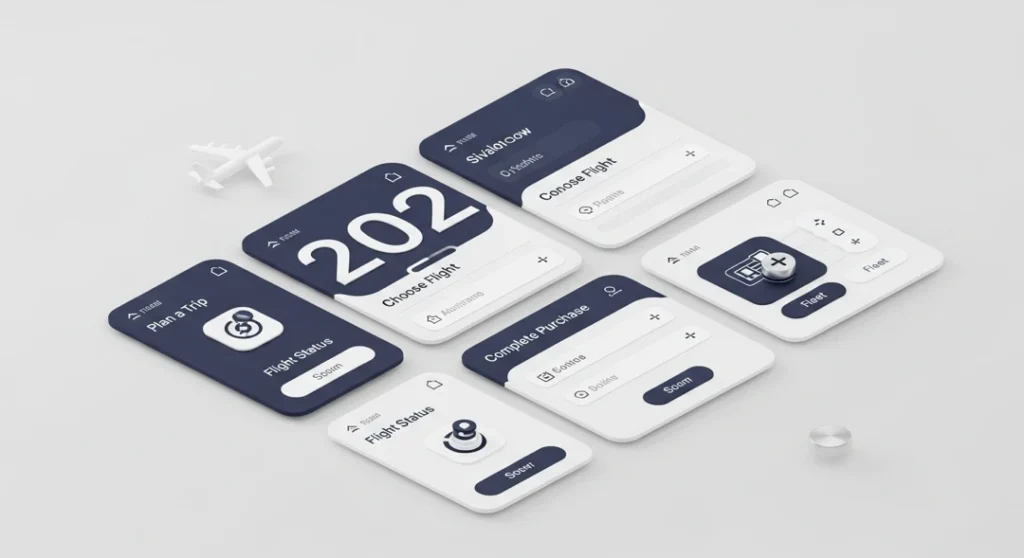
The biggest functional shift will be in booking flows. Aviation brands will reduce the number of steps required to complete a trip purchase. Instead of multi-step processes, travelers will see compact flows built around two or three core actions. Some airlines will experiment with single-screen search and checkout tools that combine results, seat selection, baggage options, and total cost.
Navigation structures will also shrink. Long menu trees will give way to a small set of clear choices such as: Plan a trip, Manage booking, Flight status, and Fleet. These changes will help users move through sites without friction, cut decision fatigue, and support mobile-first behavior.
Interactive Visuals Will Support Decisions Instead of Decoration
Visual design in aviation will move from stylistic elements toward functional clarity. Large animations and promotional videos will continue to disappear. In their place, brands will adopt lean interactive tools that help travelers make informed decisions.
Examples include:
- Interactive cabin diagrams that show seat types, spacing, and amenities
- Route maps with live schedule information
- Lightweight animations that guide users through steps
- Service comparison panels for different fare classes
For a private jet sector example aligned with these trends, see this breakdown of premium website requirements: What a Luxury Private Jet Charter Website Should Include in 2026 .
Accessibility Will Shape Design From the Ground Up
Accessibility will shift from a compliance item to a core design driver. Aviation sites will adopt clearer spacing, larger default text, improved contrast, and simplified layouts. Support tools such as reduced-motion switches and adjustable text sizes will be placed in obvious locations instead of hidden inside settings menus.
This shift reflects long-term user data. According to research, 76% of airline websites do not meet accessibility guidelines , which indicates a wide gap between user needs and current site standards.
Data-Driven Trust Signals Will Become Standard
Trust-building will rely increasingly on real information instead of generic statements. In 2026 aviation brands will highlight:
- On-time performance summaries
- Route reliability indicators
- Upfront fee breakdowns
- Real-time status blocks on key pages
These additions will give travelers a clearer sense of what to expect before booking. They will also reduce confusion that often comes from hidden costs or inconsistent updates.
Rising Expectations Around Mobile Performance
Mobile use will continue growing across both commercial and private aviation. Travelers increasingly make purchase decisions on phones while comparing flights, tracking delays, or checking baggage requirements. As a result, aviation brands will be forced to prioritise mobile-first interfaces with fast response times, improved tap areas, and layouts that scale cleanly on small screens.
Recent industry data supports this shift. Research shows that 38% of users abandon a site if the layout is unattractive or difficult to use , and mobile visitors abandon pages faster than desktop users when performance drops.
Personalised Content Will Expand in Subtle Ways
In 2026 aviation websites will expand personalised elements, but not in intrusive ways. Instead of aggressive login-driven experiences, personalization will focus on:
- Remembered recent searches
- Region or airport-specific suggestions
- Light conditional messaging based on device type or location
Brands will avoid heavy-handed targeting and instead apply practical personalization that reduces repetitive tasks for returning users.
Stronger Integration Between Websites and Mobile Apps
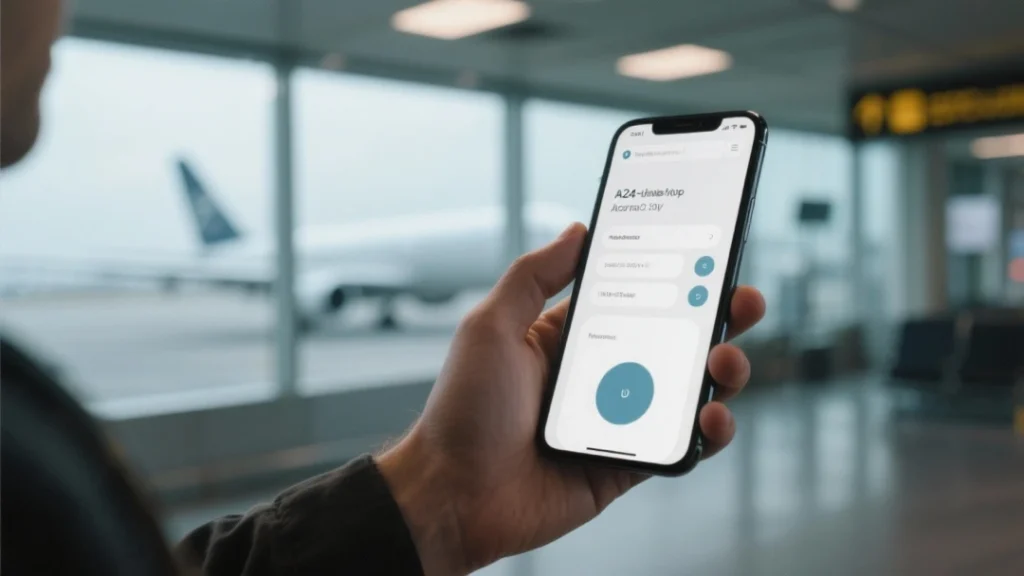
Although apps remain popular for frequent flyers, aviation websites will improve integration between web and app experiences. Pages will include clearer “handoff” options that let users continue actions inside apps without losing progress. Flight status tracking, push-enabled delay alerts, and stored trip details will sync more reliably.
This hybrid approach will help travelers bounce between channels without confusion, which will increase conversions and reduce support requests.
What the 2026 Aviation Design Landscape Will Look Like
The aviation digital space will see clear movement toward simplified structures, faster interfaces, and data-driven communication. Websites will act more like service platforms than marketing showcases. Booking paths will grow shorter. Visuals will serve as decision tools rather than decorative elements. Accessibility will become standard. Operational data will appear openly on key pages. Personalisation will help users without overwhelming them.
Brands that adopt these patterns early will set the pace for the wider sector. As travelers become more comfortable with faster, cleaner digital experiences, aviation brands will compete on usability as much as pricing or route availability.
By the end of 2026, the typical aviation website will be faster, clearer, and more aligned with how real travelers evaluate, plan, and book trips.