
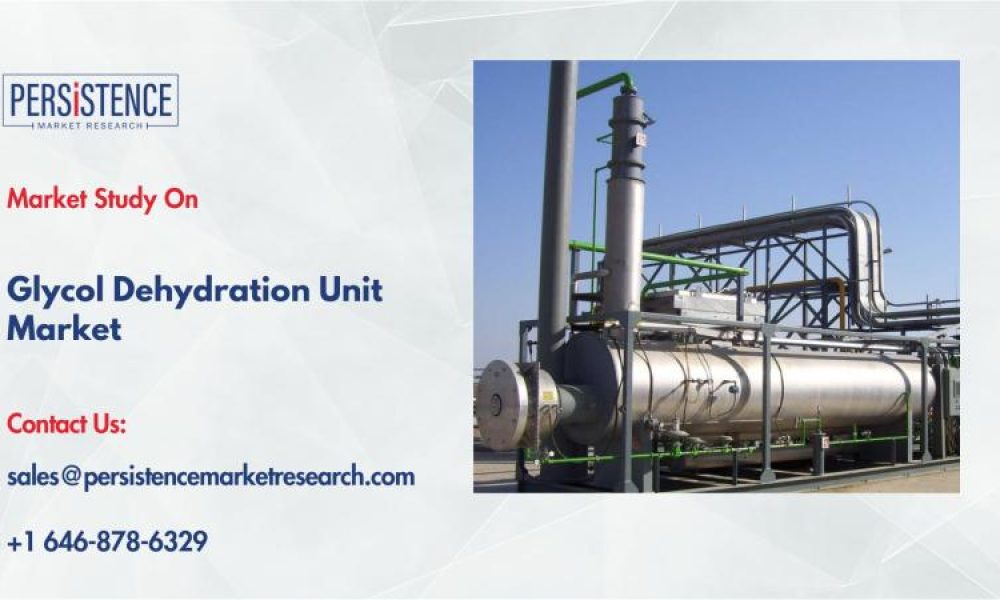
The glycol dehydration unit market is an essential segment of the natural gas processing industry. These units play a critical role in the removal of water from natural gas to prevent pipeline corrosion and ensure efficient transportation and storage. This significant market expansion is primarily driven by the increasing demand for natural gas across various industries, particularly in regions focused on clean energy and environmental sustainability.
Key growth drivers include the ongoing shift from oil to natural gas in multiple industrial sectors, driven by gas’s cleaner environmental profile. The rising investments in natural gas production facilities, particularly in the Middle East, Africa, and North America, are expected to fuel the demand for glycol dehydration units. The market’s leading segment is dominated by triethylene glycol, owing to its efficiency in dehydration processes and relatively low operational costs. North America, particularly the U.S., continues to lead the global market in both market volume and value due to its extensive natural gas infrastructure and investments in energy facilities.
Get a Sample PDF Brochure of the Report (Use Corporate Email ID for a Quick Response): https://www.persistencemarketresearch.com/samples/28405
Key Highlights from the Glycol Dehydration Unit Market Report
• The triethylene glycol segment is forecasted to dominate the market due to its low vapor losses and regeneration efficiency.
• North America remains the leading region, driven by substantial investments in natural gas facilities.
• Middle East and Africa are projected to witness significant market growth due to rising natural gas processing projects.
• Manufacturers are focusing on customized glycol dehydration units to cater to a wider customer base.
• Ongoing supply contracts and acquisitions are expected to shape the competitive landscape of the market.
Market Segmentation
The glycol dehydration unit market can be segmented into various categories based on glycol type, end-users, and geographical regions. One of the primary segments is based on glycol type, which includes ethylene glycol, diethylene glycol, triethylene glycol, and tetraethylene glycol. Among these, triethylene glycol is expected to dominate due to its superior properties such as lower vapor pressure and ease of regeneration. This makes it the preferred choice for natural gas dehydration in both large-scale and small-scale operations.
Another key segmentation aspect is the end-user industry, which includes natural gas processing, petrochemical industries, and other energy sectors. The natural gas processing industry is the largest consumer of glycol dehydration units due to the increasing demand for natural gas, both as an energy source and for chemical production. The rising need for gas purification technologies and the installation of new gas processing facilities globally are expected to further fuel the growth of this segment.
Regional Insights
In terms of regional trends, North America continues to be a dominant player in the glycol dehydration unit market. The U.S. is home to a large number of natural gas processing facilities, and with continuous investments in the sector, the demand for dehydration technologies is expected to remain strong. This region also benefits from advanced technologies, making it an attractive market for glycol dehydration unit manufacturers.
The Middle East and Africa region is expected to experience significant growth in the glycol dehydration unit market over the forecast period. Countries like Egypt, Nigeria, and Saudi Arabia are heavily investing in natural gas infrastructure to meet both domestic energy demands and export requirements. The increasing natural gas processing activities in these regions will propel the demand for glycol dehydration units, making them key growth drivers in the global market.
Market Drivers
Several factors are contributing to the growth of the glycol dehydration unit market. First, the growing demand for natural gas as a cleaner alternative to oil in energy production and transportation is a major market driver. With governments and industries worldwide pushing for a shift towards sustainable energy sources, the demand for efficient gas processing solutions is increasing.
Another important driver is the continuous advancements in gas processing technologies. The need for more efficient, cost-effective, and environmentally friendly dehydration processes is pushing companies to innovate and develop high-performance glycol dehydration units. Additionally, the expansion of natural gas production facilities in emerging economies is creating new growth opportunities for glycol dehydration unit manufacturers.
Market Restraints
Despite the promising growth trajectory, there are some challenges that could impact the market for glycol dehydration units. The high initial investment required for the installation of these systems could be a limiting factor for smaller operators and emerging markets. Additionally, the maintenance and operational costs of glycol dehydration units can be substantial, which may deter some companies from adopting them.
Moreover, the market faces stiff competition from alternative dehydration technologies, such as molecular sieve dehydration, which could pose a threat to glycol dehydration units. These alternatives offer similar benefits in gas processing but with potentially lower operational costs and longer service lives, making them appealing to some companies.
Request for Customization: https://www.persistencemarketresearch.com/request-customization/28405
Market Opportunities
The glycol dehydration unit market offers several opportunities for growth and expansion. One of the most significant opportunities lies in the increasing investment in natural gas infrastructure, especially in emerging markets. As more countries invest in natural gas processing facilities to meet growing energy demands, the need for efficient dehydration technologies will continue to rise.
Furthermore, manufacturers are focusing on the development of customized glycol dehydration units to cater to specific needs in different industries. This customization trend opens up new market avenues, especially for companies looking to serve niche applications in remote or high-demand regions. The adoption of green technologies and environmental sustainability initiatives also presents an opportunity for glycol dehydration unit manufacturers to align with global trends in energy conservation.
Reasons to Buy the Report
✔ Comprehensive analysis of market trends and projections for the next decade.
✔ In-depth insights into the competitive landscape and key market players.
✔ Detailed segmentation based on glycol type, end-users, and geography.
✔ Examination of the growth drivers, restraints, and opportunities in the market.
✔ Valuable insights into regional trends and forecasts for emerging markets.
Company Insights
The glycol dehydration unit market is home to several prominent players who contribute significantly to market developments and innovations. Key players in the global market include:
• Exterran Corporation
• Schlumberger Limited
• Enerflex Ltd.
• Pietro Fiorentini S.p.a.
• Frames Group
• KW International
• Axens
• Propak Systems Ltd.
Recent Developments in the Market
1. Chevron Nigeria Ltd. awarded a contract to Frames Group to supply glycol dehydration units for their natural gas processing facility in Nigeria in April 2017.
2. Petrobras signed a contract worth US$ 587 million in March 2018 to build a natural gas processing unit in Rio de Janeiro, further fueling the demand for glycol dehydration units.
Conclusion
The glycol dehydration unit market is experiencing robust growth driven by the increasing global demand for natural gas, particularly in energy and industrial sectors. North America and the Middle East & Africa are poised to be key regions in the growth of this market. With advancements in gas processing technologies and continued investments in natural gas infrastructure, the glycol dehydration unit market is expected to thrive well into the next decade.




