
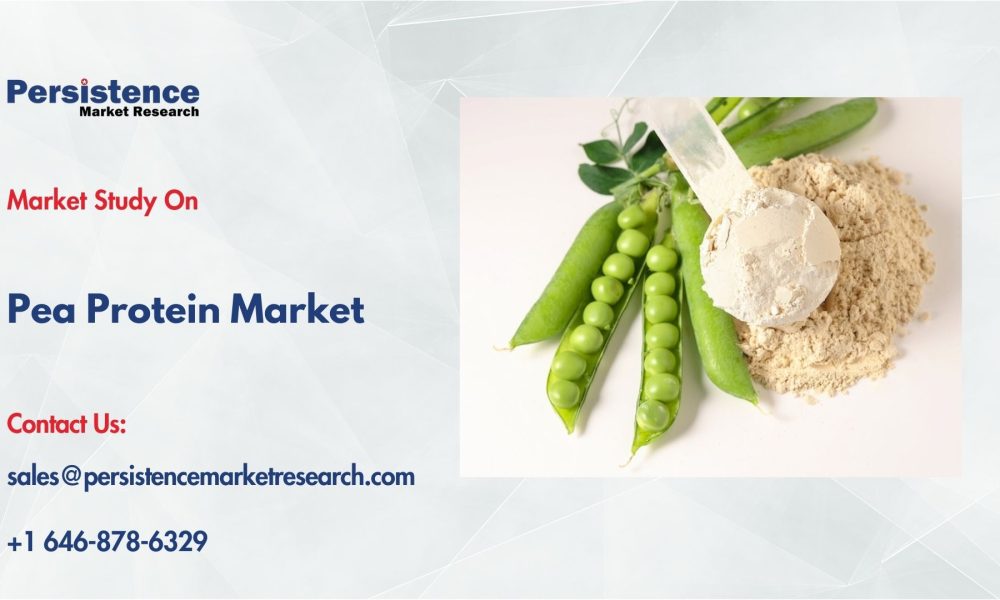
The global pea protein market is witnessing significant momentum as consumer preferences shift toward plant-based and sustainable dietary choices. Valued at US$2,359.4 million in 2025, the market is projected to reach US$4,199.6 million by 2032, expanding at a CAGR of 8.6% during the forecast period (2025–2032). This growth trajectory is supported by the rising popularity of vegan and vegetarian diets, the demand for allergen-free protein alternatives, and increased awareness of the health benefits associated with plant-based proteins.
Pea protein, derived primarily from yellow peas, has emerged as a versatile ingredient suitable for use in dietary supplements, meat substitutes, bakery products, beverages, and sports nutrition. With its high digestibility, amino acid profile, and functional characteristics, pea protein has become a preferred choice across industries ranging from food and beverage to nutraceuticals and animal feed.
Market expansion is further fueled by consumer demand for clean-label and non-GMO products, a shift toward environmentally sustainable protein sources, and the surge in functional food innovations. Additionally, increased health consciousness post-pandemic has encouraged individuals to incorporate plant proteins into daily nutrition, offering immense opportunities for pea protein manufacturers.
What is driving the demand for pea protein worldwide?
The global demand for pea protein is primarily driven by the growing popularity of plant-based diets and rising awareness about food allergies and intolerances. Unlike soy or dairy proteins, pea protein is free from allergens such as gluten, lactose, and soy, making it suitable for a wide range of consumers. Furthermore, sustainability concerns linked to meat production have accelerated consumer interest in pea protein as an eco-friendly alternative. This aligns with government initiatives and industry regulations promoting sustainable agriculture and food systems, further bolstering market growth.
Receive Sample of Research Report @ https://www.persistencemarketresearch.com/samples/29284
Segmentation Analysis
By Type
The pea protein market is segmented into isolates, concentrates, and textured pea protein. Among these, pea protein isolates dominate the market, attributed to their high protein content (typically above 80%) and wide application in sports nutrition, functional foods, and dietary supplements. Isolates are especially popular among health-conscious consumers and athletes seeking clean, high-quality protein. Meanwhile, textured pea protein is witnessing the fastest growth due to its increasing use in plant-based meat alternatives. Its fibrous structure mimics the texture of animal meat, making it a critical ingredient for companies developing plant-based burgers, sausages, and nuggets.
By Product/Application Type
Applications of pea protein span across food and beverages, dietary supplements, animal feed, and personal care. The food and beverage segment currently holds the largest share, driven by strong adoption in dairy alternatives such as pea-based milk, yogurts, and cheese. The segment also benefits from the booming plant-based meat industry, where pea protein is widely recognized for its ability to replicate taste and texture. On the other hand, the nutraceutical and supplement segment is poised for substantial growth, supported by fitness and wellness trends that emphasize protein-rich diets.
By Propulsion/Technology/Channel
In terms of distribution channels, both online and offline sales contribute significantly. Online platforms are gaining traction at a faster pace, reflecting the surge in e-commerce adoption and the convenience of accessing a wide range of plant-based protein products globally. Offline sales, particularly through supermarkets and health stores, continue to dominate due to strong consumer trust in physical retail outlets.
Regional Insights
North America leads the global pea protein market, supported by robust consumer demand for plant-based alternatives, high awareness about food allergies, and a strong presence of leading manufacturers. The United States remains a major contributor, with increasing investments in food technology and sustainable protein sources. Europe follows closely, driven by stringent regulations promoting sustainable diets and the rapid growth of vegan and vegetarian populations in countries like Germany, the UK, and France.
The Asia Pacific region is projected to be the fastest-growing market during the forecast period. Rising disposable incomes, shifting dietary habits, and an expanding middle-class population are key factors fueling demand. In addition, increased adoption of Western dietary patterns and government-backed initiatives to reduce environmental footprints in agriculture are boosting the growth of plant-based protein consumption in countries like China, India, and Japan.
Do You Have Any Query or Specific Requirement? Request Customization of Report: https://www.persistencemarketresearch.com/request-customization/29284
The flexibility of pea protein as an ingredient makes it adaptable across a variety of product formulations, encouraging manufacturers to customize solutions tailored to specific applications. Customized product offerings are especially vital in regional markets where cultural dietary habits and regulatory frameworks vary significantly.
Unique Features and Innovations in the Market
The pea protein market is characterized by continuous innovation aimed at improving taste, texture, and functionality. Advanced processing technologies have enhanced solubility and sensory attributes, making pea protein more appealing in beverages and dairy alternatives. Moreover, the integration of cutting-edge technologies like artificial intelligence (AI) and Internet of Things (IoT) in food production and supply chain management has streamlined processes, reduced waste, and improved quality control. AI-driven R&D platforms are enabling companies to design innovative pea protein formulations that closely mimic the taste and texture of animal-derived products.
In addition, sustainable production practices are being adopted, such as water-efficient cultivation and low-emission processing technologies, to strengthen the eco-friendly positioning of pea protein in the global protein market.
Market Highlights
Key drivers behind the adoption of pea protein include the rising demand for allergen-free and plant-based protein, increasing focus on sustainability, and advancements in food innovation. Governments and health authorities are promoting plant-based diets as a means of reducing environmental impact, aligning with corporate sustainability goals. Additionally, cost-effectiveness in production and the growing availability of raw materials are creating favorable conditions for market expansion.
Key Players and Competitive Landscape
The global pea protein market is moderately consolidated, with several key players competing through product innovation, mergers and acquisitions, and geographical expansions. Major companies include:
- Roquette Frères: A global leader in pea protein, Roquette continues to expand its production facilities, notably in Europe and North America, to meet growing demand. The company focuses on research-driven innovations to improve taste and texture for food applications.
- Cargill Incorporated: Leveraging its vast supply chain and R&D capabilities, Cargill is actively investing in plant-based protein solutions, with pea protein forming a significant part of its alternative protein portfolio.
- Ingredion Incorporated: Known for its diverse ingredient solutions, Ingredion is emphasizing pea protein concentrates and isolates for functional food applications.
- Burcon NutraScience: Specializing in advanced plant protein technologies, Burcon NutraScience focuses on proprietary processes to enhance solubility and taste, supporting innovation in beverages and dairy alternatives.
- Emsland Group: With expertise in plant-based ingredients, the company is strengthening its foothold in pea protein markets, particularly in Europe, with sustainable and non-GMO product lines.
Strategically, these players are focusing on scaling up production capacities, forming strategic alliances, and investing in advanced processing technologies to address surging consumer demand worldwide.
Outlook
The outlook for the global pea protein market remains highly positive, with robust growth anticipated across multiple regions. As consumer demand for sustainable and allergen-free protein sources continues to rise, pea protein is expected to solidify its role as a mainstream protein option in global food systems. Future growth opportunities will be shaped by technological advancements in processing, regulatory support for plant-based diets, and continuous product innovations designed to improve sensory experience and nutritional value.
By 2032, the pea protein market is expected to witness broader applications beyond food and beverage, including pharmaceuticals, cosmetics, and advanced biomaterials, thereby expanding its scope and revenue potential. Companies that invest in R&D, embrace sustainable practices, and align with evolving consumer preferences are poised to capture significant market share.
Explore the Latest Trending Research Reports:




