
Introduction: The Rise of Advanced Surface Protection
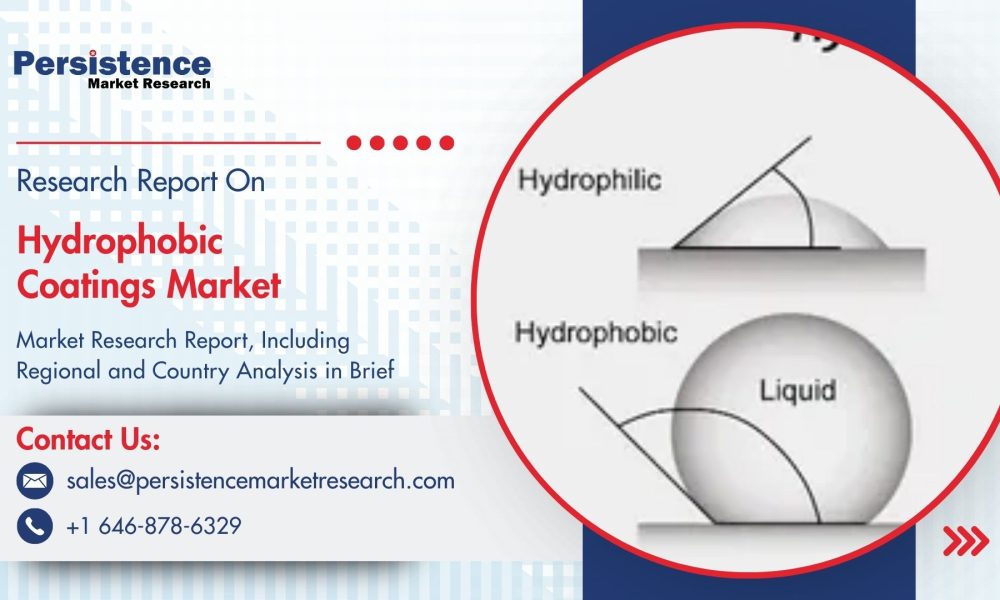
Hydrophobic coatings have emerged as a critical innovation in surface protection technologies, offering durability, water repellence, and enhanced material performance across industries. These coatings are designed to repel water, reduce surface contamination, and provide resistance to moisture, corrosion, and microbial growth. From automotive and aerospace to electronics, medical devices, and consumer goods, hydrophobic coatings are rapidly becoming indispensable. The growing emphasis on sustainability, maintenance cost reduction, and product longevity has further boosted the demand for these specialized coatings, making the global market a focal point for both manufacturers and end-users.
Market Overview: Current Status and Forecast
The global hydrophobic coatings market is experiencing robust growth, supported by increasing adoption across multiple sectors. According to a recent report by Persistence Market Research, the hydrophobic coatings market size is projected to reach US$ 2.9 billion in 2025. Furthermore, the market is expected to continue its upward trajectory, attaining a valuation of approximately US$ 4.2 billion by 2032. This represents a compound annual growth rate (CAGR) of 5.4% during the forecast period of 2025–2032. The steady rise in demand highlights the importance of these coatings in applications where durability, cleanliness, and water resistance are essential.
Get a Sample PDF Brochure of the Report (Use Corporate Email ID for a Quick Response): https://www.persistencemarketresearch.com/samples/16927
What Are the Key Applications of Hydrophobic Coatings?
Hydrophobic coatings have found applications in diverse industries due to their ability to prevent water, dirt, and stains from adhering to surfaces. In the automotive sector, they are used to protect car windshields, headlights, and exteriors, ensuring better visibility and reduced cleaning costs. The electronics industry relies on these coatings to safeguard smartphones, wearables, and sensors from moisture damage. In construction, hydrophobic coatings protect building materials, glass facades, and tiles from corrosion and weathering. Meanwhile, healthcare and medical devices benefit from coatings that prevent microbial growth and enhance the functionality of surgical instruments. Aerospace, textiles, and energy sectors are also increasingly adopting these solutions to improve performance and reduce maintenance costs.
What industries are driving the demand for hydrophobic coatings?
The demand for hydrophobic coatings is being driven by industries that prioritize durability, moisture protection, and enhanced performance. Automotive companies use these coatings to improve visibility and extend vehicle life, while electronics manufacturers apply them to prevent water damage in smartphones, laptops, and wearable devices. Construction firms rely on hydrophobic coatings to protect buildings and infrastructure from rain and humidity, ensuring longevity. In healthcare, coatings are used for medical devices and implants to minimize bacterial adhesion. Aerospace, textiles, and energy sectors also contribute significantly to market growth, reflecting the broad applicability and rising demand across global industries.
Growth Drivers: Why the Market is Expanding
Several factors are fueling the expansion of the hydrophobic coatings market. One of the most influential drivers is the increasing demand for consumer electronics that are water- and dust-resistant. The trend toward waterproof smartphones, smartwatches, and fitness trackers is pushing manufacturers to incorporate advanced protective coatings.
Another key factor is the surge in infrastructure and construction activities worldwide. With urbanization accelerating, the need for durable building materials that withstand harsh climates has increased significantly. Hydrophobic coatings extend the life of surfaces and reduce maintenance costs, making them attractive for large-scale infrastructure projects.
Environmental concerns are also playing a role. Many industries are seeking eco-friendly solutions that reduce chemical cleaning and extend product life cycles. Hydrophobic coatings help reduce energy and water consumption in cleaning processes, aligning with global sustainability goals.
Technological Innovations in Hydrophobic Coatings
The hydrophobic coatings industry is experiencing continuous innovation. Nanotechnology has emerged as a game-changer, enabling coatings with superior water-repellent properties and self-cleaning functionalities. These nanocoatings can form invisible, ultra-thin protective layers that enhance performance without altering surface appearance.
Additionally, hybrid coatings that combine hydrophobic and oleophobic properties are being developed. These provide not only water resistance but also protection against oils, grease, and other contaminants. Such innovations are particularly valuable in electronics, food packaging, and healthcare sectors, where multiple protective features are needed simultaneously.
Regional Insights: Market Distribution Across the Globe
The hydrophobic coatings market shows strong regional variations. North America holds a significant share due to advanced research capabilities, widespread use in automotive and electronics industries, and consumer demand for premium, durable products. Europe is another key region, driven by stringent regulations on product safety and environmental performance, as well as high adoption in automotive, aerospace, and construction.
In Asia Pacific, rapid industrialization, urban development, and rising disposable incomes are fueling demand. Countries like China, India, Japan, and South Korea are experiencing growing adoption of hydrophobic coatings across electronics, automotive, and construction sectors. Meanwhile, Middle East and Africa are emerging markets where rising infrastructure investments and harsh climatic conditions make hydrophobic coatings highly desirable.
Challenges Facing the Market
Despite its strong growth potential, the hydrophobic coatings market faces some challenges. High production and application costs remain a barrier, particularly for small and medium enterprises. The complexity of applying nanotechnology-based coatings also requires specialized expertise and equipment.
Another challenge lies in durability. While coatings provide excellent water repellence initially, maintaining their effectiveness over time in harsh environmental conditions can be difficult. Research is ongoing to improve long-term stability and reduce reapplication requirements.
Additionally, regulatory scrutiny over nanomaterials and environmental impacts poses potential hurdles. Manufacturers must balance innovation with compliance, ensuring that new formulations meet safety standards without compromising performance.
Future Outlook: Opportunities Ahead
The outlook for the hydrophobic coatings market remains highly positive. As industries continue to prioritize durability, sustainability, and efficiency, the adoption of these coatings is expected to rise steadily. Opportunities exist in emerging areas such as renewable energy, where hydrophobic coatings can enhance the efficiency of solar panels and wind turbines by reducing dirt and moisture buildup.
The continued integration of nanotechnology and smart materials will further expand the scope of applications, opening new avenues in healthcare, defense, and consumer goods. Strategic collaborations between manufacturers, research institutes, and end-users will be essential in driving innovation and overcoming current challenges.
Conclusion: A Market Positioned for Steady Growth
The hydrophobic coatings market is on a steady upward trajectory, fueled by technological advancements, diverse industrial applications, and growing emphasis on sustainability. With the market expected to grow from US$ 2.9 billion in 2025 to US$ 4.2 billion by 2032 at a CAGR of 5.4%, it represents a compelling opportunity for manufacturers and investors alike. While challenges such as high costs and durability persist, continuous innovation and expanding applications will ensure that hydrophobic coatings remain a critical component of future surface protection technologies. This market’s growth reflects not only industrial needs but also the broader global movement toward durability, efficiency, and environmental responsibility.
Explore the Latest Trending Research Reports:




