
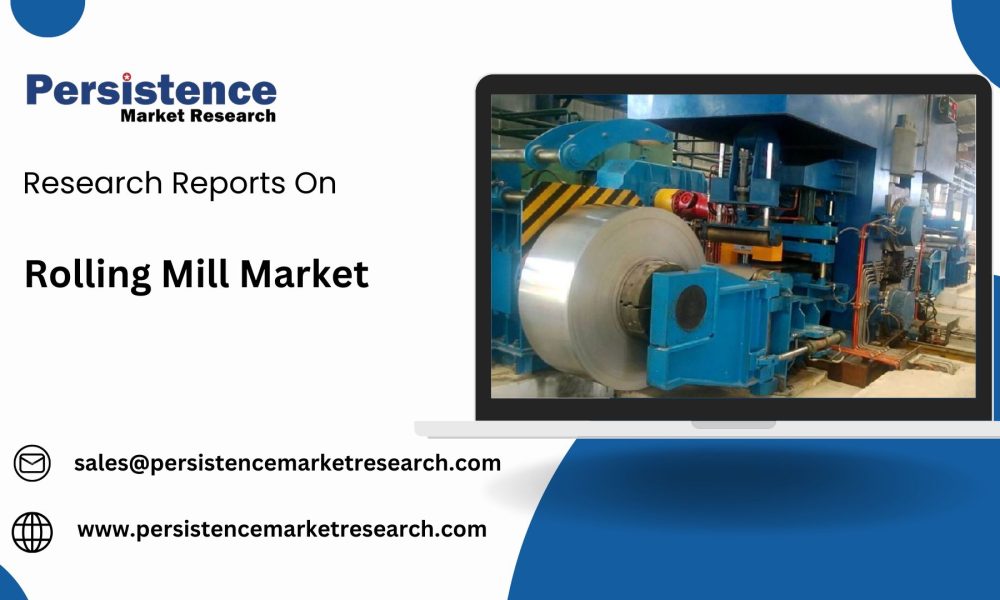
The global rolling mill market is steadily gaining momentum, reflecting the growing demand for steel and the increasing adoption of advanced metal forming technologies. Valued at an estimated US$ 19.3 billion in 2025, the market is projected to expand to US$ 26.1 billion by 2032, registering a compound annual growth rate (CAGR) of 4.4% during the forecast period from 2025 to 2032. This growth trajectory underscores the critical role that rolling mills play in shaping industries ranging from construction and automotive to energy and infrastructure.
The expansion of the rolling mill market is fueled by multiple factors, including rapid urbanization, industrialization, and technological advancements that enhance efficiency and sustainability in steel production. Let’s delve deeper into the market dynamics, trends, and regional insights shaping the rolling mill industry.
Understanding Rolling Mills and Their Significance
A rolling mill is a specialized machine used to shape metal by passing it through one or more pairs of rolls. These mills are critical in transforming raw metal into usable sheets, bars, rods, and tubes. Rolling mills are categorized into several types, including hot rolling mills, cold rolling mills, flat product rolling mills, long product rolling mills, and tubular rolling mills.
Among these, hot rolling mills dominate the market, accounting for roughly 47.3% of total market share in 2025. Hot rolling processes are essential for large-scale metal forming due to their ability to handle high volumes efficiently, making them indispensable in modern industrial production.
Market Drivers: Why Rolling Mills Are in High Demand
- Surging Global Steel Demand
Steel remains one of the world’s most essential construction and manufacturing materials. With the rise in infrastructure projects, urban development, and industrial expansion, the demand for steel continues to climb. Rolling mills are at the heart of this growth, providing efficient processing of steel into usable forms. - Rapid Infrastructure Development
Countries worldwide are investing heavily in infrastructure projects, including bridges, highways, railways, and urban housing. These projects require large volumes of steel, directly boosting the demand for rolling mill equipment capable of delivering high-quality metal products at scale. - Adoption of Advanced Technologies
The integration of automation, IoT-enabled machinery, and precision engineering in rolling mills is revolutionizing production efficiency. These advancements reduce operational downtime, improve metal quality, and allow real-time monitoring of the production process. Manufacturers are increasingly adopting smart rolling mill systems to stay competitive in a rapidly evolving industrial landscape. - Sustainability and Energy Efficiency
Environmental regulations and the growing emphasis on sustainability are driving innovation in rolling mill operations. Modern mills are increasingly energy-efficient, reducing emissions and minimizing waste. Companies adopting green technologies not only comply with regulations but also achieve cost savings, giving them a competitive edge.
Elevate your business strategy with comprehensive market data. Request a sample report now: https://www.persistencemarketresearch.com/samples/30431
Segment Analysis: Types and End-User Applications
By Type:
- Hot Rolling Mills: Dominant with 47.3% market share due to their critical role in high-volume steel processing.
- Cold Rolling Mills: Known for producing high-precision sheets and strips, particularly for automotive and electronics applications.
- Flat, Long, and Tubular Products: Each segment is experiencing steady growth, driven by demand in construction, automotive, energy, and industrial machinery sectors.
By End-User:
- Construction: Leading end-user segment with 32.5% market share, reflecting the global boom in infrastructure projects.
- Automotive and Transportation: Growing demand for lightweight, high-strength steel components supports rolling mill expansion.
- Industrial Machinery and Energy: Increasing manufacturing activity and energy sector investments are propelling demand for specialized steel products.
Regional Insights: Who’s Leading the Market?
Asia Pacific:
This region is the dominant market, accounting for 39.5% of global rolling mill market share in 2025. China and India, in particular, are experiencing rapid industrialization, extensive steel production, and expanding manufacturing capabilities. The rising need for infrastructure development and industrial output in these countries is a key driver for rolling mill adoption.
North America:
North America is the fastest-growing region, supported by advanced manufacturing infrastructure, high industrial output, and strong adoption of innovative technologies. The U.S., Canada, and Mexico are investing in modern rolling mill facilities to enhance production efficiency and meet the rising demand for high-quality steel products.
Europe:
Europe maintains a steady growth rate, driven by automotive manufacturing, industrial machinery production, and construction projects in urban centers. Countries like Germany and Italy are investing in technologically advanced rolling mills to stay competitive in the global steel market.
Rest of the World:
The Middle East, Africa, and South America are gradually adopting rolling mill technologies, focusing on infrastructure expansion and energy projects. This creates opportunities for both domestic and international manufacturers to expand their market footprint.
Technological Advancements Driving Growth
Automation and Robotics:
The integration of automated systems in rolling mills enhances operational efficiency, reduces manual intervention, and minimizes human error. Robotics streamline the handling of heavy materials, allowing faster production cycles.
Digitalization and Smart Factories:
IoT-enabled rolling mills provide real-time monitoring, predictive maintenance, and data analytics, enabling manufacturers to optimize performance, reduce downtime, and increase output quality.
Energy-Efficient Solutions:
Advanced rolling mills utilize energy-saving technologies such as regenerative drives and optimized rolling processes to minimize power consumption, contributing to sustainability goals while reducing operational costs.
High-Precision Rolling:
Modern mills are capable of producing high-precision metal sheets, bars, and tubes required in automotive, aerospace, and electronics applications, enhancing market demand for technologically advanced equipment.
Market Challenges
Despite steady growth, the rolling mill market faces challenges such as:
- High Initial Investment Costs: Rolling mills, especially automated and energy-efficient systems, require significant capital investment.
- Raw Material Price Volatility: Fluctuations in steel and metal prices impact production costs and profitability.
- Environmental Regulations: Stringent regulations on emissions and waste management necessitate continuous upgrades and technology adoption.
However, these challenges are being addressed through technological innovation, government incentives for modernization, and industry collaboration to enhance sustainability.
Future Outlook
The global rolling mill market is expected to maintain a CAGR of 4.4% from 2025 to 2032, indicating steady and consistent growth. The convergence of rising steel demand, technological advancements, and infrastructure expansion will continue to drive the market forward.
Key trends shaping the future include:
- Increased Adoption of Smart Rolling Mills: Digitalization and automation will redefine production efficiency.
- Focus on Green Technologies: Energy-efficient and sustainable operations will gain prominence.
- Expansion in Emerging Markets: Developing countries in Asia, Africa, and South America present new growth opportunities.
Manufacturers that invest in advanced technologies and sustainable practices are poised to lead the market, catering to the evolving needs of construction, automotive, and industrial sectors worldwide.
Conclusion
The rolling mill market is rolling ahead with strong growth potential, driven by surging steel demand, technological innovation, and rapid infrastructure development. With Asia Pacific as the dominant market and North America emerging as the fastest-growing region, the industry is witnessing a transformative phase that balances efficiency, sustainability, and scalability.
As hot rolling mills continue to dominate production and construction remains the leading end-user, companies investing in smart, energy-efficient, and technologically advanced rolling mills will secure a competitive advantage. By 2032, the global rolling mill market is expected to reach US$ 26.1 billion, reflecting the indispensable role of rolling mills in supporting global industrialization and shaping the future of steel production.
Related Reports:




