
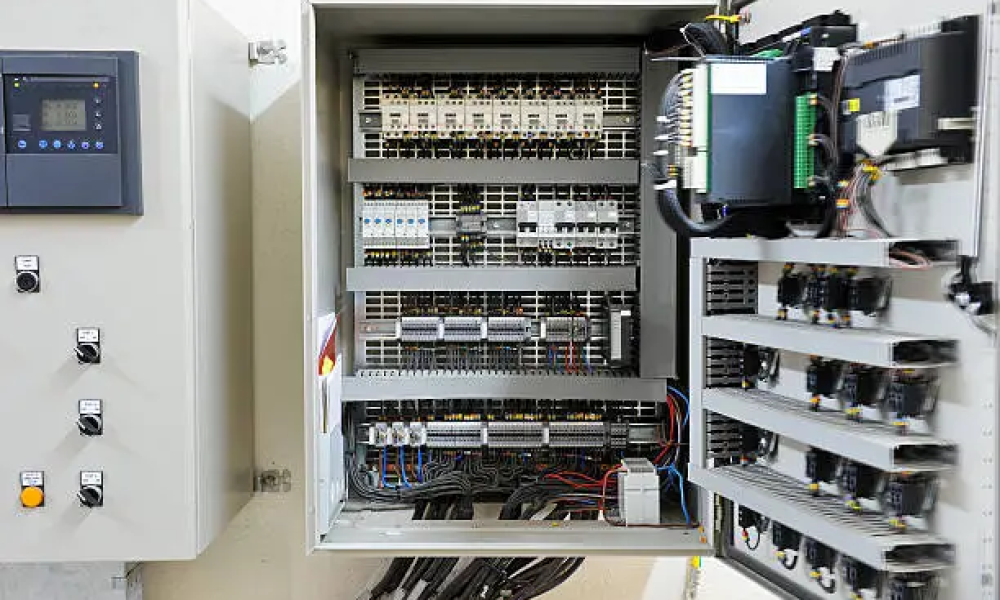
Factories and process plants are swapping paperwork for screens faster than many folks expected. Even a minor power hiccup now sends a ripple through PLCs, sensors, and every relay sitting on the automation bus. That sudden need for rock-solid juice is why engineers lean hard on switching power supplies. Go ahead and scout a vendor, but remember that supplier choice isn’t a box-ticking chore; it’s a strike that can swing your budget, uptime, and system lifespan in one stroke. Serious buyers want more than a catalog; they want a partner that knows grit, sparks, and the unblinking deadline of industry. This post walks through the tell-tale signs and hard numbers that distinguish top-tier industrial-automation-product houses from the crowd.
Why Industrial Automation Relies on Switching Power Supplies
Switching power supplies are the unsung workhorses of factory floors. They chop DC voltage at high frequencies, wasting very little energy and giving off barely any heat. Because of that, you’ll find them jammed into tight electrical panels that won’t survive the roar of a steel mill.
Look around an assembly line and you’ll probably spot one driving a PLC, firing sensors and actuators, or keeping an HMI alive when everything else flickers. The same unit often steps in as a safety net during nasty voltage dips, so fragile gear stays awake. Over time, that reliability saves manufacturers from messy outages and the bills that follow.
Picking the Right Switching Power-Supply Supplier
Price tags matter, sure, but money alone won’t keep a factory running. The supplier has to speak the language of welders, lab techs, and maintenance crews, often inside the same phone call. When something goes sideways, live advice in plain English beats a neat warranty every time.
- Certifications and Compliance
Before anything else, check the stickers. A trustworthy switching-power-supply maker will plaster CE, RoHS, UL, and maybe even ISO logos on the case. Those stamps tell customs and safety inspectors that you’re already in the clear.
- Product Range and Specialization
General electronics houses often carry one or two models and call it a day. A shop that really knows industrial gear shelves everything from 5V DC to chunky 400V inputs and offers DIN rail, panel-mount, and brick styles. That breadth means your next project won’t force you to start the supplier hunt all over again.
- Customization and OEM Options
An assembly line running in a blast furnace may need a power supply that laughs at 70-degrees-plus heat. Some builders customize the voltage, add surge clamping, or integrate redundancy circuits. If your vendor says, Sure, we can do OEM, you save headaches down the road.
- After-Sales Support
Fresh gear can still go sideways, so manuals, schematics, and a live help desk matter. Look for a warranty that covers more than a flimsy sheet of paper, plus a promise to fix or swap the box within days, not months. Solid post-sale backup feels a lot better than a sticker that says good luck.
- Lead Time and Logistics
A quick-quote spreadsheet means nothing if the dock is empty. Suppliers who keep pallets in-region or operate their own hubs can promise next-day shipping. When the rest of the plant is waiting, a few missing days can tank the whole schedule.
Finding the right industrial automation products suppliers is not just about price tags. Reliability, industry know-how, and customer backing usually tip the scale toward a trustworthy partner.
Matching Power Supplies to Your Control System
Once several candidates are on your short list, the next move is to study the technical specs on their web pages or brochures. The power feed going into your equipment must line up perfectly, or voltage misfires can waste energy, cook circuits, or merely stall the job.
Voltage and Amperage
Most factories live in the 12V, 24V, or 48V sandbox, so any supply you consider should hit those numbers exactly. The current rating matters too; pick a unit that out-runs your peak load by 20 percent at a minimum to dodge overheating headaches.
Efficiency Ratings
A sleek efficiency number-85 percent or higher-reshapes the monthly utility bill a little and the equipment room heats a lot. Power factor drifting above 0.9 smooths the overall electrical picture across the whole plant.
Ripple, Noise, and the Environment
When controls are twitchy, high ripple and audible noise can drop bits of data the way rough sidewalks jar coffee out of a cup. Lastly, if humidity dives past 90 percent or the thermostats swing from Arctic to desert, only a rugged, sealed supply will survive the tour.
Good switching power supply suppliers list every one of these details up front, sometimes even sketching a decision tree that leads the buyer to the best match for their real-world pounding.
Real-World Moments: Why Your Supplier Pick Sometimes Makes or Breaks You
Think about the times a quick choice on a supplier turned a near-miss into a win. Inside food plants, OEM shops, and even semiconductor bays, the right partner often quietly steals the show.
Food Plant Upgrade
One system integrator grabbed a cheap power supply that looked good on paper but lacked surge shielding. The control racks glitched almost daily until the crew yanked that box and called a vendor who builds rugged gear for the meat and dairy crowd. Downtime tumbled 85 percent almost overnight.
OEM Machinery Export
Across town, an OEM was racing to ship presses to Europe, North America, and the Gulf in the same week. Finding a single supplier with trifecta safety stamps and swap-out paperwork saved customs headaches that easily could have dragged for months. Speedy documents meant the cranes never stopped.
Semiconductor Clean Room
In a scrubbed wafer lab, robots need whisper-quiet power to keep laser eyes steady. The new vendor showed up with test sets, EMI blankets, and numbers proving the noise floor stayed inside the dashed line. Tool accuracy climbed, and nobody had to watch late-night spiral failures on the video wall.
Each time, the amperage in the box was only part of the story. The paperwork, the nerve-safety seals, even the aftermarket confidence wrapped around the shipment. All of that piled up to value that left every other inbox in the dust.
Partnering With the Right Supplier for Long-Term Success
Picking a solid power-supply partner is more than a purchase-click. It shapes how well your whole setup runs over the years. In fast-paced B2B spaces, getting it wrong can stall production lines, drop performance, or even put safety at risk.
Here is what top suppliers usually show off:
- Industry Expertise: They’ve already wired-up systems like yours and can share real-life stories, not just polished brochures.
- Inventory Stability: Warehouses stay full enough to ship bulk orders when your demand jumps.
- Technical Support: On-site engineers, not call-center reps, who grasp the quirks of your project.
- Lifecycle Support: Help from day one and the promise of quick replacements or upgrades when the original gear ages.
Stick with a partner like that and you’ll get early product alerts, quick training, and a roadmap for keeping your systems relevant.
Conclusion
Choosing a switching-power-supply supplier goes beyond check-marking the specs. It’s about lining up support that grows with you, whether you’re racing assembly robots or rolling out a city-wide control grid. The right source keeps the lights on and the project on track.
A go-to industrial-automation-products supplier does more than throw a price list your way. The right partner backs every actuator and sensor with real know-how, tailors orders to fit weird specs, handles the paperwork for FDA or UL clearances, and promises stock even when the port traffic is insane.
Hit pause before you click purchase on that new drive or control panel. Scan the supplier’s history and judge whether they’ll still be in your corner two years from now. Doing the homework now usually saves a rising headache later.




