
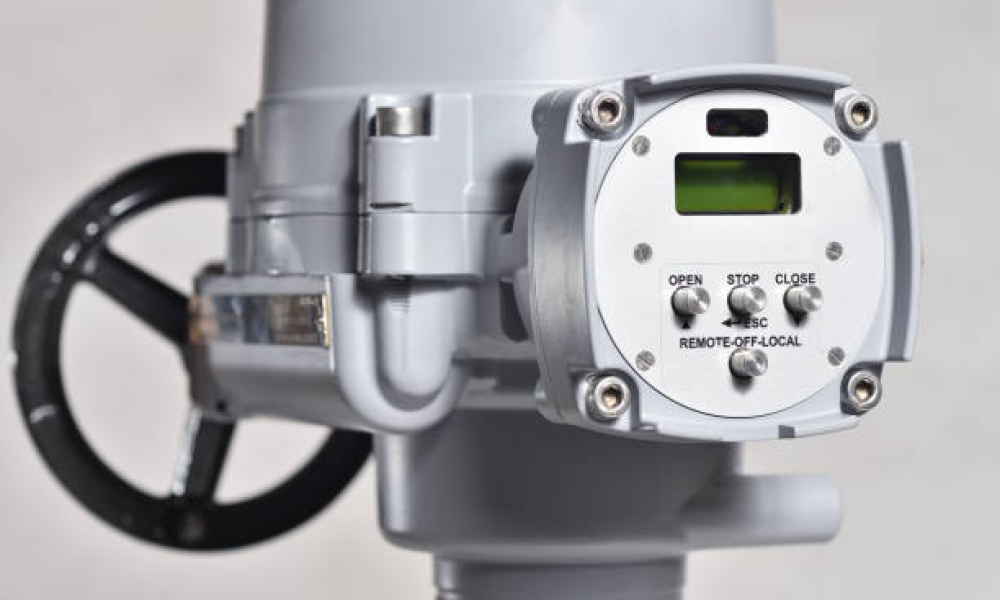
The automation used in industries is still advancing, requiring an increase in speed, response and predictability of the controls in the systems. The valve is one of the most important components in this change. Such flow control devices can be bypassed by various other options but pneumatic ball valves have stood out among the best in the fast acting automation systems. They are extremely fast to open and close, are able to withstand extreme conditions, and perform reliably, an attribute that makes them useful in the chemical processing industry, food and beverage, pharmaceuticals, and wastewater treatment. Whereas the motorized solutions on the market are highly popular regarding some applications, the pneumatic models are king when it comes to speed and safety-oriented cases. This article examines why pneumatic ball valves are the favorite in fast acting systems and how care should be taken to make them maximize performance and reliability particularly when using supplier expertise.
Rapidity and Accuracy in Action
Among the main advantages of pneumatic ball valves a quick actuation speed can be stated. Whereas an electric actuator, being reliant to motor-based mechanics, requires several seconds to cycle under normal circumstances, pneumatic actuators can open or close a valve faster in a fraction of the traditional time required by electric actuators, as high as one second. This makes them well-suited in instances of emergency shutoff or systems/application where there is a need to regulate flow with utmost rapidity. Pneumatic systems such as compressed air used to power pneumatic valves are very responsive to control commands, with valves responding very close to real time and making a precise repeatable motion. Such accuracy can be vital in batch processing, bottling or high frequency dosing operations. Although a motorized ball valve is a reliable choice of ball valve when steady but slower processes need to be controlled, pneumatic ball valves are the obvious choice when time is measured in milliseconds. They respond faster to the system, decreasing its lag, which may be a difference between safe operations and ruined equipment in sensitive industrial arrangements.
Durability and Suitability for Harsh Environments
Automation of industries does not always take place under ideal environments. Valves have to be regularly subjected to the environment of elevated pressures, high temperatures, corrosive liquids, and suspensions of solid material in liquids. Pneumatic ball valves are made of such strong materials as stainless steel or highly reinforced polymers and are less vulnerable to heating-related damages than their electric equivalents. They are also explosion-proof, waterproof, or dust-tight and therefore their actuators can be sealed to operate under either environment. Pneumatic actuation is safer and more compliant in most of the settings where high voltage might cause harm to people, such as refineries or chemical plants. Even though a motorized ball valve can be used in a versatile manner, a pneumatic modification has greater resilience to the most demanding industrial environments where reliability and uptime cannot be compromised. This durability guarantees economic savings in the long run as there will be reduced system maintenance and a low rate of system failure.
Complex Automation Networks Integration
The current transition of the modern factories to Industry 4.0 requires a smooth integration of all elements of a control system. Ball valves that have pneumatic functioning are suitable for this integration. They are easily engineered through solenoid control through PLCs (Programmable Logic Controllers), DCS (Distributed Control Systems), or through SCADA systems. They are compatible with common pneumatic accessories-such as positioners, limit switch or feedback sensors, which increases their access to communicate further with centralized monitoring. This enables operators to find the measured valve position, the number of cycle counts, and the status of the valves, which is vital in the predictive maintenance as well as optimization of the system. Although motorized ball valves can also be easily included into a digital system, the pneumatic valves are generally easier to wire, change and to troubleshoot. This ease of installation and repair features makes pneumatic valves go to the valve within large scale automatic systems where uptime is paramount, speed is important, and maintenance is a close second.
CCL Result of Cost-Effectiveness Over the Lifecycle
When considering valve options, it is the price up front that does not translate in selecting a plant or equipment. Long term costs are the costs of maintenance, energy savings and total cost of ownership that also comes into consideration. Pneumatic Pneumatic ball valves can be less expensive to buy than electric ones particularly where a central compressed air system already exists and there is no need to install a new source of electricity. Also, they are less complicated in terms of maintenance since the actuator mechanism has less moving parts. In high cycling frequency applications the pneumatic type tends to be more robust and energy efficient. During the actuation process, only air is consumed and thus the actuator will not always require power, as it happens in the case of electric actuators. Although a motorized ball valve can be better modulated, and in other cases can better fit in remote, or otherwise isolated points where compressed air is unavailable, pneumatic ball valves are optimal in high-demand centralized locations. They are a cost-effective long-term solution of many facilities; due to the couples of low energy consumption, less wear-and-tear and less human activity intervention.
Choosing the Right Supplier for Performance and Reliability
There is more behind choosing not only the proper pneumatic ball valve model, but as to selecting one out of a catalogue. Using a reputable valve manufacturer with experience on pneumatic ball valves will help you when deciding which pneumatic valve to use considering your flow rate, media, pressure, and environmental requirements. The most excellent suppliers provide technical advice, three-dimensional maps, data sheets reflecting the performance of the valve together with after-sales service so as to recommend how best to work with the valve during the life span cycle of the valve. In addition, an increasing number of the suppliers provide hybrid solutions and they also have profound knowledge about electric actuation technology. As an example, today the configuration support on pneumatic ball valve manufacturers also covers the motorized ball valve systems and allows the clients to evaluate what actuation technique to use due to this or that application with a higher efficiency. This combined expertise makes sure that the end users are not pegged upon a certain solution and they can in fact make a decision of a particular valve design that suits them best with recommendations that are specific to the requirements of their project.




