
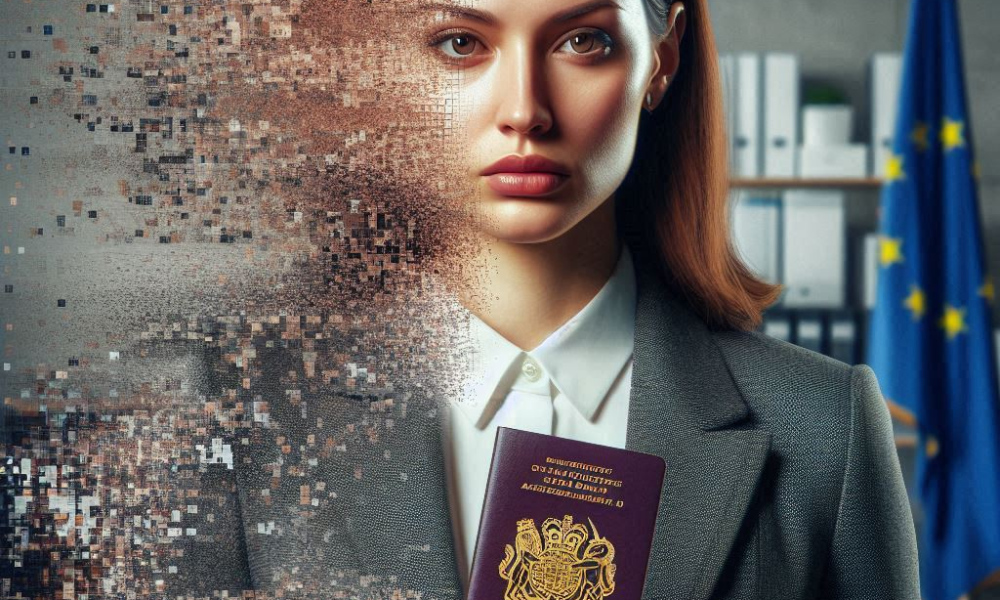
VANCOUVER, BC, August 6, 2025 — In today’s world of hyper-connected travel, where each airport scan, app login, and mobile ping adds to a growing web of traceable personal data, a growing segment of international travelers is fighting back—not through evasion, but through legal innovation. At the forefront of this transformation are privacy-preserving tools like burner phones, temporary SIM cards, and digital compartmentalization strategies designed for cross-border mobility. For the modern global nomad, these tools are not just conveniences; they are essential survival gear.
Amicus International Consulting, a global leader in legal identity transformation and privacy-first travel solutions, reports that clients are increasingly requesting fully legal, low-trace communication systems to protect themselves across jurisdictions. Burner phones and temporary SIMs—once the subject of spy novels and crime thrillers—are now standard in the travel kits of CEOs, whistleblowers, political dissidents, journalists, and privacy-conscious families.
Why Travel Privacy Has Become a Legal Necessity
The rise of border surveillance, mandatory SIM card registration laws, and predictive policing algorithms has radically changed the risks of international travel. Most countries now log mobile data, airport activity, and travel histories through a combination of government telecom requirements and private sector data sharing. Even if a traveler complies with the law, they often still find themselves swept into a broader system of automated identity tracking.
For some, this poses reputational risks. For others, it introduces safety concerns—especially for individuals with controversial political views, sensitive professional roles, or histories of stalking and harassment. In the past five years alone, Amicus has documented an increase in clients who have had their private travel patterns exposed through commercial data brokers, airport surveillance partnerships, or cross-border government cooperation agreements.
What Makes a Burner Phone ‘Burner’
A burner phone is defined not merely by its cost or brand, but by its detachment from the user’s legal identity. It is typically a low-cost, prepaid phone purchased without a long-term service contract. What makes it valuable for legal travel anonymity is that it can be acquired without presenting a passport, government-issued ID, or credit card—provided the purchase occurs in jurisdictions that permit anonymous sales.
The phone operates with a temporary SIM card that, when used legally, creates a separate layer of digital communication for the traveler. If the phone is lost or compromised, no sensitive data is exposed. It contains no permanent apps, no stored passwords, and no access to bank accounts or cloud-synced emails.
Legal Applications for Burner Phones in 2025
The legitimate uses of burner phones have grown significantly in recent years. Among Amicus clients, they are most commonly used for:
Secure business travel in jurisdictions with high rates of corporate espionage
Emergency communications in regions with unreliable local networks or political instability
Socially sensitive travel, such as attending LGBTQ+ rights conferences in countries with anti-LGBTQ laws
Compartmentalization of personal and professional identities during international relocation
Communication with legal counsel or consular officials without creating a lasting, traceable record
Burner phones also serve as backup systems when primary devices are confiscated, hacked, or denied at border security checkpoints—a concern that has become increasingly relevant in high-surveillance jurisdictions.
Temporary SIM Cards: The Legal Gateway to Anonymous Connectivity
Temporary SIM cards enhance the flexibility of burner phones by allowing for jurisdiction-specific usage. In jurisdictions where anonymous SIM acquisition is legal, travelers can simply walk into a kiosk, pay in cash, and activate service within minutes. These SIMs, when paired with a travel-dedicated device, reduce the risk of identity correlation via roaming logs, tower triangulation, and metadata matching.
However, travelers must do their due diligence. Countries like Australia, China, and most Gulf States now require biometric or passport-linked SIM registration. In contrast, Mexico, the U.K., and various Caribbean nations maintain more permissive regimes. Understanding these legal distinctions is critical to ensuring compliance and avoiding unintended legal exposure.
Case Study: The Remote Startup Founder
In 2024, a Berlin-based startup founder running an encrypted communication platform sought to meet potential investors in the Middle East. Concerned about being flagged for their association with privacy tech, the founder worked with Amicus to build a lawful, compartmentalized communication plan:
A burner phone purchased legally in Portugal
SIMs acquired in Jordan, UAE, and Turkey—each via proxies or through embassies when direct purchase wasn’t permitted
Communication apps such as Session and Briar, which function without phone numbers or centralized servers
No use of roaming services to prevent cross-border location tracking
The travel resulted in successful investor meetings without incident. More importantly, the founder’s legal identity remained separate from their travel logs and professional dealings in regions known for strict telecom surveillance.
Advanced Travel Tech: Going Beyond the Basic Burner
Today’s privacy tools go far beyond disposable phones. The ecosystem includes a wide range of travel-specific legal tech, such as:
Dual-SIM secure smartphones that isolate data streams for work and personal use
Operating systems like GrapheneOS and CalyxOS are built for privacy and hardware-level security
Remote-wipe tools and kill-switch devices that can turn off a phone’s functionality or erase its contents if compromised
International roaming eSIMs purchased via anonymous accounts or legal proxies
Faraday bags and offline signal blockers for airport and hotel transitions
Many Amicus clients use these tools not to hide from authorities, but to ensure that their devices and personal information remain intact, unmonitored, and legally compliant when crossing multiple jurisdictions with incompatible data laws.
Case Study: Activist Avoiding State Surveillance
A dual citizen of Sweden and Kenya working in human rights advocacy approached Amicus before a multi-month trip through East Africa. Due to the political nature of their work, they were frequently targeted for phone tapping and surveillance.
Their legal setup included:
A feature phone with a local SIM for generic travel needs
A second smartphone with no personal identifiers, used only on encrypted networks
All online accounts are accessed via public VPN nodes, with strict no-log policies
Satellite phone with a one-way emergency beacon set up through Amicus’s crisis response infrastructure
Despite multiple checkpoints and two detentions for questioning, the client’s devices yielded no incriminating information and remained compliant with all legal requirements. The trip was completed safely.
Border Compliance and Customs Declarations
An often-overlooked aspect of privacy tech travel is customs compliance. Travelers carrying multiple devices or encryption-enabled tech may face suspicion at border crossings. In some countries, failure to declare encrypted communication devices can lead to seizure or fines.
Amicus advises travelers to:
Carry a legal letter of intent from their employer, humanitarian group, or legal advisor explaining the necessity of the devices
Maintain minimal apps and non-sensitive data on devices subject to customs search
Use decoy accounts for social media or messaging when forced to log in under border protocols
Avoid traveling with unused SIMs or unregistered devices in jurisdictions where this could be misconstrued as an attempt to avoid regulation.
Travelers must understand that using burner phones is legal—but failing to prepare for search and seizure scenarios can still create reputational or legal complications.
Case Study: Private Investigator on Cross-Border Assignment
A licensed Canadian investigator working on behalf of an international arbitration tribunal needed to interview witnesses in Ukraine, Serbia, and Georgia. Due to the sensitive nature of the claims, their movements had to remain confidential.
Amicus provided:
Preloaded burner phones with SIMs ready for immediate activation upon landing
Devices shipped via freight forwarders to avoid unnecessary customs scrutiny
Private local Wi-Fi networks established in safe houses
Temporary email aliases hosted in zero-data-retention jurisdictions
A rotating mobile number strategy, changing every 72 hours
This framework ensured complete operational privacy while complying with international telecom laws and respecting all national sovereignty protocols.
How to Create a Legally Compliant Travel Privacy Kit
Amicus recommends the following process for clients wishing to implement a travel privacy toolkit:
Assess your risk factors: Political sensitivity, financial status, travel destinations, and data value.
Identify privacy-friendly jurisdictions for purchasing phones and SIMs.
Determine if proxies or nominees are required for SIM registration or phone acquisition.
Establish compartmentalized identities for professional, personal, and anonymous purposes.
Secure digital assets using encrypted storage and backups in cloud-agnostic environments.
Train your team or family on device usage, data deletion, and customs compliance.
Rotate tools regularly to avoid pattern recognition or digital fingerprinting.
Conclusion: Legal, Anonymous Travel Is Not Only Possible—It’s Essential
As surveillance laws grow more aggressive and digital trails more permanent, privacy during travel is becoming not just a luxury but a human rights issue. The tools that enable this privacy—burner phones, anonymous SIM cards, encrypted apps, compartmentalized travel devices—are legal, accessible, and increasingly standard among those who understand the risks.
Far from being a signal of misconduct, these tools demonstrate an informed, lawful approach to digital self-protection. Amicus International Consulting continues to support professionals, dissidents, entrepreneurs, and families who seek legal ways to move across borders without surrendering their identities to every telecom carrier, data broker, or government database.
Contact Information
Phone: +1 (604) 200-5402
Email: [email protected]
Website: www.amicusint.ca




