
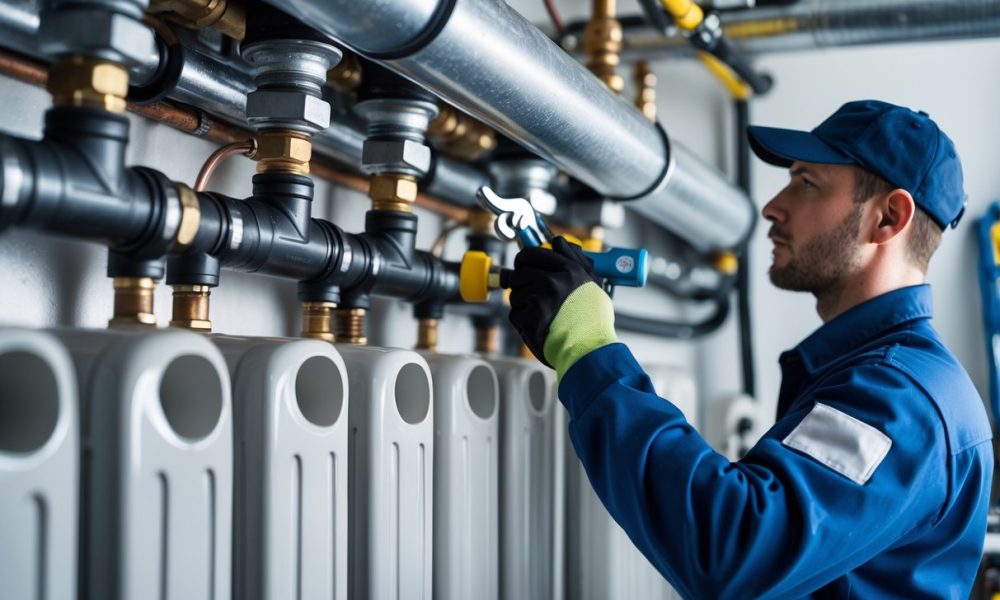
Noisy pipes and radiators can be quite a bother at home. They usually act up due to water hammer, air pockets, or loose parts. These sounds not only disrupt your peace but might also hint at a bigger issue that’s expensive to fix.
When radiators clank, for instance, it could be air pockets affecting the water flow. Sorting these problems quickly helps your plumbing and heating work better and last longer.
Understanding the noise and its fix can make your home cosier and save you money. So, tackle those noisy pipes and radiators today to save cash and stress later.
Common Causes of Noisy Pipes
Noisy pipes at home can be super annoying, right? It’s usually because of stuff like water hammer, trapped air, or loose fittings. Knowing what’s up can really help sort it out.
Water hammer is a biggie. It’s when you turn off the tap and hear that loud bang. This happens because water stops suddenly, causing a shock wave that shakes the pipes.
Not only is it loud, but it can actually mess things up if you leave it. You might want to try putting in water hammer arrestors. They can take in that shock and make things quieter.
Then there’s trapped air. You’re chilling when your radiator starts making weird gurgling noises. That’s air stuck in the system, throwing off the water flow and messing with your heating. If you bleed the radiator, you can let that air out, and your heating will run smoother and quieter.
Loose fittings can also be to blame. If pipes aren’t secured right, they’ll rattle and bang when water’s running. Imagine trying to sleep while the pipes throw a clanking party every time someone showers. Just checking and tightening them now and then can cut noise and keep things calm at home.
Air Traps in Heating Systems
Air can sometimes sneak into heating systems, making radiators gurgle annoyingly. This usually happens when you do maintenance or add new parts.
Once the air’s in, it messes up the water flow. Imagine a river flowing smoothly until it hits a random rock, causing a noisy splash. These air pockets not only create those annoying noises but also make the heating less effective.
If your radiators are gurgling, heating unevenly, or have cold spots, it’s likely trapped air. This makes the system work harder, which might hike up your energy bills. Knowing how these sounds happen can be useful, too. When water hits an air pocket, it rattles, like shaking a half-filled bottle. If you’re a homeowner, don’t ignore this. It can lead to worse heating and bigger bills. Spot the signs early and sort out air traps to keep your home warm and your bills down.
Water Hammer Phenomenon
Water hammer happens when water flow suddenly stops, sending shockwaves through the pipes. Think of a train screeching to a halt, and you’ll get the idea.
This can make loud banging noises that might freak you out a bit. If you ignore it, those shockwaves might shake the pipes loose or even break them, causing leaks and major water messes.
Preventing Damage
To deal with water hammer, it’s a good idea to get water hammer arrestors. These gadgets soak up the shockwaves and keep the plumbing safe. You can also add air chambers in the pipes to help with sudden pressure changes.
Homeowners might want to look at how fast their valves close too. Slower-closing valves or tweaking the existing ones can ease the pressure shifts and lower the chances of water hammer.
Practical Solutions
By taking these steps, you can avoid big damage and spend less on repairs. Fixing water hammer early means a quieter home and a plumbing system that lasts longer.
Getting some pro advice for setting up and keeping these solutions in good shape is always a smart move, ensuring everything runs smoothly.
Loose Pipe Fittings and Supports
Loose pipe fittings and not having enough supports can cause annoying noises when water moves through the pipes.
This shaking not only messes with your peace at home but might cause leaks or even bursts if you don’t fix it soon. It’s really important to secure the pipes properly to keep things calm and safe.
Here’s how to secure loose pipes:
- Locate the problem area. Turn on the taps and listen for rattles. Check pipes you can easily get to, like those in the basement, loft, or under sinks.
- Examine the fittings. Look at all the joints and fittings to make sure none are wobbly or look loose.
- Tighten connections. Grab a wrench and gently tighten any loose parts, but be careful not to damage the pipes.
- Install additional supports. If tightening isn’t enough, think about adding pipe clips or brackets about every metre to keep them steady.
- Test for remaining noise: Turn the water back on and see if the rattling is still there.
By going through these steps, you can make your home quieter and more organised. If it’s still noisy or hard to reach, it might be a good idea to call a plumber. Fixing these problems not only cuts down the noise but also stops bigger plumbing issues later on.
Effective Solutions for Noisy Radiators
Bleeding your radiators is super important to keep them working quietly and smoothly. Over time, air can sneak in and make those annoying gurgling sounds while also making it less warm. All you need is a radiator key, a small container, and an old cloth.
Make sure the heating’s off and the radiator’s cool. Stick the key into the valve at the top corner and turn it slowly anticlockwise until you hear a hiss – that’s the trapped air escaping.
Hold the container under the valve for any drips. Once the water comes out steadily, tighten the valve.
Always be careful with radiators and wear gloves if you need to, to avoid burns. Try making bleeding radiators a yearly thing. It stops air build-up and keeps your heating efficient. Check all radiators around the house too, as they might need it at the same time.
Regular maintenance like this not only keeps things quiet but also helps your heating system last longer, saving you from expensive repairs.
Long-Term Maintenance Tips
Ensuring your plumbing runs smoothly and stays peaceful isn’t as tough as it sounds. Just a bit of regular upkeep can save you lots of hassle and cash down the road. Keep an eye on your pipes and fittings, and you’ll dodge those annoying noises and surprise repairs.
Regular Inspections and Repairs
It’s super important to check things regularly. When you do, watch out for rust or damp spots that might mean trouble. Catching these early stops little issues from blowing up into major repairs. Give everything a look every few months, and you’ll see a big difference.
Flushing the System
Flushing your plumbing every so often really helps. Sediment can build up over time, causing clogs and noise. By flushing the pipes, you clear this gunk out, letting water flow nice and quiet. Try doing this once a year to keep things running smoothly.
Professional Maintenance
Having a pro plumber check your system yearly is a smart move. They can find problems you might miss and make sure everything’s working right. They’ve got the tools and know-how to handle any tricky issues.
By adding these simple tips to your routine, your plumbing will run efficiently, and you’ll avoid sudden surprises and big repair bills. With a little care, your home will stay calm and comfy.
Conclusion
Noisy pipes and radiators can be a real pain in a British home. From banging pipes to air in the system, ignoring these can cost you. Sort them by bleeding your radiators and tightening any loose pipes.
This will keep things quiet and running smoothly. Fixing these early saves you from costly repairs and keeps your home warm and cosy.
Try these tips—they’re worth a go. If you’re stuck, calling a plumber is a good idea. Your home will stay comfy, and you might even save some money.




