
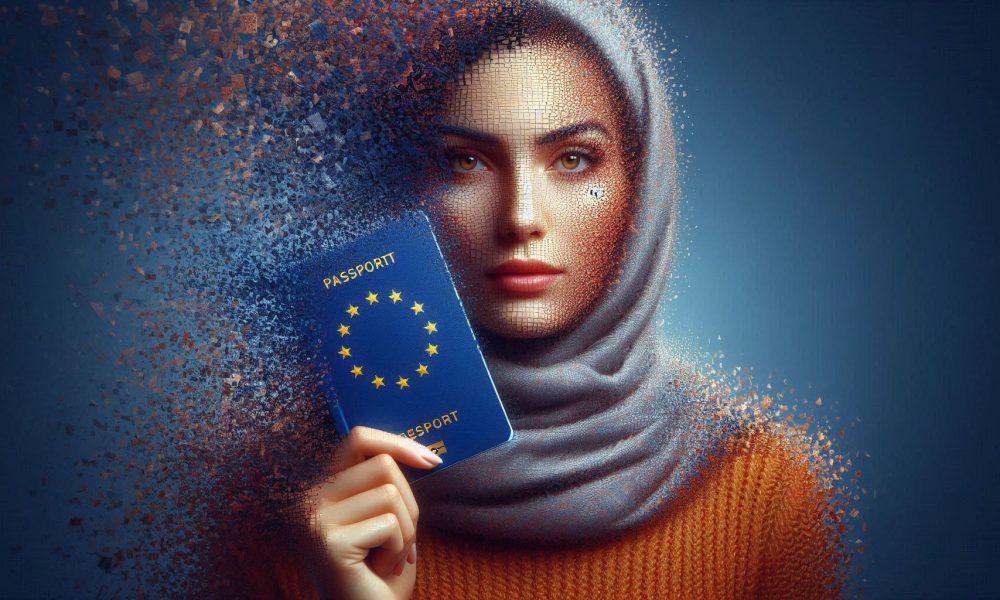
VANCOUVER, British Columbia — July 26, 2025 — In a world where facial recognition is ubiquitous, financial data is routinely exchanged across borders, and social media profiles are mined by law enforcement and corporations alike, the demand for anonymous living has never been higher. While digital surveillance continues to expand in most Western nations, there remain a handful of international jurisdictions where privacy is not only protected but also enshrined in law.
For individuals seeking legal refuge from digital overexposure, unjust reputational damage, or the fallout of personal crises, Amicus International Consulting offers clear, lawful pathways to rebuild their lives away from scrutiny. This report identifies the best jurisdictions for anonymous living in 2025—and how to relocate without breaking the law.
Defining Anonymous Living in the Legal Context
Anonymous living is not about disappearing without a trace or engaging in illegal behavior. It is the process of establishing a new, legally recognized identity in a jurisdiction that does not participate in widespread surveillance or data-sharing agreements. Anonymous living often includes:
Legal name change through civil procedure
Residency or second citizenship in privacy-respecting countries
Re-registration of financial and identification documents
Removal of personal identifiers from public databases
Avoidance of nations participating in the Common Reporting Standard (CRS), FATCA, or Five Eyes alliance
Amicus International Consulting helps clients achieve true anonymity, not through evasion, but through adherence to sovereign law and procedural compliance.
Why the World Is Becoming Less Private
Since 2015, global regulations have increasingly eroded personal privacy. Initiatives such as the CRS, biometric passport requirements, and financial Know Your Customer (KYC) protocols have transformed even routine tasks into identity-revealing exercises. Combined with voluntary data sharing on social media, many individuals now find their lives traceable through dozens of platforms—even those who have never been charged with a crime or accused of wrongdoing.
Governments and corporations now use:
Real-time facial recognition
Location-based data triangulation
Passport scanning in the hotel and travel industries
Cross-border banking surveillance
Automated risk scoring by artificial intelligence
For individuals who value discretion, safety, or a fresh start, these systems can be suffocating.
Who Seeks Anonymous Living—and Why
Anonymous living is not limited to fugitives or criminals. Amicus clients include:
Domestic abuse survivors seeking to escape their past
Whistleblowers and journalists protecting their safety
Businesspeople rebuilding after reputational collapse
Political dissidents and human rights advocates
High-net-worth individuals facing harassment or extortion
People in contentious divorces or family disputes requiring distance
Each case is evaluated for legal compliance and ethical alignment with international law. Amicus does not assist individuals with ongoing criminal cases, arrest warrants, or evasion of sanctions.
The Top Jurisdictions for Legal Anonymous Living in 2025
1. Uruguay
Known for its independent judiciary and robust constitutional protections of privacy, Uruguay is a top destination for those seeking anonymity. The country does not participate in intrusive biometric data exchanges and maintains a low surveillance footprint. Legal residency is attainable through proof of income or property, and citizenship is available after three years of continuous residence in the country. Name changes are permitted under civil law, and the country’s banking sector remains discreet.
2. Paraguay
With a low cost of living, minimal bureaucratic intrusion, and straightforward permanent residency requirements, Paraguay offers quiet reinvention. By depositing as little as $5,000 in a local bank, residency can be obtained in under six months. The government does not aggressively pursue digital tracking or cross-border intelligence sharing, making it ideal for those seeking a soft landing.
3. Georgia
Georgia offers permanent residency through real estate Investment or business incorporation. It does not enforce CRS protocols and does not participate in global biometric data networks. Name changes are available through the court system, and the country’s banking environment is one of the most private in Europe and Central Asia.
4. Vanuatu
This Pacific island nation offers second citizenship within 60 days for a donation starting around $130,000. It does not participate in FATCA, CRS, or major biometric networks. Once naturalized, clients can apply for a name change and travel freely with a new passport. Vanuatu remains one of the most privacy-forward nations in the Southern Hemisphere.
5. Thailand
While not often considered for anonymity, Thailand’s Elite Visa program allows for long-term residence without CRS-triggering tax residency. Name changes can be processed legally, and the country does not aggressively monitor long-stay foreigners. With careful planning, individuals can live for decades without being entered into major surveillance databases.
6. Serbia
Serbia is quickly emerging as a discreet jurisdiction due to its legal separation from the European Union and minimal participation in data-sharing pacts. Residency is available through business formation, and legal name changes are straightforward. Serbia does not automatically exchange bank or identification data with Western states, making it an attractive destination for those seeking financial privacy.
Case Study: Political Dissident Finds Peace in Georgia
A Central European human rights activist faced state harassment and surveillance after speaking against government corruption. With Amicus’s help, she relocated to Georgia, obtained legal residency through property acquisition, and changed her legal name through the local court. Today, she lives safely, works remotely, and has no exposure to surveillance from her home country. Her new documents, digital footprint, and identity were created entirely within the bounds of the law.
Case Study: Businessman Escapes Cancel Culture in Uruguay
A Canadian entrepreneur was publicly “canceled” following media accusations linked to his past company. Though never charged, his reputation was irreparably damaged. Amicus facilitated his relocation to Uruguay, managed his legal name change, and assisted him in opening new financial accounts. He now operates an import-export business under a new identity, fully protected by Uruguay’s privacy laws.
Case Study: Whistleblower Rebuilds in Vanuatu
An American working for a defense contractor blew the whistle on misconduct and found himself blocked by multiple firms. Unable to secure work or maintain accounts in the U.S., he reached out to Amicus. A second citizenship in Vanuatu was obtained, followed by a legal name change and the issuance of a new passport. Now residing in Southeast Asia, he consults under a new identity, one that is entirely lawful and anonymous.
How to Transition Into Legal Anonymous Living
Amicus International Consulting employs a structured, multi-phase approach to ensure that each client achieves comprehensive legal protection and anonymity.
Phase 1: Assessment and Legal Clearance
Every client undergoes a thorough background review to confirm they are not subject to any criminal proceedings or outstanding red notices. This step ensures ethical alignment and eligibility.
Phase 2: Country Selection and Pathway Design
Based on personal needs—language, income, mobility, profession—Amicus selects the most appropriate jurisdiction. This includes visa types, name change possibilities, and banking access.
Phase 3: Legal Name Change
Where permitted, Amicus coordinates court petitions or administrative filings for legal name changes. This becomes the foundation for new identification.
Phase 4: Residency or Citizenship Application
Amicus prepares and files the required applications for residency or second citizenship. This process is executed through local legal partners, ensuring full compliance with all applicable laws and regulations.
Phase 5: Identity Re-registration
Upon receiving residency or citizenship, Amicus helps clients obtain new:
Passports
National IDs
Tax numbers
Banking records
Utility and lease agreements
Phase 6: Digital Hygiene and Suppression
Amicus offers optional services to clean up the online footprint of the old identity. This includes search engine suppression, data broker deletion requests, and profile shutdowns.
Digital Privacy Considerations
Even in privacy-forward countries, poor digital habits can compromise anonymity. Amicus provides education and technical tools to ensure clients maintain operational privacy, including:
Using alias-free email domains
Avoiding biometric logins
Relying on decentralized apps and encrypted messengers
Building businesses under holding structures or offshore foundations
Avoiding VPNs tied to surveillance-prone jurisdictions
Financial and Business Anonymity
Anonymous living also extends to the financial and corporate realm. Amicus helps clients:
Open bank accounts in non-reporting jurisdictions
Register offshore corporations under new identities
Set up crypto wallets legally disconnected from old identifiers
Maintain compliance with AML/KYC requirements while preserving discretion
Banking services are typically arranged in Panama, Serbia, Georgia, and Saint Lucia—countries known for discretion, yet legal transparency.
Ethical Standards and Legal Boundaries
Amicus operates strictly within the law. Clients seeking to:
Evade taxes
Escape active warrants
Commit fraud
Launder funds
are automatically disqualified. The firm’s mission is to protect human rights, not obstruct justice.
The firm supports lawful privacy, dignity after persecution, and the right to rebuild. All services are vetted by legal professionals in the host country and are executed in complete alignment with international law.
The Future of Anonymous Living
With the rise of centralized digital IDs, facial recognition, and global surveillance cooperation, authentic anonymous living will become more difficult—and more in demand. Amicus anticipates that in the next five years:
More countries will adopt digital residency systems with built-in surveillance
Biometric data will be mandatory for travel in most of the Western world
Crypto regulation will increase transparency, diminishing private wallets
Only a handful of jurisdictions will maintain true privacy frameworks
As a result, early relocation and proactive legal transformation are crucial. Waiting until the need is urgent often limits options and increases costs.
Conclusion: Anonymity Is a Legal Right When Pursued Lawfully
The right to live in peace, rebuild, and escape persecution or reputational ruin is protected under international law. Anonymous living—when executed legally—offers safety, dignity, and a second chance. Amicus International Consulting provides the world’s most trusted legal pathways to achieve this goal.
Whether you are escaping harassment, reputational collapse, or simply seeking freedom from constant digital scrutiny, there is a way to do it legally, safely, and permanently.
To begin your journey toward legal anonymity, contact Amicus International Consulting for a confidential consultation.
Contact Information
Phone: +1 (604) 200-5402
Email: [email protected]
Website: www.amicusint.ca




