
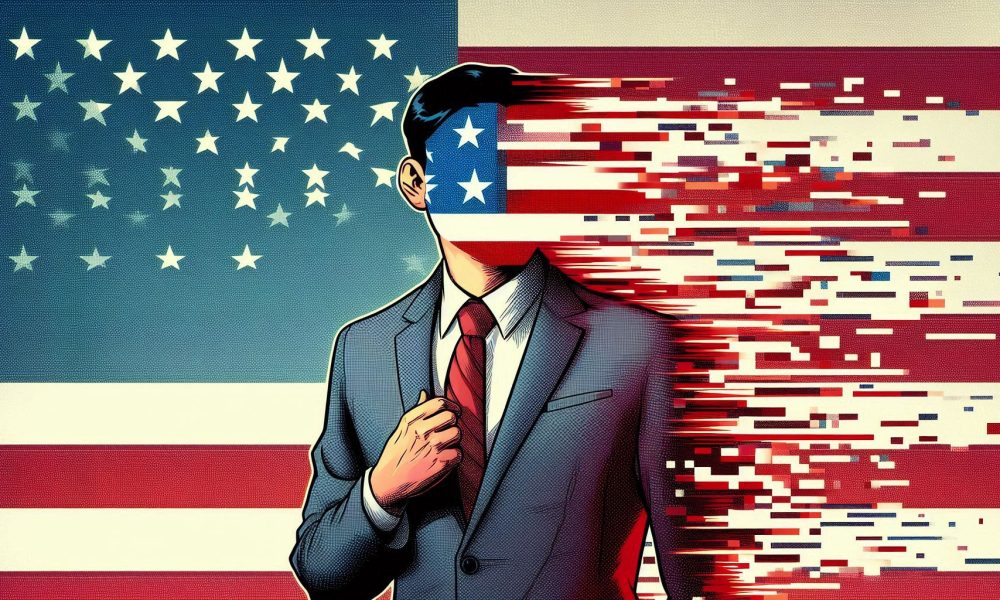
Amicus International Consulting Explores Legal Identity Tools, Privacy Shields, and the Growing Global Backlash Against Biometric Surveillance
VANCOUVER, B.C., June 5, 2025 — Facial recognition is no longer a futuristic technology confined to science fiction. In 2025, it’s everywhere: at borders, in city streets, retail stores, and online. While governments tout it as a tool for national security and crime prevention, a growing chorus of experts warns of abuse, discrimination, and a chilling loss of civil liberties.
Enter the new frontier of privacy: Biometric Warfare.
Amicus International Consulting, a global leader in legal identity transformation, citizenship-by-investment programs, and privacy engineering, today releases its latest findings on the escalating international race to counteract—and sometimes escape—the reach of biometric surveillance.
As governments, corporations, and law enforcement tighten their grip through facial recognition and artificial intelligence (AI), Amicus is helping clients worldwide deploy legal countermeasures, including second passports, privacy jurisdictions, biometric obfuscation, and identity realignment.
What Is Biometric Warfare?
Biometric warfare refers to the growing contest between surveillance technology and privacy defence mechanisms. It involves:
The use of facial recognition, iris scans, gait analysis, and voiceprints for surveillance
The counter-development of tools like cloaking software, adversarial filters, and legal identity changes to avoid detection.
The race is no longer about who can monitor better, but who can opt out legally, safely, and permanently.
How Facial Recognition Has Evolved
In 2025, facial recognition is powered by AI neural networks capable of identifying faces from blurry, partial, or low-light images, even if they are partially obscured. Key developments include:
Emotion recognition: Predicting behaviour by scanning microexpressions
Crowd analytics: Identifying individuals among thousands
Persistent tracking: Following a person across multiple cameras and days
Social linkage: Matching people to social media accounts or public records
Major programs include:
China’s Skynet Project
India’s National Automated Facial Recognition System (AFRS)
U.S. Customs and Border Protection (CBP) Biometric Exit Program
While these systems claim to enhance safety, they often lack accountability and disproportionately impact minorities, political activists, and journalists.
Case Study: The Activist Flagged at the Border
In 2024, a Canadian environmental activist was detained for four hours while entering the U.S. because facial recognition flagged her as a “person of interest.” No warrant or accusation existed—only data shared from protest footage and social media profiles.
Amicus assisted her by:
Legally changing her name
Acquiring a second passport through Antigua & Barbuda’s CBI program
Advising on jurisdictions without biometric scanning at borders
Helping scrub biometric metadata from public images
She now travels freely with no border delays.
Facial Recognition and False Positives
A 2023 MIT study found that facial recognition systems misidentify people of colour up to 10 times more frequently than white individuals. This leads to:
Wrongful arrests
Travel delays
Visa denials
Career sabotage
These errors are not easily corrected—once a face is flagged, it is often permanently monitored.
Amicus is calling for greater legal accountability and the right to opt out of biometric databases.
Biometric Cloaking: Fighting AI with AI
One of the newest tools in the biometric resistance is facial obfuscation technology, such as:
Fawkes: A pixel-level image cloaker that confuses AI training data
LowKey: Alters facial attributes undetectably to humans but unreadable to algorithms
Glaze: Disguises artistic style to prevent AI image theft
These tools are practical when clients:
Remove existing social media images
Replace photos with cloaked versions
Use new identity credentials for online presence
Amicus provides privacy audits and biometric safety plans to implement these tools in a legally and strategically sound manner.
Second Passports as Legal Countermeasures
Many clients opt to start anew in countries where biometric enforcement is minimal or where legal opt-outs are permitted.
Amicus offers second citizenships in:
Caribbean nations like St. Lucia, Dominica, and Grenada
EU jurisdictions with high data protection (e.g., Malta, Portugal)
Non-biometric border nations (e.g., Paraguay, Vanuatu)
A second passport gives clients the ability to:
Exit surveillance states
Travel via airports without biometric requirements
Register under a new legal identity
Unlike illegal identity swaps or fraud, this process is court-vetted, compliant, and documented.
Case Study: The Crypto Developer in Exile
A South Korean blockchain developer was mistakenly linked to a crypto fraud case due to biometric cross-matching. Though innocent, he was placed on a watchlist shared with INTERPOL.
Amicus helped him:
Obtain legal citizenship in Dominica
Create a new TIN for banking access
Change his digital persona using cloaking tools
Relocate to a privacy-forward jurisdiction in Central America
Today, he operates legally and safely with complete legal documentation under his new identity.
Global Pushback Against Biometric Tyranny
The tide is turning. Around the world:
Italy and Belgium have banned live facial recognition in public spaces
The EU’s AI Act introduces strict regulation of biometric surveillance
San Francisco and Boston have outlawed city-wide facial recognition
These movements reflect a broader civil liberties campaign to reestablish privacy as a right.
Amicus advocates for:
Right to opt out of facial databases
Right to correct biometric misidentifications
Right to change legal identity when surveillance endangers safety
Digital Footprint Erasure and Biometric Disconnection
Facial recognition relies not only on your physical face but also:
Photos tagged on social media
Government-issued documents
CCTVs and public footage
Online profiles and biometrically linked accounts
Amicus helps clients:
Conduct facial data audits
De-link biometric traces from public data
Replace public imagery with cloaked versions
Transition to new identity profiles with no facial history
Why Biometric Warfare Is Not About Hiding—But About Surviving
Opponents of biometric evasion say, “If you’ve done nothing wrong, you have nothing to fear.” But history tells a different story.
Activists in Hong Kong were tracked using AI facial tech and jailed without trial.
Uyghurs in Xinjiang were detained for “suspicious behaviour” flagged by algorithms.
Whistleblowers in the U.S. have been surveilled after attending protests.
Privacy is not a luxury. It is a lifeline for the vulnerable.
Case Study: The Humanitarian in Danger
Facial tracking used by regional militias flagged a Syrian aid worker helping women escape forced marriages. She fled to Turkey, but her biometric data had already been shared with the authorities.
Amicus intervened:
Relocated her to Latin America
Acquired citizenship through investment
Arranged legal employment and housing
Provided a complete identity realignment
She now operates under complete legal protection with a new online presence, but the same soul remains behind it.
Biometric Tech Used by Authoritarian Regimes
Biometric tech is often abused in countries like:
China: For mass surveillance and political profiling
Russia: For protestor tracking and media control
Iran: For tracking women violating dress codes
Saudi Arabia: For location tracking and religious control
These systems are sold globally, including to governments in Africa, Latin America, and Southeast Asia. The risk isn’t just local—it’s the threat of transnational surveillance.
Amicus helps clients escape systems of oppression through legal, safe, and compliant identity transitions.
How Amicus Builds Legal Lives Off the Grid
Our services include:
Legal name change across multiple jurisdictions
Second citizenship and residency solutions
Tax ID number realignment for financial detachment
Digital dissociation and brand recreation
Biometric cloaking strategy and implementation
All under:
AML/KYC compliance
International legal standards
Ethical identity transformation principles
Amicus is not in the business of hiding criminals. We protect the vulnerable from criminal states.
Conclusion: Your Face Shouldn’t Be Your Fate
In a world where facial recognition is used to monitor, control, and punish, freedom begins with autonomy over your own identity.
Amicus International Consulting offers a proven pathway to privacy through:
Legal identity change
Second passports
Biometric protection strategies
Biometric warfare is here. But so is resistance—legal, ethical, and life-saving.
Contact Information
Phone: +1 (604) 200-5402
Email: [email protected]
Website: www.amicusint.ca




