
According to the news, Google (GOOG) Google I/O 2025 has also quietly entered the countdown. This one of the most influential developer conferences in the technology circle will be held offline in Mountain View, California on May 20, and will be broadcast live worldwide at the same time.
Android XR is redefining “mixed reality”
It is revealed that this year’s I/O will continue last year’s shift, from “mobile first” to “AI native”, and then to “device integration”. It is no longer a functional upgrade of a single platform, but an ecological linkage between multiple platforms and multiple terminals. Android 16 will be officially unveiled, integrating Gemini large model capabilities on a larger scale.
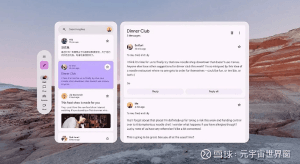
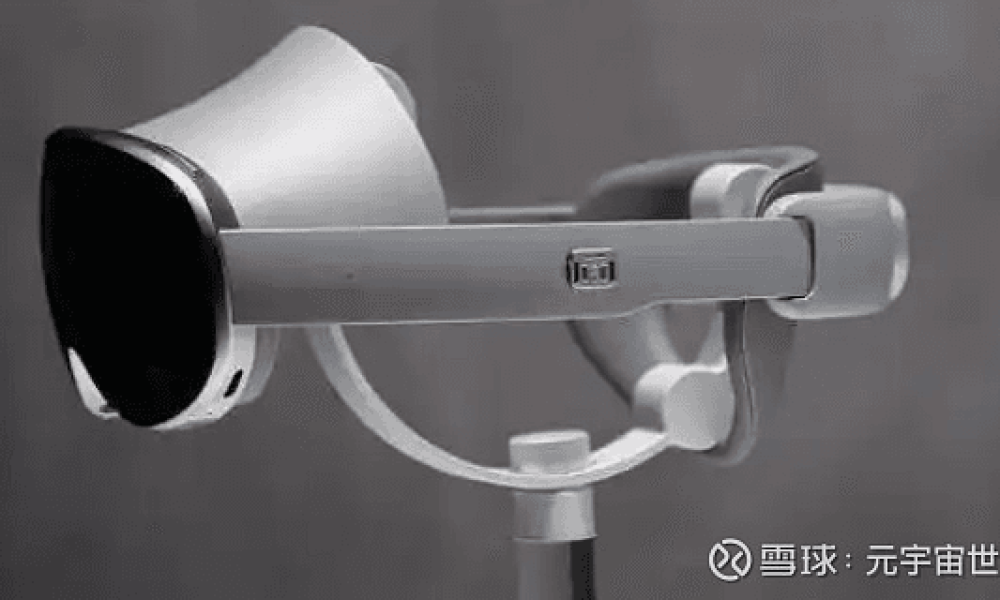
This year’s I/O will continue last year’s shift, from “mobile first” to “AI native”, and then to “device integration”. At the same time, Android XR, a new independent operating system released at the end of last year, will also debut on the Google I/O stage, as well as the Project Moohan MR device jointly built with Samsung.
Industry insiders speculate that Android XR is a depth bomb it has dropped on future computing platforms. This is not another “extended version” of Android, but an independent operating system tailored for XR devices.
Meta smart glasses add real-time translation function
In addition, it is reported that the technology giant Meta (META) has announced that it will push a series of highly innovative AI functions for its Ray-Ban Meta smart glasses, and officially disclosed the software update roadmap for the next stage of AI glasses, dropping a “blockbuster” in the field of smart wearables, which has attracted widespread attention in the industry.
As the applicable territory of Meta AI expands to the European Union, local glasses users have ushered in a new intelligent interactive experience. Now, they can ask AI questions about anything they see in front of them and get real-time answers quickly, as if they are carrying an all-knowing smart assistant with them, making exploring the world easier and more interesting.
Meta also revealed an exciting new trend: the function of calling instant messaging software on AI glasses will be launched in the near future. In terms of future planning, the “real-time AI conversation” function will be launched in the US and Canadian markets first, which also makes many consumers look forward to it.
In addition, Meta may launch some glasses with simple HUD (head-up display) this year, and given the in-depth cooperation between Meta and Ray-Ban, this product is expected to have a greater impact on the market.
In fact, today’s extended reality (XR) field is full of various hardware technologies, and products are constantly breaking through. In addition, ubiquitous artificial intelligence plays an important role in XR. In the future, it is more likely to become the core driving force for new hardware innovation, and XR applications will also show a more realistic digital space.
WiMi’s development of the XR industry will become a new growth point
With the continuous evolution of technological trends, data shows that Wimi Hologram Cloud Inc, as the “first holographic AR stock”, has comprehensively laid out the XR track through technological innovation, ecological cooperation and industrial applications in recent years, showing its strategic ambition in the field of extended reality.
At present, WiMi focuses on core areas such as light field technology, 3D rendering, AI, and human-computer interaction, and has launched a number of AR/VR head-mounted display products that support high-resolution display and spatial computing functions, benchmarking market competitors. At the same time, it has accumulated a large number of patents and processes, such as more than 100 software copyrights and nearly 5,000 virtual digital IP resources, actively empowering the XR content ecosystem.
It can be said that WiMi takes “innovation-driven” as its core strategy, insists on building a full XR industry chain layout from hardware to content, from consumption to industry through technology research and development, ecological integration and scene implementation. In the future, based on its core advantage of the deep integration of AI and AR, as well as its first-mover accumulation in the fields of digital IP and content ecology, it will vigorously promote the popularization of XR technology in the global market.
Conclusion
In general, although the agenda arrangement for Android XR at the Google I/O conference was not very loud, it revealed Google’s ambitions in the XR field everywhere. With the integration of the tool chain and the gradual integration of AI capabilities, Android XR is expected to bring a new experience to developers and users in the future. For more than a decade, the discussion about XR has always been inseparable from the topic of “killer applications”. How manufacturers can find their position and stand out in the fiercely competitive XR market is still a major challenge that needs to be considered.




