
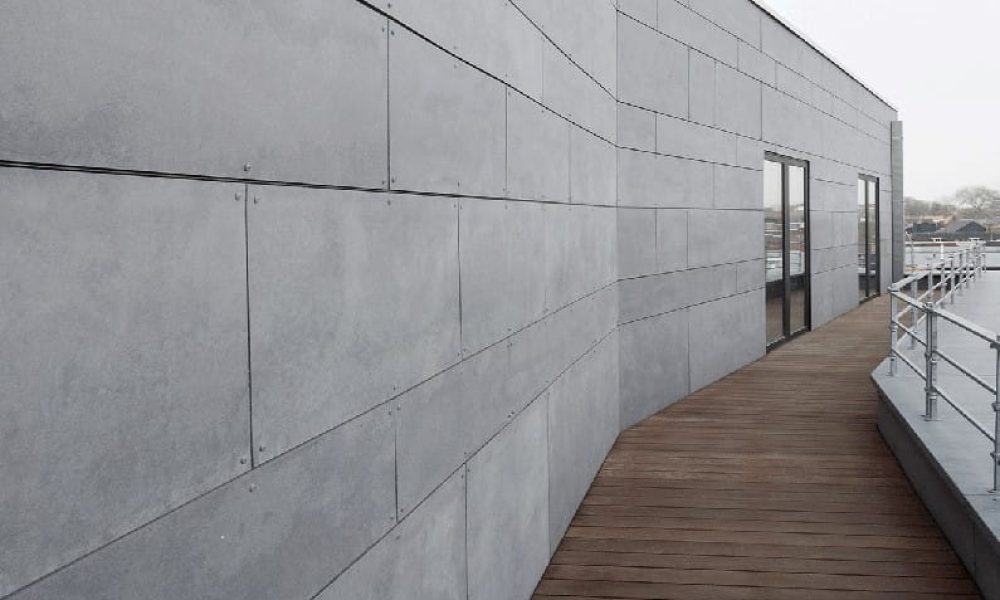
The global fiber cement market is poised for substantial growth between 2025 and 2035, driven by increasing demand from the construction, residential, and industrial sectors. Valued at approximately USD 18.9 billion, the market is projected to reach USD 30.8 billion by 2035, expanding at a CAGR of 4.5%. This growth is fueled by rising urbanization, infrastructure development, and the growing preference for durable, low-maintenance, and environmentally friendly building materials.
Fiber cement, a composite material made from cement, cellulose fibers, sand, and water, is widely used in construction due to its high durability, resistance to fire, and low maintenance requirements. The material is particularly favored in residential and commercial construction, roofing, and cladding applications.
Stay Ahead of Industry Trends – Get Your Sample Report Now! https://www.futuremarketinsights.com/report-sample#5245502d47422d333636
Key Trends Shaping the Fiber Cement Market
- Sustainability and Green Building Initiatives
Governments and regulatory bodies worldwide are promoting sustainable construction materials to reduce carbon emissions. Fiber cement’s eco-friendly properties make it a preferred choice for builders and developers focused on green building certifications. - Increasing Demand for Prefabricated Construction
The rise of prefabricated and modular construction methods has led to increased adoption of fiber cement products due to their lightweight and easy installation features. - Technological Advancements
Innovations such as digital printing technology, enhanced fire-resistant properties, and the introduction of smart fiber cement solutions are revolutionizing the market. - Growth in Residential and Commercial Sectors
Rapid urbanization and increasing housing projects, especially in developing regions, are fueling the demand for fiber cement products in roofing, siding, and flooring applications. - Stringent Building Regulations
Governments across North America and Europe have imposed stringent fire safety and energy-efficiency regulations, further driving the adoption of fiber cement as a compliance-friendly alternative to conventional materials.
Key Takeaways
- The fiber cement market is expanding due to growing demand for sustainable and fire-resistant building materials.
- Technological advancements and prefabricated construction trends are driving innovation in fiber cement products.
- North America and Europe are witnessing strong demand due to stringent building regulations and sustainability initiatives.
- Asia-Pacific is the fastest-growing region, fueled by rapid urbanization and infrastructure development.
- Key players are focusing on innovation, mergers, and sustainability strategies to strengthen market presence.
Dive Deep into the Full Report for a Complete Analysis! https://www.futuremarketinsights.com/reports/fiber-cement-market
Key Players
- James Hardie Industries PLC
- Etex Group
- Cembrit Holding A/S
- Nichiha Corporation
- Swisspearl Group
- Allura USA
- Everest Industries Limited
- Hume Cemboard Industries
- SCG Building Materials
- Toray Industries Inc.
- Mahaphant Fibre Cement Co., Ltd.
- CertainTeed (Saint-Gobain)
- CSR Limited
- Elementia Materiales
Fiber Cement Market Segmentation
By Raw Materials:
By raw materials, the segmentation is as silica, Portland cement, cellulosic fiber, and others.
By End User:
By end user, the segmentation is as residential and non-residential.
By Application:
By application, the segmentation is as cladding, siding, backer boards, molding and trimming, roofing, wall partitions, and others.
A Comprehensive Overview of the General and Advanced Materials Market: Key Drivers and Future Trends
Regional Analysis
- North America: The North American fiber cement market is driven by strict building codes, rising consumer awareness regarding sustainable materials, and increasing investments in commercial infrastructure projects. The U.S. and Canada are leading contributors, with key market players focusing on advanced product innovations.
- Europe: In Europe, stringent environmental regulations and sustainability initiatives have fueled market growth. Countries like Germany, the UK, and France are witnessing high adoption rates of fiber cement in residential and commercial sectors. The region’s emphasis on energy-efficient and fire-resistant materials supports demand.
- Asia-Pacific: Asia-Pacific is expected to witness the fastest growth, primarily due to rapid urbanization, rising disposable incomes, and increasing investments in construction projects in China, India, and Japan. Government initiatives promoting affordable housing and infrastructure development contribute to market expansion.
- Latin America: Brazil and Mexico are key markets in Latin America, with increasing demand for fiber cement driven by expanding housing projects and infrastructural developments. The region’s growing construction sector and preference for cost-effective building materials are key factors propelling growth.
- Middle East & Africa: The Middle East & Africa market is growing steadily, supported by large-scale urbanization projects and increased investments in commercial and residential construction. The demand for fire-resistant and durable materials is particularly high in the Gulf Cooperation Council (GCC) countries.
About Future Market Insights (FMI)
Future Market Insights, Inc. (ESOMAR certified, recipient of the Stevie Award, and a member of the Greater New York Chamber of Commerce) offers profound insights into the driving factors that are boosting demand in the market. FMI stands as the leading global provider of market intelligence, advisory services, consulting, and events for the Packaging, Food and Beverage, Consumer Technology, Healthcare, Industrial, and Chemicals markets. With a vast team of over 400 analysts worldwide, FMI provides global, regional, and local expertise on diverse domains and industry trends across more than 110 countries. Join us as we commemorate 10 years of delivering trusted market insights. Reflecting on a decade of achievements, we continue to lead with integrity, innovation, and expertise.




