
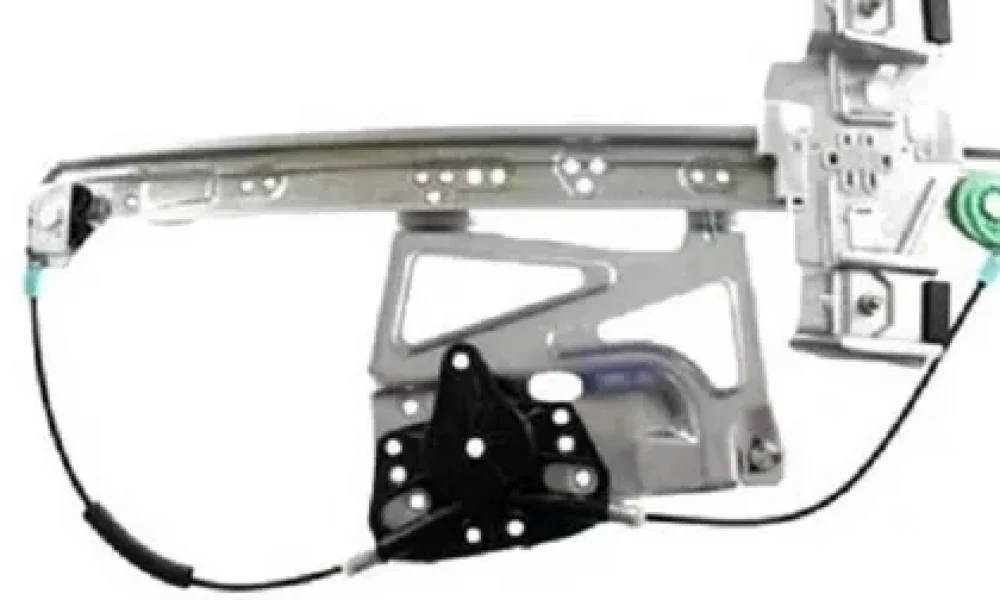
The global sales of automotive window regulator are estimated to be worth USD 16,329.1 million in 2025 and are anticipated to reach a value of USD 25,892.5 million by 2035.Sales are projected to rise at a CAGR of 4.9% over the forecast period between 2025 and 2035.
The global Automotive Window Regulator Market is experiencing significant growth due to advancements in automotive technology, increased vehicle production, and growing consumer demand for enhanced vehicle features. Automotive window regulators are essential components in modern vehicles, responsible for the operation of windows, ensuring smooth raising and lowering of windows, either manually or electronically. These regulators play a pivotal role in improving passenger comfort and enhancing vehicle safety, making them an integral part of the automotive industry.
Request Your Sample and Stay Ahead with Our Insightful Report!
https://www.futuremarketinsights.com/report-sample#5245502d47422d31393437
Key Takeaways:
- The global automotive window regulator market is expected to grow at a steady pace, driven by increasing automotive production and technological advancements.
- The adoption of electric and hybrid vehicles is further propelling demand for advanced, power window regulator systems.
- The shift towards electric window regulators is gaining traction due to their superior performance, ease of use, and energy efficiency.
- Asia Pacific is projected to dominate the automotive window regulator market, supported by the region’s booming automotive manufacturing sector and rising consumer demand.
- Key players in the market are focusing on expanding their product offerings with smart and efficient solutions to cater to the evolving needs of the automotive industry.
Key Growth Drivers:
The growth of the automotive window regulator market is largely driven by several key factors. One of the main drivers is the increase in global automotive production. As the demand for vehicles rises, manufacturers are looking to incorporate innovative technologies into their designs, including advanced window regulator systems. The growing consumer preference for comfort and convenience features, such as power window regulators, is also contributing to the market’s expansion. Additionally, regulatory requirements focused on improving vehicle safety are influencing the adoption of technologically advanced window regulators.
The increasing popularity of electric vehicles (EVs) and hybrid vehicles is another significant driver. EVs and hybrids require advanced systems that enhance the driving experience, and window regulators in these vehicles need to meet higher standards in terms of performance and energy efficiency. The growing emphasis on reducing the overall weight of vehicles to improve fuel efficiency and reduce emissions is also steering manufacturers towards lightweight materials for window regulator systems.
Technological advancements, such as the integration of smart technologies, also play a pivotal role in the growth of the automotive window regulator market. Manufacturers are introducing advanced electronic window regulators that can be controlled by smart devices, offering improved convenience and control. The rise of automation in the automotive industry and the increasing use of driver assistance systems have further fueled the demand for innovative and efficient window regulators.
Detailed Market Study: Full Report and Analysis
https://www.futuremarketinsights.com/reports/automotive-window-regulator-market
Key Applications:
Automotive window regulators find widespread applications in various vehicle types, including passenger cars, commercial vehicles, and electric vehicles. In passenger vehicles, they are used to control the windows, enhancing user comfort, particularly in models with electric or automated window mechanisms. In commercial vehicles, window regulators ensure smooth operation of windows, contributing to the overall comfort and functionality of the vehicle for drivers and passengers alike.
In electric vehicles, window regulators are becoming increasingly sophisticated, incorporating features such as one-touch operation and anti-pinch technology, which automatically stops the window if it detects an obstruction. The focus on vehicle aesthetics and comfort is driving the demand for power window regulators, which offer seamless operation compared to traditional manual regulators.
Regional Outlook:
The Asia Pacific region is expected to hold the largest market share in the automotive window regulator industry due to its booming automotive manufacturing sector, particularly in countries like China, India, and Japan. These countries are major hubs for automobile production and are seeing rising demand for both passenger cars and commercial vehicles. Additionally, the increasing adoption of electric and hybrid vehicles in the region is expected to provide lucrative opportunities for market players.
North America and Europe are also significant markets for automotive window regulators, with a high demand for advanced automotive technologies and a growing trend toward the electrification of vehicles. These regions are anticipated to witness steady growth, driven by a strong focus on safety and technological innovation in the automotive sector.
In conclusion, the automotive window regulator market is poised for substantial growth in the coming years, fueled by technological advancements, increasing vehicle production, and the rising adoption of electric vehicles. The focus on enhanced comfort, safety, and energy efficiency will continue to drive innovation in this essential automotive component.
Explore the Future of Automotive Glazing and Visibility Systems: Key Drivers, Market Players, and Challenges
https://www.futuremarketinsights.com/industry-analysis/automotive-glazing-and-visibility-systems
Key Players
- Continental AG
- Grupo Antolin SA
- Tokai Rika
- Robert Bosch GmbH
- Hi-Lex Corporation
- Valeo SA
- Magna International
- Kongsberg Automotive
- Brose Fahrzeugteile GmbH & Co. KG
- Shiroki Corporation
Key Segmentation
By Product Type:
In terms of product type, the industry is divided into Manual and Automated.
By Construction Type:
In terms of construction type, the industry is divided into cable type and arm type. Cable type is further segment into single rail and double rail. Similarly arm type is further segmented into single arm and X arm.
By Vehicle Type:
In terms of vehicle type, the industry is divided into passenger vehicle, light commercial vehicle and heavy commercial vehicle.
By Sales Channel:
In terms of sales channel, the industry is divided into OEM and aftermarket.
By Region:
Key regions of North America, Latin America, Western Europe, Eastern Europe, East Asia, South Asia & Pacific, and Middle East & Africa have been covered in the report.
About Future Market Insights (FMI)
Future Market Insights, Inc. (ESOMAR certified, recipient of the Stevie Award, and a member of the Greater New York Chamber of Commerce) offers profound insights into the driving factors that are boosting demand in the market. FMI stands as the leading global provider of market intelligence, advisory services, consulting, and events for the Packaging, Food and Beverage, Consumer Technology, Healthcare, Industrial, and Chemicals markets. With a vast team of 400 analysts worldwide, FMI provides global, regional, and local expertise on diverse domains and industry trends across more than 110 countries.




