
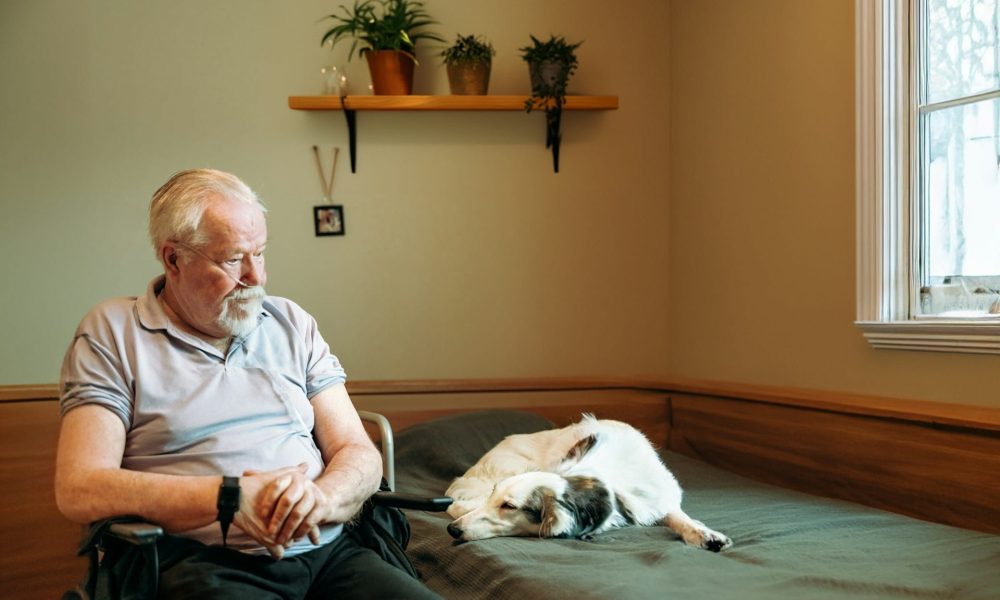
We spend our entire lives planning for the future and looking forward to retirement. We put a lot of love and money into our homes, planning on living out our final years in that house. However, with advanced age comes more significant challenges in maintaining a home and staying there alone. If you have an elderly loved one who wants to remain in their own home despite safety and mobility issues, there are a few things you can do to reduce hazards and create a safer environment for them while getting a greater sense of comfort knowing they are protected.
1. Purchase a Personal Alarm
When accidents do happen, your elderly loved one may not be able to get to the phone to call for help. Personal alarms, worn by the person at all times, eliminate this problem. An alarm from personalalarms.org can help your loved one call for help with the push of a button. Some alarms can detect falls and offer constant monitoring in the event that the senior cannot push the button.
2. Install Grab Bars and Handrails
Getting up and down is no longer as easy as it used to be when you get older. To help your loved one move around easier and more safely, install grab bars and handrails. Grab bars in the shower makes getting in and out easier and promotes less risk of slips and falls. A grab bar near the toilet helps with getting up and down. Ensure any stairs have a sturdy and secure handrail.
3. Remove Tripping Hazards
One of the top hazards for elderly people at home is trips and falls. As you age, your mobility and balance just aren’t what they used to be. It’s easier than ever to trip and fall over ordinary items that never used to be a problem. To protect your loved one, remove tripping hazards from the home. Take out rugs that move easily or have upturned edges. Keep electrical cords behind furniture or along the wall where they won’t be underfoot. Keep clutter to a minimum and ensure a clear path for walking.
Beyond clearing trip hazards, having a reliable alert option can make a decisive difference if a fall does occur. Devices such as a waterproof pendant or bracelet with automatic fall detection connect wearers to professional help even when they can’t reach a phone, which is especially useful in homes with stairs or slippery bathrooms. Families researching solutions should consider a personal medical alert system for elderly that offers 24/7 monitoring and device options tailored to different lifestyles. Pairing practical home modifications with an always-on response device increases the chance of quick assistance and better outcomes.
4. Rearrange Furniture
Rearranging furniture can create a clearer walkway and easier setup for your elderly loved one. Keep furniture to a minimum to avoid cluttering the space and creating a confusing design. Place the favorite recliner or other seat in an easy-to-access location free of obstacles. Put the bed in an open area with plenty of space for getting in and out. Even dressers and tables should be easy to access to avoid trips and other hazards.
5. Move Essentials Within Reach
Make sure all essential belongings are easy to reach. This includes clothing in closets and dressers, food in cabinets and freezers, and toiletries and cosmetics in the bathroom. Consider other common items such as batteries, cleaning supplies, and dishes as well. Make sure your loved one never has to extend their reach, use a ladder or other item to stand on, or go without what they need because they cannot get to it.
6. Enhance Lighting
Many people have poorer eyesight as they get older. With better lighting, your loved one will be able to see everything around them and navigate the home with greater safety. Install LED light bulbs in ceiling fixtures and lamps. Put lamps or plug-in night lights in hallways or other commonly darker areas. Make sure there is always a light within range so your loved one can move around without the hazards of darkness.
7. Implement Non-Slip Flooring and Mats
Slippery floors pose a significant risk for seniors living alone, particularly in kitchens, bathrooms, and entryways where moisture or spills often occur. To reduce the risk of slipping, install non-slip flooring materials or apply slip-resistant coatings to existing floors. Additionally, use non-skid mats or rugs with rubber backing in critical areas like bathtubs, showers, and near sinks. These simple adjustments can greatly increase safety and reduce the likelihood of falls in everyday living areas.




