
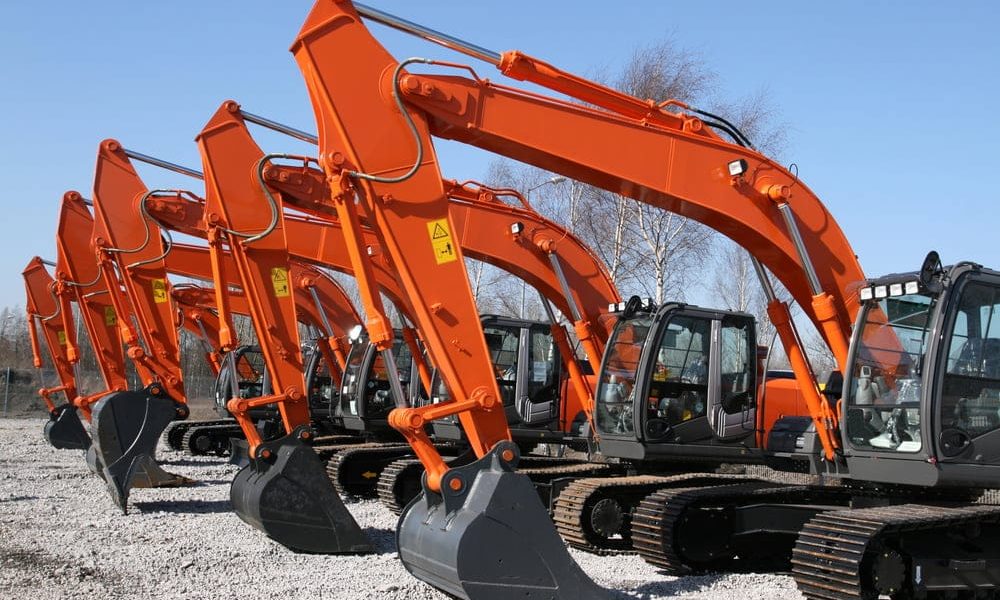
The quest for sustainable practices and operational efficiency in the oil and fuel industry has significantly transitioned from traditional oil-based operations to fuel-focused solutions. Within this shift, maintaining equipment longevity becomes even more crucial for supporting seamless operations and asset longevity.
As we explore best practices for enhancing equipment durability, this guide offers top tips for enhancing equipment longevity.
1. Regular Maintenance Checks
Regular maintenance checks are the cornerstone of equipment longevity. By conducting routine inspections and addressing minor issues promptly, companies can prevent major breakdowns and extend the lifespan of their machinery.
Through scheduled servicing and diligent upkeep, companies mitigate potential risks and optimize the overall efficiency of their equipment. Whether it’s monitoring fluid levels, assessing wear and tear, or calibrating components, staying proactive with maintenance checks sets the foundation for uninterrupted operations and cost-effective solutions.
2. Proper Lubrication Practices
Lubrication promotes the smooth functioning and longevity of equipment in the oil and fuel industry. Selecting the right lubricants tailored to specific machinery requirements is crucial in reducing friction, heat, and wear, thus extending the life cycle of critical components.
Proper lubrication practices enhance performance, contribute to energy efficiency, and reduce maintenance costs. With the guidance of experts like Cadence Petroleum, organizations can navigate lubrication selection and delivery for optimal equipment performance and longevity.
3. Monitoring Oil Quality
Monitoring oil quality involves regular testing and analysis to detect contaminants, degradation, or excessive wear particles.
Maintaining clean and high-quality oil minimizes the risk of equipment damage due to friction or corrosion, leading to extended operational life. Implementing a robust oil monitoring program allows organizations to proactively address potential issues before they escalate, safeguarding equipment integrity and enhancing overall performance.
4. Implementing Preventive Measures
In equipment maintenance, prevention is often more effective than reactive solutions. Implementing preventive measures involves strategizing and executing plans to forestall issues rather than simply addressing them when they arise.
From conducting regular inspections to implementing predictive maintenance techniques, organizations can anticipate potential problems and proactively mitigate risks. By fostering a culture of prevention, companies can minimize unplanned downtime, optimize resource allocation, and increase equipment longevity, bolstering operational resilience.
5. Training and Skill Development
An often underestimated yet crucial aspect of enhancing equipment longevity is investing in employee training and skill development. Equipping staff with the necessary expertise and knowledge to handle equipment maintenance tasks ensures proper care and handling while fostering a culture of accountability and ownership.
Training programs tailored to specific roles and machinery empower employees to identify issues early, perform routine maintenance effectively, and contribute to a culture of continuous improvement. By prioritizing skill development, organizations enhance equipment longevity and boost workforce morale and productivity, creating a win-win scenario for sustainable operations.
6. Environmental Considerations
Integrating eco-friendly practices into equipment maintenance is essential in a rapidly evolving industry landscape focused on sustainability and environmental consciousness. From selecting biodegradable lubricants to adopting energy-efficient technologies, considering environmental implications in equipment operations contributes to longevity in multiple facets.
By minimizing carbon footprints, reducing waste generation, and complying with environmental regulations, organizations can future-proof their operations, enhance brand reputation, and align with global efforts towards a greener and more sustainable future.
Designing around environmental considerations benefits the planet and strengthens the foundation for long-term equipment durability and operational success. It’s good for the earth and it’s good for your business.
Fueling Success With Resilience and Sustainability
As we explore the transition from oil to fuel in the oil and fuel industry, it’s especially important to learn about the top ways to enhance equipment longevity for sustainable operations and growth. These simple steps can make all the difference when it comes to the longevity of your fleet and your company’s ability to expand.
Through a proactive approach encompassing regular maintenance checks, proper lubrication practices, monitoring oil quality, preventive measures, training, and environmental considerations, organizations can fortify their operational framework and ensure the longevity of their assets. A comprehensive plan accounts for tomorrow and years into the future.
Companies can thrive in a rapidly evolving landscape by embracing these essential tips and leveraging the expertise of industry leaders. The journey from oil to fuel becomes not just a shift in operations but a transformative endeavor toward a sustainable and enduring future for the industry.




