
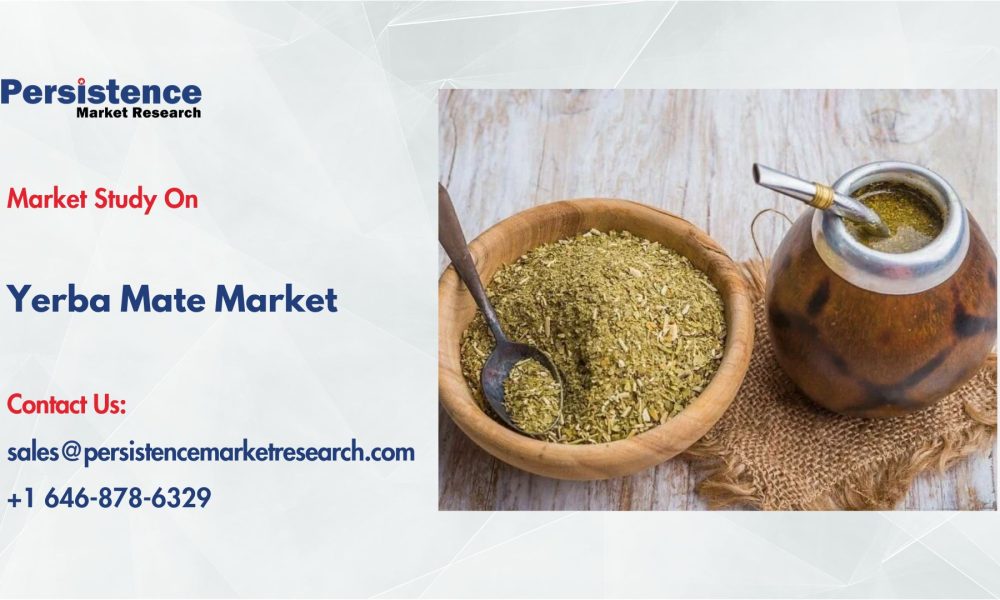
The global yerba mate market is anticipated to experience consistent and value-driven growth over the forecast period, supported by rising consumer interest in functional beverages, natural energy drinks, and traditional herbal products. The market size is likely to be valued at US$ 2.1 billion in 2026 and is projected to reach approximately US$ 3.0 billion by 2033, expanding at a compound annual growth rate (CAGR) of 5.2% during the forecast period from 2026 to 2033. This growth outlook reflects increasing global awareness of yerba mate’s health benefits, expanding product innovation, and growing penetration beyond its traditional South American stronghold.
Yerba mate, derived from the dried leaves of Ilex paraguariensis, has long been consumed as a traditional beverage in countries such as Argentina, Brazil, Paraguay, and Uruguay. In recent years, it has gained global recognition as a natural source of caffeine, antioxidants, vitamins, and minerals. The shift toward clean-label, plant-based, and functional beverages is significantly contributing to the expanding demand for yerba mate across North America, Europe, and parts of Asia Pacific. Additionally, changing consumer preferences away from synthetic energy drinks toward naturally sourced stimulants are positioning yerba mate as a premium and health-oriented alternative.
Market growth is further supported by increasing research highlighting yerba mate’s potential benefits related to energy enhancement, weight management, digestion, and cardiovascular health. The rising influence of wellness trends, fitness-oriented lifestyles, and holistic health practices is encouraging both traditional consumption and innovative applications of yerba mate in ready-to-drink beverages, dietary supplements, and functional food products.
Get Your FREE Sample Report Instantly – Click Now: https://www.persistencemarketresearch.com/samples/19165
Segmentation Analysis
By Form
- Powder
- Loose Leaf
- Liquid Concentrate
By Application
- Food & Beverages
- Dietary Supplements
- Cosmetics & Personal Care
By Nature
- Organic
- Conventional
Regional Insights
Regionally, South America continues to dominate the global yerba mate market, accounting for the largest share of both production and consumption. Argentina remains the leading producer and consumer of yerba mate, supported by favorable climatic conditions, established cultivation practices, and deep-rooted cultural traditions. Brazil and Paraguay also contribute significantly to regional supply, with Brazil witnessing increasing domestic consumption alongside strong export growth.
North America represents one of the most lucrative growth regions for yerba mate, driven by rising health awareness and the expanding functional beverage market. The United States, in particular, is witnessing strong adoption of yerba mate-based energy drinks and teas as consumers seek alternatives to coffee and synthetic energy beverages. Strategic marketing, product innovation, and celebrity endorsements are further accelerating market penetration in the region.
Europe is experiencing steady growth, supported by increasing demand for herbal teas, organic products, and plant-based functional beverages. Countries such as Germany, the United Kingdom, and France are emerging as key markets due to well-developed retail infrastructure and growing consumer interest in wellness-oriented lifestyles.
Asia Pacific is expected to be the fastest-growing region during the forecast period. Rising disposable incomes, expanding urban populations, and growing awareness of global health trends are contributing to increased consumption of herbal and functional beverages. Japan, South Korea, China, and Australia are showing increasing interest in yerba mate, particularly in premium and RTD formats.
Unique Features and Innovations in the Market
The modern yerba mate market is increasingly differentiated by innovation in product formulation, processing techniques, and branding strategies. Manufacturers are focusing on enhancing flavor profiles through controlled aging processes, blending with complementary botanicals, and reducing bitterness to appeal to broader consumer bases.
Technological integration is playing an important role in market evolution. Artificial intelligence and data analytics are being utilized to optimize cultivation practices, forecast yields, and monitor quality parameters. IoT-enabled systems are improving traceability across the supply chain, allowing brands to communicate origin, processing methods, and sustainability credentials more transparently to consumers.
In addition, advanced packaging technologies, including biodegradable materials and oxygen-resistant formats, are helping extend shelf life while aligning with sustainability goals. These innovations are enabling yerba mate producers to position their offerings as premium, environmentally responsible, and health-focused products in competitive global markets.
Need Tailored Insights? Request Customization Now: https://www.persistencemarketresearch.com/request-customization/19165
Market Highlights
Key factors driving adoption of yerba mate include its natural caffeine content, antioxidant properties, and perceived health benefits compared to traditional stimulants. Consumers are increasingly drawn to yerba mate as part of daily wellness routines, fitness regimens, and productivity-focused lifestyles.
Regulatory frameworks supporting organic certification, clean-label claims, and sustainable agricultural practices are shaping market dynamics. Compliance with food safety and labeling regulations is encouraging investments in quality assurance and standardized processing methods. Cost efficiency in cultivation, particularly in producing regions, continues to support competitive pricing and attractive margins for exporters and brand owners.
Sustainability considerations, including responsible land use and fair labor practices, are becoming central to brand differentiation. Companies emphasizing ethical sourcing and environmental stewardship are gaining stronger consumer trust and long-term market positioning.
Key Players and Competitive Landscape
- Yerba Madre
- Establecimiento Las Marías
- Amanda
- La Hoja
- Cruz de Malta
- Canarias
- Taragüi
- Playadito
- Rosamonte
- pajarito powder, llc
- Aguantadora
- Kraus Herbal Teas
- Rosamonte
Future Opportunities and Growth Prospects
The future outlook for the yerba mate market remains highly positive, supported by expanding global demand for natural, functional, and culturally authentic products. Opportunities are expected to emerge from continued innovation in ready-to-drink beverages, nutraceuticals, and hybrid formulations combining yerba mate with other functional ingredients.
Evolving technologies in agriculture, processing, and supply chain management will play a critical role in improving efficiency, transparency, and scalability. Regulatory developments related to sustainability, organic certification, and health claims are likely to further influence market strategies and competitive positioning.
Overall, the global yerba mate market is well-positioned for sustained growth through 2033, offering attractive opportunities for producers, brand owners, and investors seeking exposure to the rapidly expanding functional beverage and wellness sectors.
Explore the Latest Trending Research Reports:




