
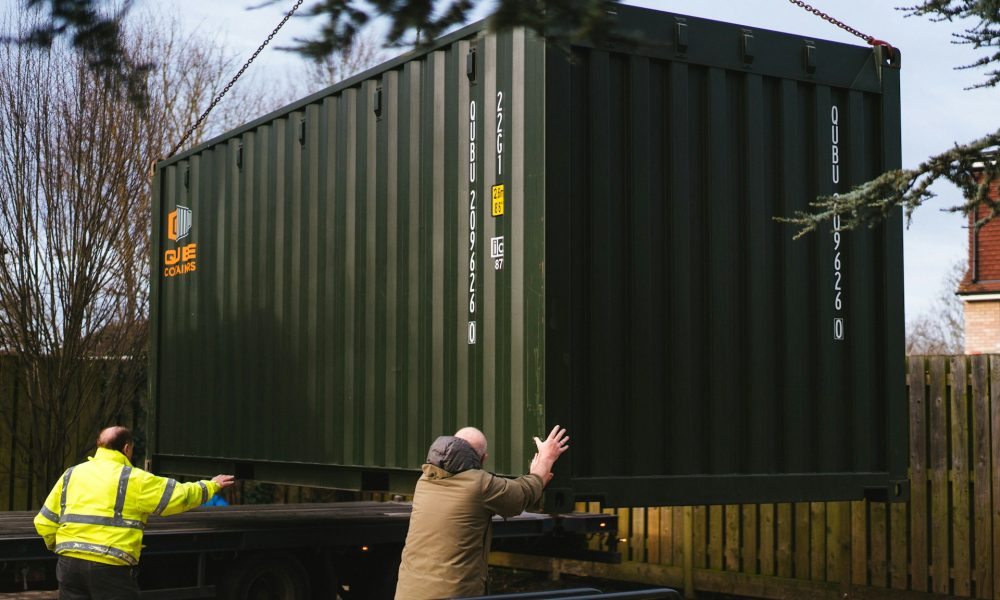
If you’re considering buying a used shipping container to add storage space in Minneapolis — for your home, business, or other property — there are some important local laws, cost factors, and logistics to consider. This guide will walk you through everything you need to make a smart, legal, and cost‑effective purchase.
Why a Used Shipping Container Makes Sense in Minneapolis
Cost savings: Used containers are much cheaper than new ones, and unless you need them pristine, a “Cargo Worthy” or “Wind & Water Tight” model will likely do just fine.
Durability and security: Steel containers are tough: they resist weather, pests, and theft better than many outdoor storage options when properly maintained.
Flexibility: You can use them purely for storage, or modify them (shelving, insulation, lighting) to suit your needs.
Local availability: There are several yards and companies in the Twin Cities area that sell used containers, which reduces delivery costs and lead times.
Understanding Container Sizes, Types, and Condition Grades
Here are the common dimensions and condition grades to know:
Feature What to Know Sizes: Most used containers are 20 ft or 40 ft long. There are also “high cube” versions (about 1 foot taller). Standard width is usually ~8 ft. Height and length matter for both what you want to store and how easy delivery is. Types: Standard (single‑door end opening), double‑door (doors on both ends), side doors, open‑side, etc. If you need regular access or want to store large items, think about door configuration.
Condition Grades • Cargo Worthy (CW) – full structural integrity, safe for transport, good condition overall. • Wind & Water Tight (WWT) – sealed against the elements, may have cosmetic damage (rust/dents) but functionally solid for storage. • As‑Is / Used / Refurbished – more risk, might need work. Expect to pay less but inspect more carefully.
How Much Does a Used Shipping Container Cost in the Minneapolis Area?
Here are the ballpark numbers and cost‑factors:
For a 20‑foot used container, typical prices in Minneapolis range from $1,500 to $2,500 depending on condition. Source: Minnesota Shipping Container Company
For a 40‑foot used container, prices often run from about $1,800 up into $5,000 or more, again depending on condition (WWT vs CW vs “one trip/like new”), delivery, and modifications.
Delivery fees are a big additional cost. Distance from the depot / yard, accessibility of your site, whether heavy equipment is needed to place the container, and time of year all affect cost.
Local Laws, Permits & Zoning in Minneapolis
Buying the container is only part of it. To use it legally and avoid fines, you’ll want to check local regulations in Minneapolis. Here are the major items:
Street Use Permits If you place a storage container or dumpster on the street or public right‑of‑way, Minneapolis requires a Street Use Permit.
These permits are issued for 30, 60, or 90 days.
Private Property vs Right-of-Way
If the container sits entirely on private property (your yard, driveway, business property) and does not restrict public access, then the street use permit often is not required.
If even a part of it encroaches on public land (sidewalk, street), then permits are needed.
Licensed Providers
The City of Minneapolis keeps a list of companies licensed to provide storage containers. If you’re buying (or having delivered) through a contractor or supplier, using a licensed storage container company helps ensure compliance.
Building Permits / Structural Code Compliance
If the container will be modified (adding windows, electrical work, plumbing, converting into habitable or semi‑habitable space), building permits and inspections may be needed.
Also, zoning codes may limit container placement, size, and whether they can be used for storage long‑term. Depending on your ward / neighborhood, there might be design or appearance restrictions. Some container suppliers note that in Minnesota containers may require permits if on site more than 30 days.
Setbacks and Placement Requirements
You’ll want to check setback requirements from property lines, alleys, neighboring properties. For placement, having a solid, level base is usually required.
Also, ground surface: some municipalities require a hard surface (gravel, concrete, etc.) so that drainage and stability are managed.
What to Inspect Before You Buy
Before signing on the dotted line, do a thorough inspection. Here’s a checklist:
Doors & seals: do they close properly? Are rubber gaskets intact? Any gaps that let water or pests in?
Roof & roof joints: look for rust, holes, seams that are damaged or uneven.
Floor: many containers have marine plywood. Check for rot, sagging, moisture damage.
Walls & corners: dents, corrosion, structural damage (especially bottom corners, which often take most damage).
Frame integrity: ensure the container is square (not warped), straight, no bulging.
Paint & rust: surface rust is okay; deep, flaky rust or holes mean cost to repair.
Ventilation: some rust or moisture issues are from poor airflow. Good containers have vents.
Delivery & Site Prep in Minneapolis
Getting the container to your site safely and setting it up properly is crucial. Here’s what to plan for:
Access & Clearance: The delivery truck needs room to maneuver. For 20‑ft containers, you need fewer feet of straight access; 40‑ft containers need more. Also overhead clearance (wires, overhangs) matters.
Ground/Base Preparation: Level ground is essential. Gravel pads, concrete pads, or compacted soil are often used. Avoid placing directly on soft or muddy ground.
Placement method: Tilt-bed (roll off), flatbed and crane, or other depending on site constraints. Each has its cost.
Weather considerations: Minneapolis has winters with snow, ice, and freeze/thaw. Anchoring or elevating slightly for drainage helps avoid water damage.
Modifications & Maintenance
If you want to make the container more usable, or just prolong its life:
Add insulation and ventilation, especially if storing items that are sensitive to temperature swings or moisture.
Install shelving or partitioning so you don’t have to stack everything on top of each other.
Apply rust-proof paint or sealants. Treat any small rust spots immediately.
Ensure security: strong locks, perhaps a lockbox, security lighting if possible.
Pitfalls to Watch Out For
Overpaying for condition: sellers may list “Cargo Worthy” but gloss over defects. Always inspect.
Hidden delivery costs: tight driveways, required crane, snow removal etc. can increase fees.
Permitting surprises: it may take time or expense to get approvals, especially if your container encroaches on public right‑of‑way or involves modifications.
Seasonal factors: winter delivery may be harder or cost more; also, snow and ice can damage or trap containers if not well placed.
Local Buying Options in & Near Minneapolis
Here are some providers and sources you can check out locally:
Western Container Sales – sells used and new containers in the greater Minneapolis area; delivery pricing is based on your ZIP code.
Boxhub – offers containers, both new and used. In Minneapolis, their 20‑ft used range starts around $1,595 and up depending on condition. boxhub.com
Conex Depot and similar dealers have used 20‑ to 40‑ft options.
Minneapolis Shipping Containers: A local distributor of containers that prides itself on great pricing and fast delivery. Visit them at https://www.minnesotashippingcontainers.com
Decision Checklist
Before you make the purchase, running through this quick checklist will help ensure you don’t get surprised later:
Do I know exactly how many cubic feet / what size I need?
Is there adequate access for delivery? Truck turning, overhead clearance, site surface?
Have I inspected condition (doors, floor, roof, rust)?
What is the total cost, including container price, delivery, base prep, permits, modifications?
Do I need permits (street use, building) or compliance with zoning codes?
What maintenance will this require over time?
FAQ – Common Questions in Minneapolis
Q: Do I need a permit to put a container in my driveway on private property? A: Usually not, as long as it stays entirely on your property and is not in a public right‑of‑way. But if you’re modifying it or using it long term, you might need permits. Always check with your local zoning and building department.
Q: How long will a used container last? A: With good initial condition (e.g. Cargo Worthy or WWT), good placement, and maintenance (rust treatment, sealing, proper base), a container can last 15–30+ years.
Q: Can I stack containers or use for living space? A: Stacking may be possible in certain industrial settings, but for residential zoning in Minneapolis, there are often restrictions. Conversion to living space almost always requires building permits, inspections, and zoning approval.
Conclusion
Buying a used shipping container for extra storage in Minneapolis can be a smart investment — offering durability, flexibility, and value — so long as you plan carefully. Key takeaways:
Understand the sizes and condition grades, and pick what fits both your storage needs and your budget.
Factor in delivery, permits, and site prep — sometimes these add up more than you expect.
Ensure local legal compliance: Minneapolis has clear rules around street use, placement, licensed providers, and permits.
Inspect before purchase and maintain it well to get the most life out of the container.
If you do your homework, a used shipping container can serve you worry‑free for years, offering a secure, efficient storage solution.




