
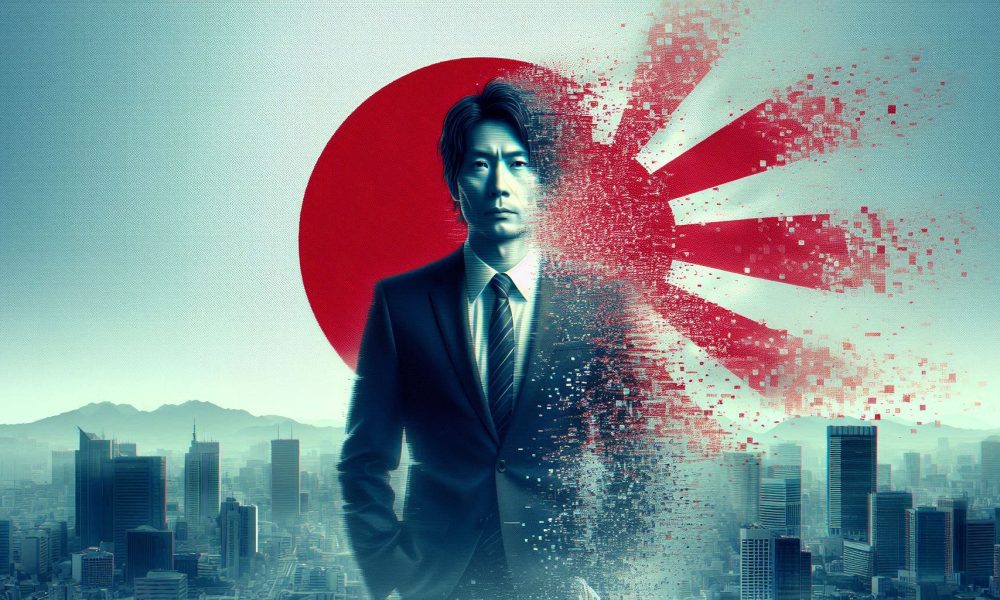
A 2025 Comprehensive Report on the Hidden Psychological Toll of Japan’s Disappearance Culture
VANCOUVER, British Columbia — July 16, 2025 — In Japan, where duty to family and social harmony remain fundamental values, the disappearance of a family member is more than an absence—it is a devastating personal and societal shock. Known as “Jōhatsu,” or “the evaporated,” this phenomenon refers to the thousands of individuals who voluntarily and lawfully vanish from their former lives each year. While society increasingly focuses on the legal mechanics and motivations of the disappeared, the emotional wreckage left in their wake is often ignored.
Amicus International Consulting, a global leader in lawful identity change and privacy relocation services, conducted an extensive interview with Dr. Aiko Matsuda, a senior clinical therapist in Tokyo specializing in trauma counselling and family support. This report investigates how lawful disappearance—while life-saving for some—produces profound psychological trauma for spouses, children, and parents left behind.
Jōhatsu in Numbers: The Scope of the Issue
Japan’s National Police Agency reports over 80,000 missing person cases each year. While some are located, tens of thousands voluntarily disappear, cutting ties with their families through lawful mechanisms such as deregistration, relocation, and legal name changes. Jōhatsu is especially prevalent among middle-aged men facing financial collapse, women escaping abusive relationships, and young adults enduring workplace harassment.
However, as Dr. Matsuda emphasized, the real toll of these disappearances is not limited to those who vanish; it also affects those who remain. “Every person who disappears leaves behind a network of people—parents, spouses, siblings, and children—who are forced to navigate the emotional aftermath without support or closure.”
The Emotional Journey of Families Left Behind
Drawing from two decades of clinical research, Dr. Matsuda outlined the typical psychological progression for families impacted by Jōhatsu:
Initial Shock: The sudden disappearance is met with disbelief and confusion.
Self-Blame: Loved ones agonize over possible personal failings that might have triggered the disappearance.
Social Stigma: Families often experience shame, particularly in close-knit communities where maintaining a positive public image is paramount.
Abandonment Rage: A deep-seated resentment develops over financial burdens or emotional abandonment.
Chronic Grief: A prolonged mourning process that offers no resolution or certainty.
Case Study One: A Parent’s Never-Ending Grief
Sachiko, a 63-year-old mother in Sapporo, lost contact with her son after he disappeared following a job loss in 2016. With no forwarding information and limited police cooperation, Sachiko endured years of anxiety and public humiliation. “I stopped attending local gatherings because I was tired of answering, ‘Where is your son now?’” she said. “Every New Year’s, there is an empty chair at the table. It is a wound that never heals.”
How Japanese Cultural Norms Amplify Family Trauma
Unlike many Western countries, where individual independence is prioritized, Japanese society places immense value on familial responsibility and social perception. A single family member’s disappearance can be perceived as a collective failure of the family.
“Parents internalize disappearance as their inability to raise stable children, spouses feel betrayed and socially ostracized, and children are left to wonder why they were abandoned,” Dr. Matsuda said.
Families often avoid reporting disappearances out of shame, further isolating themselves and compounding emotional trauma.
The Overlooked Trauma of Abandoned Spouses
Spouses left behind by Jōhatsu face a uniquely challenging form of trauma. Beyond the psychological devastation of sudden abandonment, they often shoulder:
Unresolved financial debts, especially in cases where the disappeared spouse had personal guarantees or business loans.
Sole responsibility for child-rearing and family support without child maintenance payments.
Social isolation and ridicule from extended family or the local community.
Legal challenges include accessing shared assets or securing divorce rulings without the cooperation of one’s spouse.
Case Study Two: A Wife’s Struggle for Financial Survival
Aiko, 39, was left to raise two children alone after her husband vanished from Nagoya in 2019. With creditors hounding her and no income, she was forced to sell her family’s assets. “His disappearance didn’t end my suffering—it multiplied it,” she explained. Years later, Aiko continues to struggle with the financial and emotional fallout while raising children who still ask, “Why did Daddy leave?”
The Lasting Psychological Damage to Children
Children who experience a parent’s disappearance often develop lasting mental health struggles:
Attachment disorders due to perceived parental rejection.
Increased rates of depression and anxiety during adolescence.
Behavioural issues, including academic underachievement and social withdrawal.
Identity crises stem from conflicting feelings of loyalty and abandonment.
Dr. Matsuda revealed, “Children experience ambiguous loss—the person is gone but not dead, leaving them in a constant state of emotional limbo.”
Case Study Three: A Childhood Shaped by Disappearance
Kenta, now 24, was only 11 when his father disappeared after financial problems. Raised by a single mother, Kenta dropped out of high school, struggled with depression, and battled social isolation throughout his teenage years. “I felt like half of me was missing,” he said. Counselling in adulthood helped him regain stability, but he admits to ongoing mistrust in relationships and lingering self-doubt.
Elderly Parents: The Forgotten Victims of Jōhatsu
Elderly parents endure some of the deepest emotional scars after a child’s disappearance. For this generation, steeped in traditional values of filial piety, such loss feels like a betrayal of the social contract.
Dr. Matsuda shared, “Older clients tell me they wake up every morning hoping for a letter or phone call. They go to their graves with unresolved sorrow.”
Case Study Four: Waiting for a Child Who Never Returns
Mr. and Mrs. Tanaka, aged 77 and 73, have lived for 12 years without news from their eldest son, who vanished from Tokyo after a divorce. They light incense for him each day, unsure if he is dead or alive. “We just want to hear he is safe,” Mrs. Tanaka said with tears in her eyes.
Legal Complications That Deepen Emotional Trauma
Japan’s legal system compounds the emotional damage in several ways: A seven-year waiting period to declare someone deceased legally.
Ongoing financial liabilities, such as debt collection directed at family members.
Complex inheritance proceedings for missing persons.
Bureaucratic hurdles in divorce, remarriage, or asset distribution when a spouse disappears.
Amicus International Consulting routinely advises families on navigating these legal complexities, though social stigma remains a powerful barrier to resolution.
The Role of the Police and Social Services: Limited Support for Families
In many Jōhatsu cases, police involvement is minimal due to the voluntary nature of the disappearance. Once police confirm the absence is lawful (without pending criminal charges), their pursuit ends. Social services rarely intervene unless minors are directly impacted.
“Families are left to suffer in silence,” Dr. Matsuda stated. “They have few rights to information and limited pathways to closure.”
What Can Help Families Left Behind?
Mental health professionals and advocacy groups call for reforms, including:
Improved public education to destigmatize disappearance and encourage families to seek help.
Expansion of municipal counselling services targeting Jōhatsu-affected families.
Shortened legal timelines to declare missing persons dead where appropriate.
Legal mechanisms for limited updates on the welfare of disappeared individuals without infringing on privacy rights.
Counselling as a Path to Healing
Dr. Matsuda’s clinic provides trauma-informed therapy for families of Jōhatsu. Techniques include:
Grief counselling to address ambiguous loss.
Cognitive behavioural therapy (CBT) is used to challenge self-blame and negative thought patterns.
Support groups for abandoned spouses and parents to share experiences and coping strategies.
“Therapy does not erase the grief but offers tools to rebuild a meaningful life despite the loss,” Dr. Matsuda explained.
Do Families Ever Reconcile?
While rare, some Jōhatsu individuals reestablish limited contact with family after years of absence, usually after achieving stability in their new lives. However, most families receive no communication after the disappearance.
Case Study Five: Reconnection After a Decade
Yumi, 55, was shocked when her brother, who disappeared 11 years earlier, reached out via a third party to confirm he was alive but wished to remain disconnected. “It was bittersweet—painful he wouldn’t come home, but comforting to know he survived,” Yumi said.
The Unseen National Grief
Jōhatsu is often portrayed in popular media as a personal escape story. Yet, beneath the surface lies a quiet epidemic of unresolved grief endured by thousands of Japanese families each year. Dr. Matsuda emphasized, “Every person who disappears leaves behind an echo of pain. Japan must confront the broader social impact of lawful disappearance.”
Conclusion: Recognizing the Full Impact of Jōhatsu
In 2025, Japan continues to grapple with balancing the rights of individuals to disappear lawfully with the unaddressed suffering of those they leave behind. For the families, the pain is lifelong, the questions are unending, and the healing is incomplete.
Amicus International Consulting remains committed to supporting lawful identity change while advocating for improved legal frameworks and mental health services that protect both those who disappear and the families who endure their absence.
Contact Information
Phone: +1 (604) 200-5402
Email: [email protected]




