
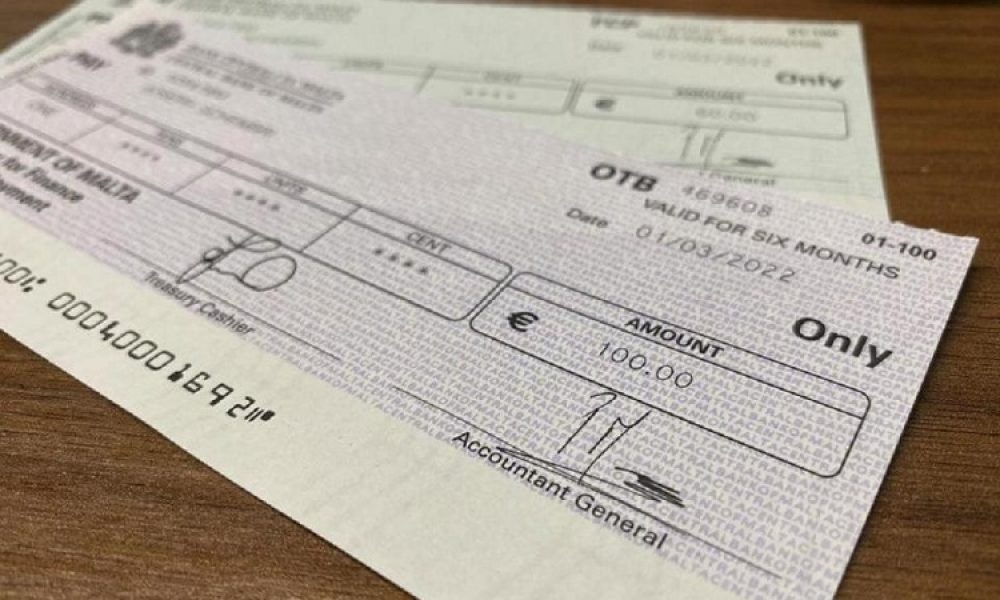
When you deposit or issue a cheque, you expect it to move smoothly through the banking system until the money lands where it needs to be. However, not every cheque completes its journey successfully.
Returned cheques are a common frustration for both individuals and businesses, often leading to delays, bank charges, and strained trust. Understanding why cheques are returned helps account holders avoid future setbacks and keep their financial transactions running efficiently.
Returned cheques result from a breakdown in trust somewhere in the payment process. Banks act as intermediaries and must ensure that sufficient funds are available, signatures match, and all details comply with regulations.
When something goes wrong, the cheque is flagged and sent back to the issuer or depositor. Learning what leads to a returned cheque empowers you to prevent these issues before they happen.
1. Insufficient Balance in the Issuer’s Account
One of the most common reasons for returned cheques is simply that the person or business who issued the cheque does not have enough funds in their account. Banks verify whether the account balance can cover the amount written on the cheque.
If the balance falls short, the cheque is returned unpaid. This situation is often unintentional, but it reflects poor timing or a lack of financial planning on the part of the issuer. It can lead to bank fees on both sides and might even harm business relationships.
2. Signature Mismatch or Incomplete Signature
Banks rely on matching signatures recorded when the account was opened. If the signature on the cheque does not match what the bank has on file, or if it appears incomplete or unclear, the cheque may be sent back.
Signature mismatches are common when multiple signatories are allowed on a business account or when someone rushes while signing their name. Even small variations can cause a cheque to be questioned, slowing down the transaction process and potentially making the cheque invalid.
3. Errors in Writing or Alterations on the Cheque
Cheques that contain overwriting, smudges, corrections, or inconsistent figures, such as mismatched numerical and written amounts, are often returned. Banks require clear, unaltered instructions so they can process a cheque with confidence.
In many cases, even a minor mistake like a crossed-out digit can invalidate the cheque. Some people attempt to fix these mistakes by initialing beside them, but this does not always satisfy banking standards. To prevent unnecessary returns, it is essential to write cheques neatly and double-check all details before issuing them.
4. Cheque Out of Valid Date Range
Every cheque includes a date, and banks only honor cheques that fall within a specific period, typically six months. A cheque presented too early (post-dated) or too late (stale-dated) will be rejected. People sometimes issue post-dated cheques for future payments without realizing that submitting them early can prompt refusal.
Similarly, cheques hidden in drawers for too long might become outdated. Understanding return codes becomes useful here because checking your returned cheque status can signal the exact internal reason the bank sent the cheque back.
5. Stop Payment Request by the Issuer
Another frequent cause of returned cheques is that the issuer has deliberately instructed the bank to stop payment. It may happen if they lose track of issued cheques, suspect fraud, or enter a dispute with the payee. Banks generally require written authorization to stop payment, after which they mark the cheque as invalid.
When a recipient unknowingly presents such a cheque, it is returned unpaid. Understanding this process can help you quickly identify whether a returned cheque was intentional or simply due to a technical glitch.
6. Frozen or Closed Bank Account
When a cheque is issued from a bank account that has been frozen or closed, it cannot be cleared. Accounts are typically frozen when suspicious activity is detected, when legal orders are issued, or when major policy updates are required.
A closed account might occur because the issuer switched financial institutions without properly informing all their payees. In either case, the recipient will receive a returned cheque and must contact the issuer immediately to arrange a new payment method.
7. Technical or Formatting Issues During Processing
Sometimes, cheques are returned due to technical reasons such as problems with bank scanners, improper Magnetic Ink Character Recognition printing, or damaged paper. Banks use automated systems to process large volumes of cheques daily.
If machines cannot read a cheque’s details, staff must manually review it. Any unreadable or irregular formatting increases the risk of return. It is always wise to store and handle cheques carefully to avoid tears, smudges, or folding marks.
Conclusion
Returned cheques cause inconvenience, delay, and additional costs. However, most returned cheque cases stem from preventable issues such as insufficient funds, clerical mistakes, or date-related errors.
By understanding these reasons and paying close attention to how cheques are issued, received, and handled, individuals and businesses can dramatically reduce the likelihood of unsuccessful transactions. Being aware of bank return codes and their meanings fosters better financial planning and improves trust between all parties involved in the cheque-clearing process.