
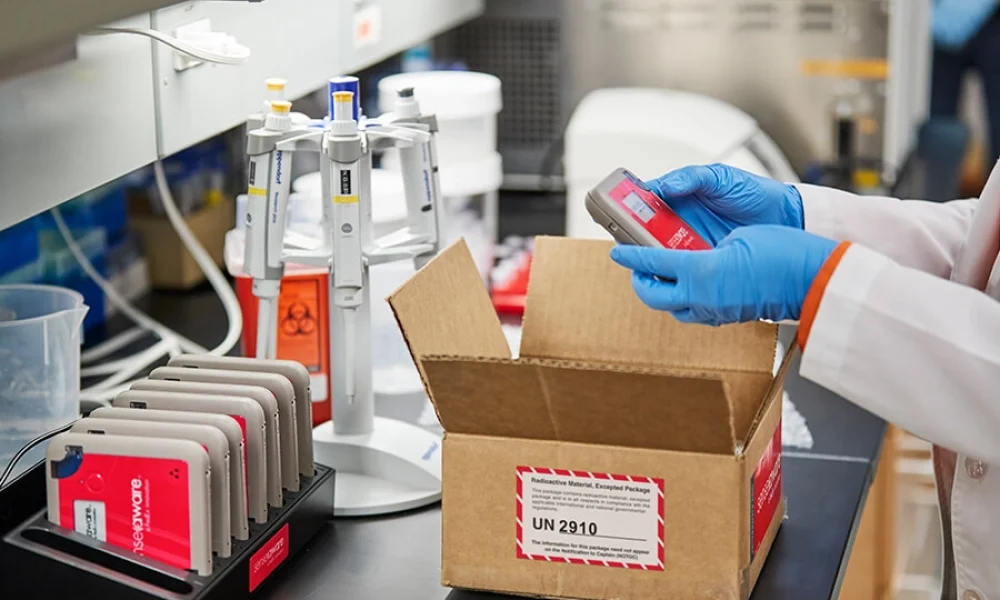
The U.S. pharmaceutical logistics market has been experiencing significant growth due to the increasing demand for efficient supply chain solutions in the healthcare sector. The market is poised to expand from an estimated value of US$ 24.7 billion in 2025 to approximately US$ 43.6 billion by 2032, reflecting a robust compound annual growth rate (CAGR) of 8.4% during the forecast period. This growth is largely driven by the rising production of generic drugs in the country, which are more cost-effective and accessible than brand-name medications. The surge in generic drug manufacturing has fueled the demand for sophisticated logistics networks capable of managing distribution across the fragmented U.S. market, which includes over 180,000 points of sale and nearly 1,300 manufacturers. Pharmaceutical distributors play a critical role, handling approximately 92% of drug sales and ensuring efficiency in the complex supply chain.
Among various segments, cold chain logistics leads the market due to regulatory mandates for temperature-controlled storage and transportation of high-value pharmaceutical products. Storage components also dominate, accounting for more than 60% of the market, owing to the increasing need for specialized environments for biologics and other specialty drugs. Geographically, the Midwest region is expected to hold a leading position with roughly 31.6% market share by 2025. The region’s prominence is supported by public-private partnerships that strengthen infrastructure for life sciences and facilitate resilient supply chains. Proximity to major transportation hubs and robust manufacturing activity further enhance its attractiveness as a central logistics hub connecting the East and West Coasts.
Download Your Free Sample & Explore Key Insights: https://www.persistencemarketresearch.com/samples/35310
Key Highlights from the Report
• The U.S. pharmaceutical logistics market is projected to reach US$ 43.6 billion by 2032.
• Cold chain logistics is expected to generate around 56.8% of the market share in 2025.
• Storage solutions will dominate, accounting for approximately 61.2% of market revenue.
• The Midwest is anticipated to lead geographically due to strong infrastructure and strategic location.
• Expansion of micro-fulfillment centers near urban hubs is driving last-mile delivery capabilities.
• Investment in specialized logistics for clinical trials and personalized therapies is increasing among key players.
Market Segmentation
The U.S. pharmaceutical logistics market can be segmented based on product type, component, and service requirements. By type, the market is categorized into cold chain and non-cold chain logistics. Cold chain logistics, which includes temperature-controlled storage and transportation, is vital for high-value biologics, gene therapies, and temperature-sensitive drugs. This segment is expected to account for a significant share of the market due to regulatory compliance requirements and the growth of innovative therapies requiring ultra-low storage conditions. Non-cold chain logistics, on the other hand, supports conventional pharmaceuticals such as tablets, capsules, and over-the-counter medications, which remain stable at ambient temperatures and are transported using standard distribution networks.
In terms of components, the market comprises storage, transportation, and monitoring solutions. Storage facilities dominate due to the expansion of warehousing capacities for both branded and generic drugs, including specialized cold storage units. Transportation solutions ensure secure movement of products across the supply chain, while monitoring solutions, such as IoT-based tracking and real-time sensors, are gaining traction to ensure product integrity and regulatory compliance. The growing adoption of digital technologies, including GPS-enabled shipment tracking and AI-driven load optimization, further strengthens the role of monitoring components in enhancing efficiency and safety across pharmaceutical logistics.
Regional Insights
Regional trends indicate that different parts of the U.S. present unique growth opportunities in pharmaceutical logistics. The West Coast, particularly California, is home to over 3,700 life sciences companies, including leading biotech hubs in the Bay Area and San Diego. Ports such as Long Beach and Los Angeles handle a substantial portion of pharmaceutical imports, mainly APIs and raw materials from Asia, highlighting the importance of maritime cold chain logistics. Southeast states like Florida, Georgia, and North Carolina are witnessing rapid life sciences investments, with research parks and international pharmaceutical manufacturers fueling the demand for advanced cold storage solutions. The Midwest’s central location, with robust transportation networks and proximity to key manufacturing facilities, positions it as a strategic logistics hub, enabling efficient distribution across both coasts.
Get Custom Insights Designed for Your Business: https://www.persistencemarketresearch.com/request-customization/35310
Market Drivers
Several factors are propelling growth in the U.S. pharmaceutical logistics market. A key driver is the surge in high-potency active pharmaceutical ingredients (HPAPIs) production, which are critical for hormonal treatments and targeted cancer therapies. HPAPIs are toxic and sensitive, necessitating specialized handling, containment, and secure transport. Logistics companies are responding with tailored solutions, including segregated transportation units and dedicated staff training programs. Moreover, the rise of biologics, personalized medicines, and gene therapies is driving demand for cold chain logistics infrastructure, ultra-low temperature storage solutions, and innovative packaging systems. The adoption of digital technologies, real-time tracking, and AI-driven load optimization is also facilitating efficient supply chain management, enhancing transparency, and ensuring regulatory compliance, thus boosting market growth.
Market Restraints
Despite the growth prospects, the U.S. pharmaceutical logistics market faces several challenges. Increasing regulatory compliance requirements, such as the Drug Supply Chain Security Act (DSCSA), mandate end-to-end serialization and traceability of pharmaceutical products. Implementation of these technologies requires significant capital investment in software, IoT sensors, and blockchain-based tracking systems. Small and mid-sized logistics providers often struggle to meet these financial and operational demands, which can limit their market participation. Additionally, the complexity of handling HPAPIs and temperature-sensitive biologics increases operational risk, requiring logistics firms to maintain strict quality control measures and invest in specialized personnel and equipment.
Market Opportunities
Emerging opportunities in the U.S. pharmaceutical logistics market are centered on specialized packaging and innovative cold chain solutions. With the proliferation of temperature-sensitive drugs, biologics, and mRNA-based therapies, logistics providers are increasingly investing in advanced packaging technologies, including vacuum-insulated panels, phase change materials, and real-time condition monitoring systems. There is also growing demand for tamper-evident and child-resistant packaging, which drives the need for AI-enabled logistics tools to optimize container and pallet layouts. Furthermore, the expansion of micro-fulfillment centers near urban hubs enables same-day drug delivery, presenting new avenues for service differentiation and market penetration. Investments in clinical trial logistics and personalized medicine distribution further enhance opportunities for niche growth.
Checkout Now & Download Complete Market Report: https://www.persistencemarketresearch.com/checkout/35310
Company Insights
Key players operating in the U.S. pharmaceutical logistics market include:
• FedEx Corp.
• Lineage Logistics
• Americold Logistics
• CTW Logistics
• United States Cold Storage (USCS)
• SEKO Logistics
• United Parcel Service Inc.
• Nichirei Logistics Group, Inc.
• C H Robinson Worldwide Inc.
• Owens and Minor Inc.
Recent developments in the market highlight strategic expansions and acquisitions. In May 2025, GXO Logistics, Inc. secured a 10-year, US$ 2.5 billion contract with the U.K.’s National Health Service Supply Chain to manage a dedicated fleet of 300 vehicles and eight distribution centers. In April 2025, UPS acquired Canada-based Andlauer Healthcare Group Inc. for US$ 1.6 billion, enhancing its cold chain transportation capabilities for the healthcare sector.
Conclusion
The U.S. pharmaceutical logistics market is experiencing robust growth, driven by increasing demand for generic drugs, biologics, and personalized therapies that require specialized storage and transportation solutions. Cold chain logistics, storage components, and digital monitoring technologies are emerging as critical segments, while the Midwest region stands out as a strategic logistics hub due to its infrastructure and central location. Regulatory compliance and operational complexities pose challenges, but innovations in packaging, AI-driven logistics, and clinical trial distribution offer substantial opportunities for market expansion. With key players investing in end-to-end cold chain capabilities and niche solutions, the market is well-positioned to meet the evolving demands of the U.S. healthcare industry while supporting global pharmaceutical supply chains.




