
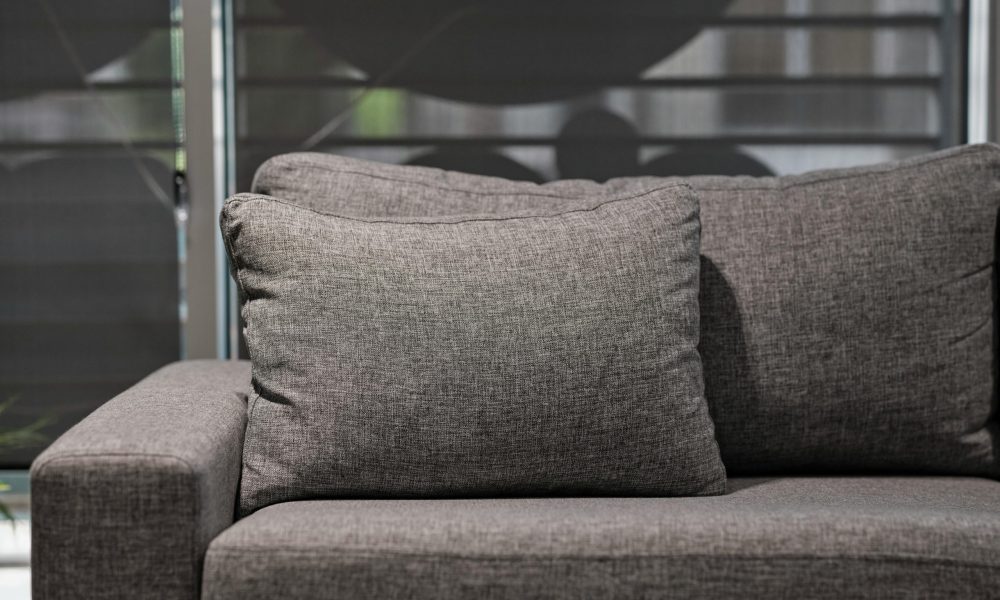
People need to understand that fabric selection for home furniture needs to be studied because it has more impact than they think. The process of selecting the right fabric for outdoor furniture and indoor furniture needs through different fabric options which people must understand. Each fabric type exists to fulfill certain requirements, which include both strength and user experience. Fabric serves as the primary element that determines how luxury furniture, bedroom designs, and living room style and furniture store selections will show their complete visual appearance.
Understanding Indoor Fabric
Indoor fabrics exist to provide users with comfortable materials that display attractive patterns. The materials find common application on various furniture items, which include sofas, upholstered beds, dining chairs, and accent pieces. The most common indoor materials which people use in their homes include cotton and linen, velvet and chenille, and silk blends and polyester upholstery fabrics.
The main focus of indoor fabric is softness and aesthetics. People select these textiles for their bedroom designs because they want to achieve both comfort and elegance. The atmosphere becomes comfortable but sophisticated when people use velvet or linen headboards because they create an elegant yet soothing environment, which soft woven fabrics provide.
People need to understand that indoor fabrics do not possess the strength to endure tough outdoor conditions. Prolonging direct sunlight exposure results in color fading, while moisture exposure leads to mildew growth and staining. The majority of indoor fabrics today offer stain resistance, but they need specific environmental conditions to work effectively.
What Makes Outdoor Fabric Different?
Outdoor fabrics are specifically engineered to handle environmental stress. The materials for these products are created from synthetic fibers, which include solution-dyed acrylic, olefin, and polyester. These fibers provide protection against moisture, mold and mildew, and ultraviolet radiation.
Outdoor fabrics use tight weaving techniques, which combine with protective coatings to create water-resistant and durable materials. The products maintain their original color and structural integrity when exposed to rain and sunlight, humid conditions, and temperature shifts.
The durability of these products makes them suitable for usage on patios and balconies, poolside areas, and garden spaces. Modern advancements have made outdoor materials feel softer than they did in the past, which creates better comfort than indoor materials provide.
Key Differences in Performance
The two materials have different levels of durability when compared to each other. Indoor fabrics provide comfort for users, whereas outdoor fabrics are designed to withstand various environmental conditions. Indoor materials will deteriorate quickly when they are used in outdoor environments. Indoor use of outdoor fabrics results in a firmer feel, yet they provide better stain protection, which makes them suitable for homes with heavy foot traffic.
Outdoor fabrics require less effort to maintain because they only need basic cleaning with mild soap and water. Indoor fabrics require special cleaning methods, which depend on their specific material composition.
Color retention is another factor. Outdoor textiles are manufactured with UV-resistant technology, helping maintain vibrancy over time. This innovation has transformed contemporary living room design because modern homeowners desire fabrics that withstand daily use and sunlight damage.
Using outdoor fabric inside?
Funny how often you see it now – homes with kids and dogs are leaning hard into performance fabrics. These textiles handle messes without looking cheap, staying sharp even when life gets loud. Style sticks around, even with spills or scratches tagging along. Modern rooms pull it off like they were built for chaos.
Nowadays, luxury furniture makers choose fabrics that feel soft but stand up to daily wear. Instead of just looking expensive, these textiles fight stains and sunlight damage without losing their appeal. Comfort meets toughness where rich textures stay fresh longer. Even after years, they keep a polished look that people want in fine homes.
Selecting Suitable Fabric Based on Use
Pick fabric based on location first, then usage. What sits inside often looks finer, feels softer, and lives in calm rooms. Sunlight changes everything – so do kids, pets, and constant movement. Tough materials handle chaos, resist fading, and keep going when life spills onto them. Looks matter less once wear begins shaping what works.
Stepping into a well-known furniture shop gives you the chance to feel different surfaces, sit down to check how cozy things really are, and then judge if they’ll hold up over time. Instead of guessing, grab sample bits of fabric to see how colors shift when lit by your own lamps at home.
A few extra dollars might show up on the bill when picking outdoor or performance textiles – built tougher, they tend to last longer. That stretch in lifespan? It usually makes the higher price feel fair.
Final Thoughts
Picking the right fabric means knowing what stays soft inside versus what withstands the weather outside. One thrives on touch and look, while the other laughs at sun, rain, or stains. Step into any luxury furniture shop and choices unfold – bedding that feels like clouds, seating that shapes how your main room lives.




