
In Louisiana, storm season is no longer an occasional disruption that homeowners talk about for a week and then forget. For many households, severe weather has become a recurring factor that influences maintenance plans, budgeting, insurance decisions, and even real estate expectations. The roof, once treated only when leaks appear, is increasingly viewed as a system that requires monitoring, documentation, and periodic professional evaluation.

This shift is driven by a simple reality. Repeated exposure to high wind, hail, heavy rain, and flying debris does not always produce dramatic damage in a single event, but it can weaken roofing components over time. Shingle seals can fail without visible damage. Flashing can loosen slightly. Underlayment can be stressed. Fasteners can shift. Many homeowners are learning that what appears to be a roof that made it through the storm may actually be accumulating risk.
From reactive repairs to preventative inspections
For years, the standard homeowner pattern was reactive. A leak appears, a stain spreads across a ceiling, then a roofer is called. In storm-prone regions, that approach can be expensive because the first visible sign of trouble may arrive after moisture has already damaged insulation, drywall, or decking. As more homeowners experience delayed leak discovery, inspections are moving earlier in the timeline.
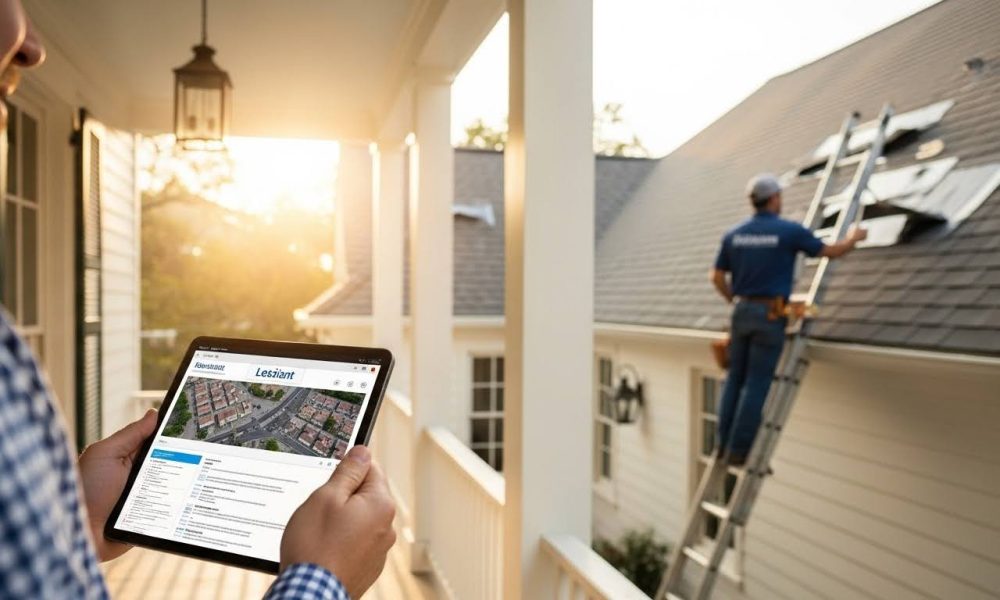
Roofing professionals across the state report that more homeowners are scheduling inspections after severe weather, even when they do not see apparent damage from the ground. In practical terms, this means treating inspections as part of storm recovery, similar to checking a generator or inspecting fence lines. The goal is not to find problems that do not exist. The goal is to identify minor vulnerabilities before they turn into major repairs.

The roof is becoming an insurance issue, not just a construction issue
Insurance pressures have helped accelerate this change. As underwriting standards tighten and carriers pay closer attention to roof age and condition, homeowners are more aware that roof maintenance affects more than comfort. It can influence eligibility, premiums, deductibles, and the ease of filing claims after storms.
Many homeowners have learned that documentation matters. A record of inspections, repairs, and maintenance can support the idea that the roof was in good condition before a storm. That can reduce disputes about whether a claim relates to storm impacts or to wear and tear. It can also help homeowners understand what to repair promptly versus what to monitor over time.
Why repeated storms change the math
One storm can damage a roof. Several storms in a season can shorten a roof’s lifespan even if no single event is catastrophic. The cumulative impact is often what catches homeowners off guard. A roof can survive wind events but lose the sealing strength that keeps water out. It can withstand hail but loses protective granules, reducing its longevity. It can rain for months and then fail suddenly during a later storm because earlier stressors weakened critical components.
Homeowners are responding by adopting a risk-management approach. Instead of asking only whether the roof is leaking today, they ask whether it is more vulnerable than last season and whether a modest repair now could prevent a more expensive replacement later.
The first 24 hours are now part of long-term maintenance planning
Storm response is increasingly seen as part of a maintenance strategy. The first day after a storm is when homeowners can preserve the most helpful evidence and prevent secondary damage. That mindset links immediate actions, such as safe documentation and temporary mitigation, to long-term decisions about repair and replacement timing.
An example of this broader approach is the Origin analysis After the Storm: How Louisiana Homeowners Can Protect Their Roof, Their Claim, and Their Long-Term Property Value, which outlines how early documentation, timely reporting, and professional inspection can influence not only repair outcomes but also insurance clarity and long-term property value. The analysis frames storm season as a cycle of decisions rather than a one-off emergency.
Contractor availability and repair queues are shaping behavior.
After significant storms, the roofing market often experiences spikes in demand. Homeowners who wait weeks to schedule an inspection may find fewer options and longer timelines. In some cases, delays allow minor damage to worsen while households are still trying to secure an appointment. These capacity constraints have made earlier scheduling more attractive, especially for homeowners who have experienced long repair queues in the past.
This is another reason inspections are happening sooner. When homeowners get on a professional’s calendar early, they may have more flexibility and more time to evaluate options. Even if the inspection confirms only minor issues, the homeowner gains certainty while the information is most actionable.
Maintenance expectations are shifting in the real estate market.
Roof condition has always mattered in home sales, but storm risk has increased the attention it receives. Buyers want to know the roof’s age, whether it has been repaired, and whether it has a record of storm-related inspections. Sellers who can provide clear documentation often reduce negotiation friction. In storm-prone regions, proof of upkeep can signal that a home has been managed carefully, not just cosmetically improved.
In some cases, lenders and insurers also influence these expectations. When carriers request proof of roof age or require repairs as a condition of coverage, roof maintenance becomes part of the financial infrastructure of homeownership. That reality encourages homeowners to keep better records and to treat inspections as usual rather than exceptional.
What homeowners are doing differently now
Across Louisiana, several patterns are emerging. Homeowners are taking more photos after storms and keeping them. They are saving receipts for emergency mitigation materials and for minor repairs. They are scheduling professional inspections sooner and requesting written reports that clarify the findings. They are also asking more questions about ventilation, flashing, and underlayment, components that matter for performance but are easy to overlook when the focus is only on shingles.
Some homeowners are also adjusting their maintenance calendars. Instead of waiting for annual checkups, they align inspections with the storm cycle, especially after hail events or periods of sustained high winds. This approach mirrors how coastal communities treat hurricane readiness, with inspections serving as a routine part of resilience planning.
A roof is increasingly seen as a system to monitor
The larger trend is a shift in mindset. A roof is no longer treated as a static layer that either works or fails. It is treated as a system that can degrade in ways that are not immediately visible. In storm-exposed regions, this is a more realistic model. It accounts for cumulative stress, hidden vulnerabilities, and practical constraints related to contractor availability and insurance requirements.
As storm season continues to shape homeowner behavior, roof maintenance is likely to keep moving toward more frequent inspections, better documentation, and earlier mitigation. The aim is not to overreact to every storm. The aim is to respond consistently and intelligently, reducing long-term cost and uncertainty.