
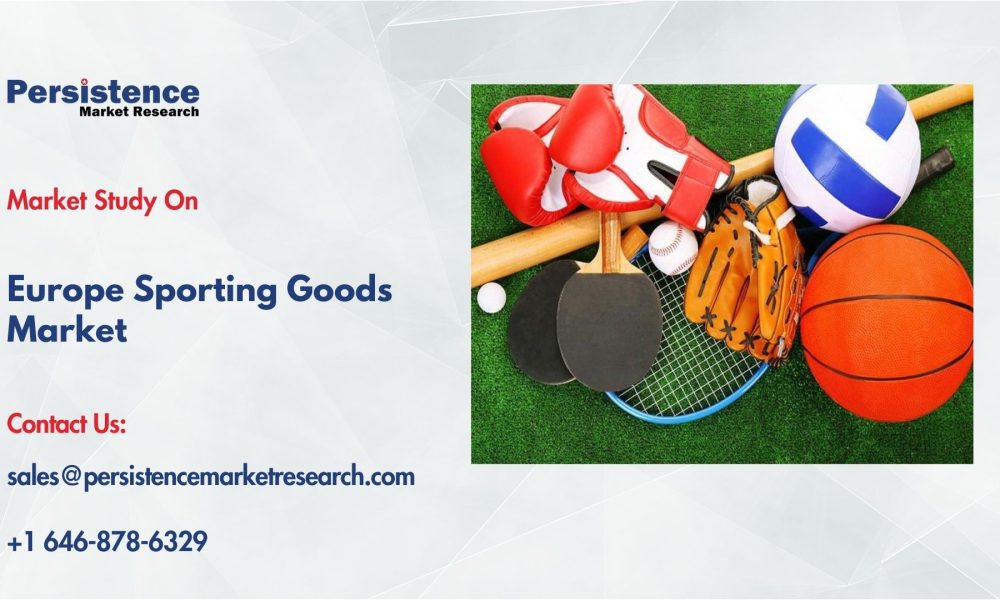
The sporting goods market in Europe is poised for significant expansion over the forecast period, reflecting a strong alignment between consumer demand, industry innovation, and evolving lifestyle trends. Valued at US$ 226.5 billion in 2025, the market is projected to reach US$ 391.7 billion by 2032. This remarkable growth translates into a compound annual growth rate (CAGR) of 8.1% between 2025 and 2032. The rise in participation across fitness activities, recreational sports, and professional events continues to underpin the sector’s development, alongside growing awareness of the importance of health and wellness in daily life.
Several key factors are driving this growth trajectory. Increasing government initiatives that encourage physical activity, expanding sports infrastructure, and greater spending on leisure activities are broadening the consumer base. Furthermore, the fusion of technology with sporting goods—ranging from smart wearables to AI-powered performance trackers—has transformed how individuals engage with fitness and sports. Rising disposable incomes and an expanding urban middle-class population further strengthen the market outlook, making Europe one of the most dynamic regions globally in this sector.
Why is the Sporting Goods Market Growing So Rapidly in Europe?
The sporting goods market in Europe is witnessing rapid growth due to rising consumer interest in health and fitness, government policies promoting active lifestyles, and technological innovations that enhance sports participation. Additionally, the increasing influence of athleisure fashion and digital fitness platforms is driving demand across both traditional and non-traditional consumer groups.
Segmentation Analysis
By Type
The European sporting goods market can be segmented into equipment, apparel, and footwear. Among these, sporting apparel currently dominates, fueled by the surge in athleisure fashion that blends casual wear with performance gear. Consumers increasingly seek multifunctional sportswear that can transition from gyms to casual settings, strengthening demand across demographics. However, footwear is anticipated to witness the fastest growth during the forecast period, largely due to advancements in performance-driven shoe designs, heightened popularity of running and cycling, and collaborations between global footwear brands and sporting leagues. Equipment, while more niche, remains essential in supporting professional training and recreational sports, particularly with the expansion of specialized gyms and home fitness setups.
By Product Type
Within product categories, gym and fitness equipment lead due to the growing preference for home-based workouts and personalized fitness routines. Digitalization has allowed fitness equipment manufacturers to integrate features like connected apps, real-time tracking, and AI-based coaching, which resonate strongly with consumers who value customization and convenience. Outdoor sports equipment, such as bicycles, skis, and water sports gear, also exhibit steady growth, buoyed by rising tourism activities and increased participation in adventure and recreational sports.
Request Sample Copy of Report: https://www.persistencemarketresearch.com/samples/12034
By Channel
The distribution channel plays a critical role in shaping consumer behavior. Online retail is witnessing an accelerated surge, driven by e-commerce penetration, improved delivery networks, and personalized digital marketing strategies. The convenience of browsing a vast range of products, coupled with price competitiveness and the integration of augmented reality (AR) to simulate product use, is bolstering online adoption. Nevertheless, brick-and-mortar outlets continue to remain relevant, especially flagship stores that allow immersive brand experiences and hands-on product trials, bridging the gap between online convenience and physical engagement.
Regional Insights
Europe, as a region, demonstrates remarkable diversity in sporting culture and consumer behavior. Western Europe remains the leading market, dominated by countries such as Germany, the United Kingdom, and France. These nations exhibit strong sports infrastructure, high disposable incomes, and widespread interest in both recreational and professional sports, making them central to market expansion.
Eastern Europe is emerging as the fastest-growing region within Europe’s sporting goods market. Rising urbanization, improving economic conditions, and government-led initiatives to develop sports infrastructure have stimulated demand. Countries such as Poland, Hungary, and the Czech Republic are investing in athletic development and public fitness programs, offering significant opportunities for manufacturers and distributors to expand. The growing popularity of international sporting events hosted in this sub-region further enhances market visibility and consumer adoption.
Do You Have Any Query or Specific Requirement? Request Customization of Report: https://www.persistencemarketresearch.com/request-customization/12034
Unique Features and Innovations in the Market
The European sporting goods market stands apart due to its integration of advanced technologies and innovative product designs. Smart sporting goods—ranging from connected fitness machines to AI-powered training applications—are redefining user engagement. Wearables equipped with sensors can monitor metrics such as heart rate, calorie burn, and performance levels, offering real-time insights that drive personalized training outcomes.
Additionally, the application of Internet of Things (IoT) technology in equipment ensures seamless connectivity with apps and platforms, enhancing the user experience. The adoption of sustainable practices also sets Europe apart, with brands increasingly turning to eco-friendly materials, recycled fibers, and carbon-neutral production processes. These innovations not only meet the expectations of environmentally conscious consumers but also align with stringent European Union sustainability regulations.
Market Highlights
Several factors explain why businesses and consumers across Europe are increasingly adopting modern sporting goods solutions. A major driver is the rise in preventive healthcare, where governments and individuals alike emphasize active lifestyles to curb lifestyle-related diseases. At the same time, cost reduction through technological innovation allows brands to provide affordable yet high-quality solutions, broadening accessibility. Sustainability has emerged as a cornerstone, with eco-friendly sporting goods gaining traction across the region. Regulations enforcing environmentally responsible production are reshaping industry practices, fostering a circular economy within the sporting goods sector.
Key Players and Competitive Landscape
The Europe sporting goods market is characterized by intense competition among global giants and regional players alike. Nike, Adidas, Puma, and Decathlon are among the most influential companies shaping the landscape. Nike continues to focus on product innovation, leveraging smart technology and sustainability in its collections to appeal to a broad consumer base. Adidas is strengthening its presence through strategic collaborations and eco-conscious manufacturing, with initiatives such as producing shoes from ocean plastics. Puma, on the other hand, is targeting younger demographics with fashion-forward designs and digital marketing campaigns, blending sports functionality with streetwear appeal. Decathlon remains a dominant force in Europe through its extensive retail footprint, offering a wide range of affordable sporting goods and tapping into e-commerce growth.
Smaller but influential companies such as Under Armour and Asics are carving niches through specialized offerings in performance gear and footwear, while regional manufacturers are capitalizing on local sports culture and preferences to maintain competitive relevance. The industry landscape is marked by continuous innovation, strong branding, and increasing cross-sector collaborations with fitness technology providers, fashion brands, and digital platforms.
Outlook
The sporting goods market in Europe is on a firm upward trajectory, supported by consumer health consciousness, growing participation in sports, and technological advancements. As digitalization and sustainability become central themes, opportunities for further expansion are substantial. The integration of smart wearables, AI-powered coaching tools, and eco-friendly designs will shape future demand, while government-backed initiatives will continue to promote active living across the region.
By 2032, Europe’s sporting goods sector is expected to transform into a highly interconnected, sustainable, and consumer-driven marketplace. Businesses that focus on innovation, digital engagement, and sustainability will be best positioned to capitalize on the immense opportunities presented by this dynamic industry.
Explore the Latest Trending Research Reports:




