
Market Overview
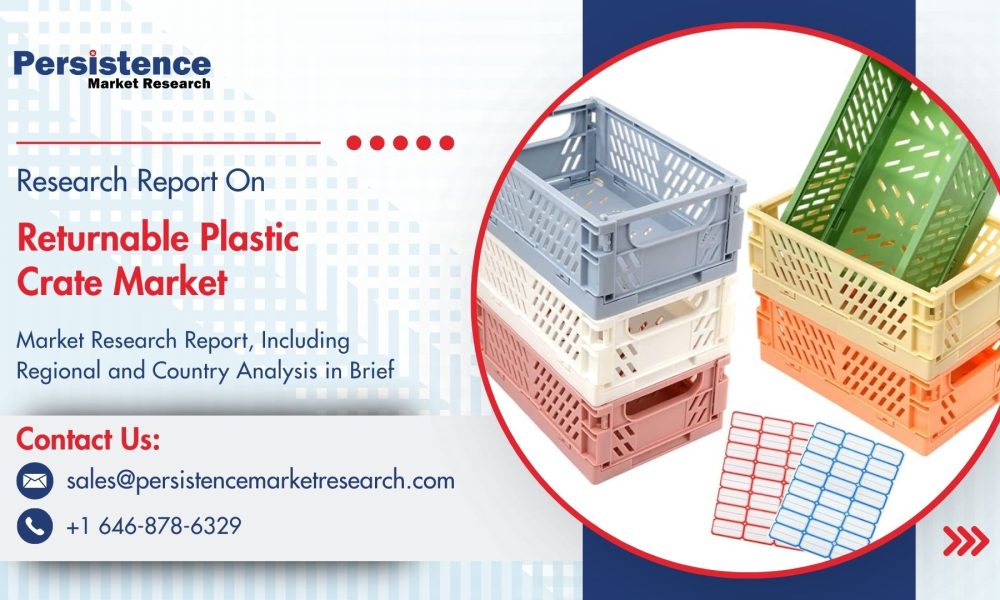
The global returnable plastic crate market is witnessing steady growth, driven by the increasing adoption of sustainable packaging solutions and the growing emphasis on supply chain efficiency across various industries. According to the latest study by Persistence Market Research, the market is projected to expand from US$1,820.0 million in 2023 to US$2,665.1 million by 2030, growing at a CAGR of 5.6% during the forecast period. Returnable plastic crates, designed for multiple-use transportation and storage of goods, offer advantages such as durability, hygiene, and reduced environmental impact, which make them increasingly popular in sectors like food and beverage, pharmaceuticals, retail, and logistics.
The adoption of RPCs is largely influenced by their role in promoting circular economy principles, reducing single-use packaging waste, and optimizing storage and transportation processes. These crates are made from robust plastic materials that ensure repeated usage without compromising product safety. Their stackable and modular design also facilitates efficient handling and minimizes storage space requirements. Increasing demand from fresh produce, dairy, bakery, and beverage sectors underscores the versatility of RPCs in maintaining product quality during transportation.
Get a Sample PDF Brochure of the Report (Use Corporate Email ID for a Quick Response): https://www.persistencemarketresearch.com/samples/33882
Key Market Drivers
The primary driver of the returnable plastic crate market is the rising awareness of environmental sustainability and the growing need to reduce carbon footprints in logistics and packaging. With increasing regulatory pressures on plastic waste management and the adoption of eco-friendly packaging solutions, industries are shifting from disposable packaging to durable and reusable alternatives like RPCs.
The growth of organized retail and e-commerce has further accelerated the adoption of returnable plastic crates. Retailers and suppliers are seeking efficient solutions for inventory management, safe transportation, and product presentation, particularly for perishable goods. The need to prevent product damage, reduce handling costs, and improve supply chain efficiency has made RPCs a preferred choice across global markets.
Another contributing factor is the rising demand for hygienic packaging solutions, especially in food and pharmaceuticals. Returnable plastic crates are easier to clean, sanitize, and reuse compared to traditional wooden or cardboard crates, which enhances safety standards and aligns with stringent regulatory requirements. Furthermore, the increasing adoption of automation and smart logistics solutions is driving the integration of RPCs into modern supply chain systems.
Market Challenges
Despite the promising growth prospects, the returnable plastic crate market faces certain challenges. High initial investment costs associated with purchasing RPCs, along with infrastructure requirements for collection, cleaning, and redistribution, can be a barrier for small and medium-sized enterprises. Additionally, managing the reverse logistics process effectively requires significant operational planning and coordination, which can increase operational complexity.
Competition from alternative packaging solutions, such as cardboard boxes and disposable crates, particularly in regions with limited awareness about the environmental benefits of RPCs, may also hinder market expansion. Moreover, fluctuations in raw material prices, especially plastics derived from petroleum, can impact production costs and profitability for manufacturers. Addressing these challenges necessitates technological innovation, strategic collaborations, and awareness campaigns to highlight the long-term benefits of returnable plastic crates.
Market Opportunities
The returnable plastic crate market presents numerous growth opportunities driven by the increasing adoption of sustainable practices and efficiency-focused supply chain strategies. Emerging economies in Asia-Pacific, Latin America, and the Middle East are witnessing rapid growth in organized retail, food processing, and e-commerce, which is expected to fuel RPC demand. Countries such as India, China, Brazil, and Mexico are investing heavily in modern packaging and logistics infrastructure, creating a favorable environment for RPC market expansion.
Technological advancements in material science are also enabling the development of lightweight, durable, and eco-friendly crates that are more cost-effective and environmentally sustainable. Integration with smart logistics systems, such as RFID tracking and IoT-enabled crates, offers enhanced inventory visibility, traceability, and process optimization, further driving adoption across industries. In addition, collaborations between RPC manufacturers and large retail chains or food processing companies provide opportunities for co-developed packaging solutions tailored to specific requirements.
The increasing focus on reducing plastic waste through circular economy models and extended producer responsibility initiatives is expected to reinforce the adoption of reusable crates. With consumers and businesses becoming more conscious of sustainability, companies offering RPC solutions can capitalize on this trend to strengthen brand positioning and meet regulatory compliance.
Regional Insights
Regionally, Europe and North America currently lead the returnable plastic crate market, driven by the presence of well-established retail and food supply chains, high environmental awareness, and stringent regulations on packaging waste. Germany, the Netherlands, and the United States are at the forefront of implementing sustainable logistics solutions, leveraging RPCs to minimize product damage and reduce single-use packaging.
Asia-Pacific is expected to witness the fastest growth over the forecast period, fueled by expanding organized retail, rapid urbanization, and rising e-commerce penetration in countries like India, China, and Japan. Investments in cold chain infrastructure and modern logistics systems in these regions further support RPC adoption. Latin America and the Middle East & Africa also offer opportunities for market growth due to increasing demand for packaged food products and a gradual shift toward sustainable packaging practices.
For Customized Insights on Segments, Regions, or Competitors, Request Personalized Purchase Options @ https://www.persistencemarketresearch.com/request-customization/33882
Company Insights
The competitive landscape of the returnable plastic crate market is characterized by a mix of multinational corporations and regional players focusing on product innovation, supply chain optimization, and strategic partnerships. Key market participants are actively expanding production capacities and developing eco-friendly and lightweight crate solutions to meet growing demand.
✦ Schoeller Allibert Group
✦ IFCO Systems
✦ Cabka Group
✦ Orbis Corporation
✦ Polymer Logistics
✦ Rehrig Pacific Company
✦ Loscam
✦ Curver Group
✦ Brambles Limited
✦ RPC Group Plc
These companies leverage strategies such as mergers and acquisitions, collaborations with retailers and food processors, and investment in R&D to maintain competitive advantage. Additionally, initiatives focusing on recycling programs, material optimization, and smart crate solutions contribute to sustainable growth and customer loyalty.
Future Outlook
The returnable plastic crate market is poised for sustained growth over the forecast period, driven by increasing awareness of environmental sustainability, efficiency in supply chains, and technological advancements in logistics. As more industries adopt circular economy principles, the demand for durable, reusable, and hygienic packaging solutions like RPCs is expected to rise.
Technological innovations, such as IoT-enabled crates and improved materials, will enhance traceability, reduce operational costs, and improve product handling, further strengthening market potential. The expansion of organized retail, e-commerce, and food processing sectors, particularly in emerging economies, will create significant opportunities for manufacturers and suppliers.
Overall, the market is set to grow from US$1,820.0 million in 2023 to US$2,665.1 million by 2030, reflecting a CAGR of 5.6%. With growing consumer preference for sustainable packaging, coupled with regulatory support and increasing supply chain optimization initiatives, the returnable plastic crate market is well-positioned for long-term growth and innovation.
Explore the Latest Trending Research Reports:




