
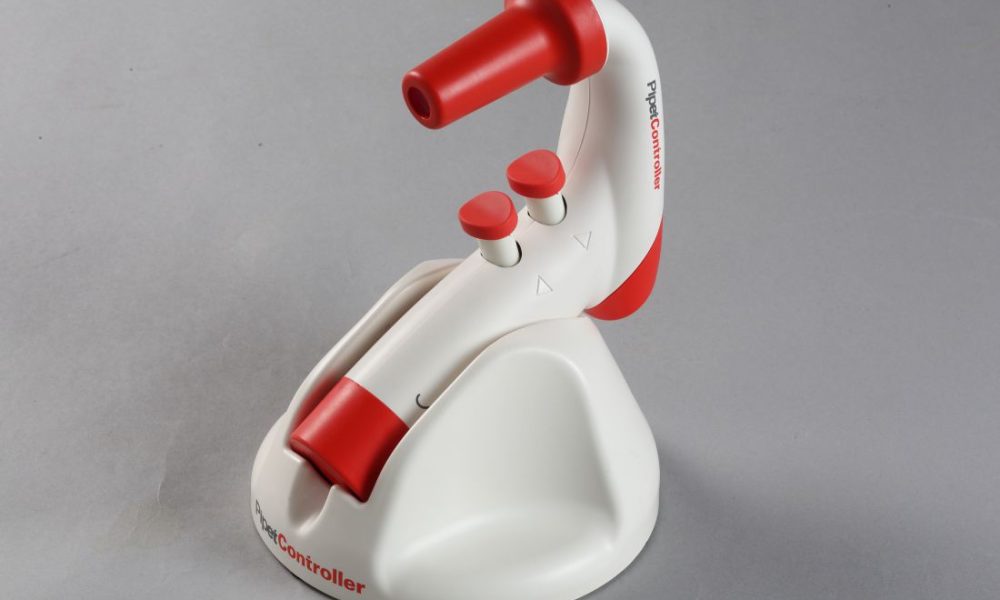
The global pipette controller market is experiencing steady growth, driven by increasing demand across research, clinical, and diagnostic laboratories. A pipette controller, essential in precise liquid handling, is widely used in analytical chemistry, molecular biology, and biochemistry. It allows researchers to aspirate and dispense liquids efficiently, ensuring repeatability, accuracy, and enhanced laboratory productivity. Ergonomic designs, variable speed controls, and user-friendly interfaces have made pipette controllers an indispensable tool in modern laboratories. With advancements in automation and lab workflow optimization, these devices are becoming increasingly sophisticated, facilitating complex experiments in biotechnology, pharmaceuticals, and life sciences research.
The market was valued at US$198.3 million in 2023 and is projected to reach US$257.5 million by 2030, growing at a CAGR of 3.8% from 2023 to 2030. Historically, the market grew at a CAGR of 2.4% between 2018 and 2022, reflecting a steady yet moderate expansion. Key growth drivers include the rising adoption of automated liquid handling systems, increasing R&D expenditure in biotech and pharma sectors, and the growing emphasis on precision and reproducibility in laboratory operations. Among product segments, electronic pipette controllers are emerging as a leading category due to their higher accuracy and compatibility with high-throughput workflows. Geographically, North America remains the largest market, attributed to its advanced healthcare infrastructure, well-funded research institutions, and high adoption of modern laboratory technologies. Meanwhile, South Asia and Oceania are the fastest-growing regions, fueled by rising investments in biotech and pharma research, as well as strategic collaborations that encourage technology adoption.
Download Your Free Sample & Explore Key Insights: https://www.persistencemarketresearch.com/samples/
Key Highlights from the Report
• The global pipette controller market is projected to reach US$257.5 million by 2030.
• The market is expected to grow at a CAGR of 3.8% between 2023 and 2030.
• North America holds the largest market share due to advanced research infrastructure.
• South Asia and Oceania exhibit the fastest growth due to increased R&D investments.
• Electronic pipette controllers are gaining prominence for high-throughput applications.
• Increasing laboratory automation is driving the adoption of advanced pipette controllers.
Market Segmentation
The pipette controller market can be segmented by product type, end-user, and operational functionality. By product type, single-chamber pipette controllers dominate due to their simplicity and affordability, making them suitable for routine laboratory applications. Multi-chamber pipette controllers are increasingly preferred in high-throughput laboratories, offering simultaneous liquid handling across multiple channels. In terms of operational mode, mechanical, electrical, manual, and automatic pipette controllers each serve specific needs. Electrical and automatic pipette controllers are witnessing higher adoption as they enhance precision and reduce repetitive strain, especially in research-intensive settings. End-users include hospitals, diagnostic laboratories, research laboratories, and academic and research institutes. Among these, research laboratories and academic institutes lead the demand, driven by the growth of life sciences research, genomics, and pharmaceutical development projects. Hospitals and diagnostic laboratories also contribute significantly, particularly in molecular diagnostics and sample preparation workflows.
Regional Insights
Regionally, North America continues to lead the pipette controller market, supported by well-established healthcare and research infrastructures and strong funding for laboratory modernization. The US and Canada, in particular, are hubs for biotech and pharmaceutical research, further reinforcing market dominance. Europe follows closely, with robust R&D activity in life sciences and strict regulatory standards driving demand for high-precision pipette controllers. East Asia is a rapidly growing market, thanks to the expansion of biotechnology, pharmaceutical manufacturing, and clinical research activities in countries like China, Japan, and South Korea. South Asia and Oceania are emerging as high-growth regions due to increasing investments in healthcare infrastructure, the rising presence of contract research organizations (CROs), and collaborations with international players to enhance access to advanced laboratory instruments. Latin America and the Middle East & Africa, while smaller markets, are gradually expanding as public and private research initiatives increase in these regions.
Get Custom Insights Designed for Your Business: https://www.persistencemarketresearch.com/request-customization/33960
Market Drivers
Several factors are driving the growth of the pipette controller market. Continuous technological advancements in liquid handling systems are reshaping laboratory workflows, offering improved efficiency, ergonomics, and accuracy. Features like touchscreen interfaces, wireless connectivity, and electronic control systems have made pipette controllers more user-friendly and precise. The increasing adoption of automation in laboratory processes further fuels demand, as automated liquid handling requires compatible and reliable pipette controllers. Additionally, the biotechnology and pharmaceutical sectors are witnessing unprecedented growth, with a rising emphasis on drug discovery, genomics, and personalized medicine. These industries require highly accurate liquid handling for tasks such as sample preparation, assay formulation, and molecular biology experiments, directly boosting the need for advanced pipette controllers. Manufacturers that invest in research and development to deliver innovative solutions can capture a significant share of this growing market.
Market Restraints
Despite promising growth, the market faces certain restraints. High initial costs associated with technologically advanced pipette controllers remain a barrier, particularly for smaller laboratories with limited budgets. Sophisticated models often require additional investment in training, maintenance, and calibration, which can deter adoption. Another challenge is the lack of standardization across laboratories, which can complicate the integration of new pipette controllers with existing workflows and automated systems. Compatibility issues and differing specifications among manufacturers further hinder seamless deployment. Overcoming these challenges requires industry-wide collaboration on standards, affordable pricing strategies, and effective training programs to ensure smooth adoption and maximize market penetration.
Market Opportunities
The pipette controller market presents several opportunities for growth. The increasing trend toward laboratory automation is a key driver, as automated liquid handling systems demand reliable and precise pipette controllers. Developers can capitalize on this by designing products that integrate seamlessly with robotic systems and high-throughput workflows. The expansion of life sciences research, including genomics, proteomics, and cell biology, is creating new applications for pipette controllers, such as DNA sequencing, PCR, and cell culture. Manufacturers that offer customizable, ergonomic, and contamination-resistant controllers will find opportunities to meet specialized research requirements. Additionally, emerging markets in South Asia and Oceania, which are rapidly investing in healthcare and research infrastructure, represent untapped potential for market growth.
Checkout Now & Download Complete Market Report: https://www.persistencemarketresearch.com/checkout/33960
Company Insights
Key players in the pipette controller market include:
• INTEGRA Biosciences AG
• Hamilton Company
• VWR International LLC
• Gilson Incorporated
• Eppendorf AG
• Heathrow Scientific
Recent developments in the market highlight ongoing innovation and adoption trends. The University of Bayreuth’s biophysics research team adopted Integra’s Pipetboy Acu 2 to streamline cell culture workflows, emphasizing efficiency and reliability. Brandtech Scientific unveiled a revised corporate identity in December 2022, strengthening its market presence in North America and enhancing visibility for its laboratory solutions, including pipette controllers. Furthermore, California Seed and Plant Labs began using INTEGRA Biosciences’ VIAFLO 96 and VIAFLO 384 handheld electronic pipettes to optimize nucleic acid extraction and sample processing, demonstrating the importance of advanced pipette controllers in agricultural and plant genetics research.
Conclusion
The pipette controller market is poised for steady growth, driven by technological advancements, the increasing adoption of automated workflows, and expanding applications in biotechnology, pharmaceuticals, and life sciences research. North America remains the largest market, while South Asia and Oceania are emerging as the fastest-growing regions due to heightened investment in healthcare and R&D. Although high costs and standardization challenges may restrain adoption, opportunities in laboratory automation and specialized research applications present significant potential for market expansion. Leading companies are leveraging innovation, strategic partnerships, and regional expansion to capture market share and address evolving customer needs. As laboratories continue to prioritize precision, efficiency, and reproducibility, the demand for sophisticated pipette controllers is expected to remain robust, shaping the future of laboratory liquid handling technology.




