When it comes to upgrading your electrical panel, there are a lot of misconceptions that can lead homeowners to hesitate or avoid necessary improvements. These myths can not only prevent you from ensuring the safety of your home but also lead to more costly repairs down the line. Let’s address some of the most common myths about electrical panel upgrades to help you make informed decisions.
Myth 1: Electrical Panel Upgrades Are Only Necessary for Large Homes
One common misconception is that only large homes require electrical panel upgrades. This myth suggests that if you live in a smaller home or apartment, your current panel should be sufficient. However, the size of your home isn’t the only factor at play. Older homes, regardless of size, often have outdated panels that can’t handle the electrical load of modern appliances, electronics, and air conditioning systems. If your home is over 20 years old, chances are that your panel may not be capable of safely supporting the increasing electrical demands of today’s technology.
Upgrading your electrical panel isn’t just about the size of your home—it’s about making sure that your system is up to code and capable of safely distributing power throughout your home. For this reason, it’s essential to hire a licensed professional for your electrical panel upgrade. Doing so ensures that the job is done safely and in compliance with all necessary regulations. You can order an electrician in Los Angeles on brentwoodelectricalexpert.com to take care of your electrical panel upgrade with the necessary expertise and care.
Myth 2: Electrical Panel Upgrades Are Too Expensive
Another myth is that electrical panel upgrades are prohibitively expensive. While it’s true that the cost of upgrading your electrical panel can vary, it’s important to consider the long-term benefits. A new, modern panel can improve the safety of your home, prevent electrical fires, and accommodate the needs of newer appliances and technology. In some cases, not upgrading your panel could lead to more serious issues, including electrical damage, appliance malfunction, or even fire hazards.
The costs associated with upgrading your electrical panel should be viewed as an investment in the safety and functionality of your home. By choosing to upgrade now, you could potentially avoid much larger repair bills in the future.
Myth 3: Electrical Panel Upgrades Are Quick and Simple
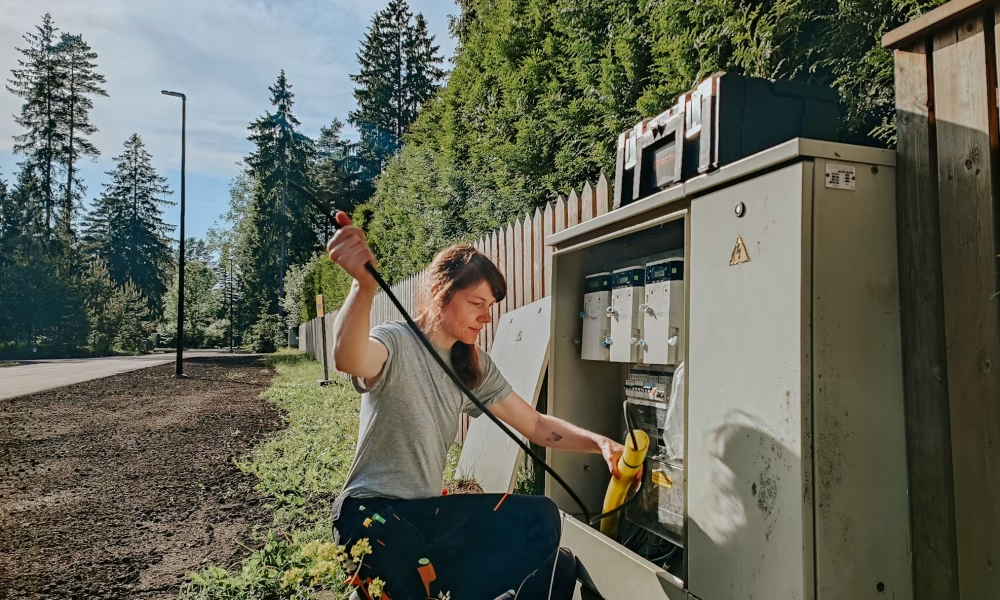
While some DIY projects around the house may be quick and simple, electrical panel upgrades are a different story. Upgrading an electrical panel requires knowledge of both electrical systems and local building codes. It involves not only replacing the old panel but also ensuring that your home’s wiring can handle the increased capacity. Improper installation can lead to a range of safety hazards, including electrical shocks or fires. So, whether you need minor wiring fixes or a full panel upgrade, professional electric home repair services can help ensure that the job is done safely, correctly, and in compliance with local codes.
Electrical panel upgrades are essential for ensuring that your home’s electrical system can safely support modern appliances, technology, and the increased power demand of today’s world. Dispelling these myths can help homeowners make informed decisions and prioritize safety.
Additional Myth: Electrical Panel Upgrades Will Lower Electricity Bills
Many homeowners believe that upgrading their electrical panel will directly result in lower electricity bills. While a new panel can improve safety and efficiency, it does not inherently reduce energy consumption. The purpose of an upgraded electrical panel is to safely distribute power and prevent overloads, not to change how much electricity your household consumes.
However, an upgraded panel can support modern energy-efficient appliances that may help reduce your overall electricity usage. If your home still relies on outdated wiring and an old panel, newer energy-efficient appliances may not operate at their full potential. If you’re looking to lower your electricity bills, consider upgrading to energy-efficient lighting, appliances, and possibly even renewable energy solutions like solar power. An upgraded panel can help accommodate these changes, but the panel itself does not directly reduce electricity costs.
By understanding this distinction, homeowners can make informed decisions about electrical upgrades and other steps needed to improve their home’s energy efficiency.