
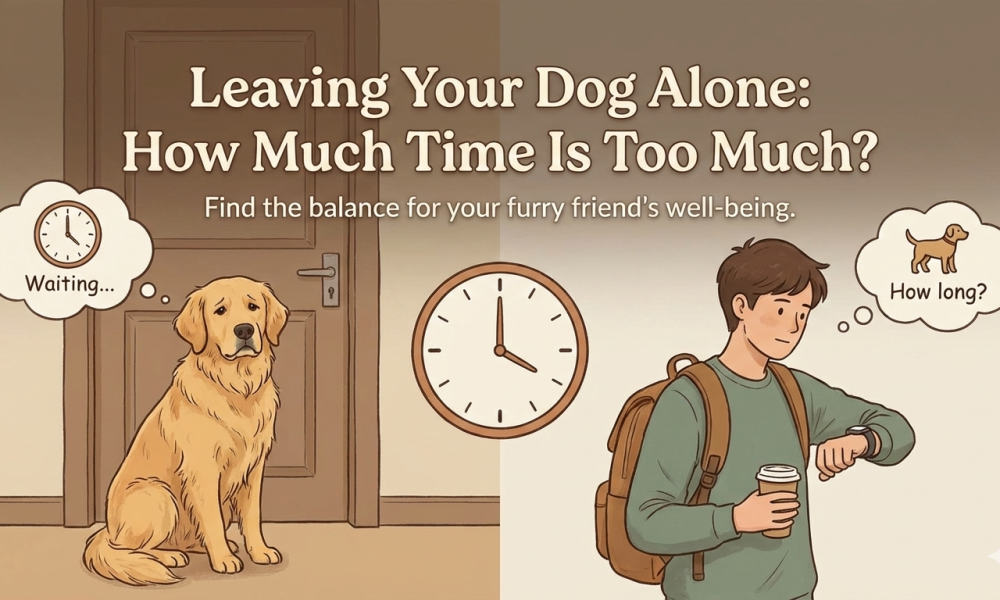
Dogs need care, routine, and attention even when owners are absent. Time alone affects behavior, health, and emotional balance for many dogs. Different ages, breeds, and training levels change how long absence works. Understanding limits helps owners plan care without daily stress. This article clearly and simply explains time limits and care options, including Dog daycare as a practical solution. Planning ahead supports safety, comfort, and stable routines for dogs daily. Dogs thrive when expectations match their physical and mental needs. Clear planning avoids confusion and supports consistent daily care routines.
Puppies Need Shorter Alone Time
Puppies require frequent supervision because bladder control develops gradually early. Long absences can cause anxiety and accidents during early growth stages. Young dogs usually manage one to two hours alone safely. Crate training provides structure and reduces the risk of unsafe behavior. When workdays extend, Dog daycare supports social time and supervision. Consistent schedules help puppies understand expectations and daily rhythm patterns. Skipping breaks may slow training progress and increase stress signals. Short practice absences help puppies build confidence gradually. Positive routines encourage calm behavior during daily owner departures.
Adult Dogs and Daily Absence
Adult dogs handle alone time with support from training and exercise. Most adults manage four to six hours without major issues. Energy levels, breed traits, and habits significantly influence tolerance duration. Mental stimulation before leaving reduces boredom and destructive actions indoors. Midday walks or Dog daycare help active dogs release energy. Ignoring activity needs can lead to barking or chewing problems. Routine departures and arrivals prevent confusion and avoid later anxiety. Breed history, such as working roles, affects endurance alone capacity. Interactive toys provide engagement when humans are away from home.
Senior Dogs Need Special Consideration
Older dogs may struggle with long, quiet periods alone daily. Regular checkups guide owners on safe alone-time limits. Support options include neighbors, walkers, or Dog boarding services. Comfort items and familiar sounds help reduce confusion during absences. Ignoring age-related needs can gradually worsen health challenges. Pain management plans affect comfort during quiet hours and periods alone. Extra visits support hydration and gentle movement needs throughout the day.
Work Schedules and Home Routines
Owners’ schedules significantly affect how long dogs are left alone each day. Predictable routines help dogs feel secure during daily absences. Sudden long shifts can quickly create stress and behavioral setbacks. Planning backup care prevents emergencies when plans change unexpectedly later. Many owners use Dog daycare during extended work commitments. Clear routines support balanced feeding times, walks, and rest. Technology such as cameras helps monitor behavior remotely during off-hours. Consistency among family members prevents mixed signals for dogs. Written plans help backups follow feeding and walking rules correctly.
Travel and Overnight Absence
Travel requires planning because dogs cannot be left alone overnight safely. An extended absence increases the risk of stress and unmet needs daily. Dog boarding offers supervised care during trips or emergency periods. Facilities provide daily feeding schedules, walks, and monitored rest periods. Choosing Dog boarding helps maintain routine and safety during travel. Pre-booking visits helps dogs gradually adjust to new environments. Emergency contacts and instructions support caregivers during trips and absences. Packing familiar items helps dogs settle faster in care settings.
Choosing the Right Care Option
Every dog has unique needs based on health and personality. Owners should compare in-home care and Dog boarding services. Questions about supervision, space, and schedules are critical to safety planning. Some dogs prefer home sitters to busy facility environments. Others benefit from structured Dog boarding with consistent routine support. Trial periods reveal comfort levels before long-term commitments begin. Clear communication with caregivers helps ensure consistent expectations for dogs’ daily care. Review experiences often and adjust plans as needs change over time.
Final Words
Knowing alone time limits protects dog health and emotional balance. Planning care reduces stress for dogs and owners during absences. Using proper services, such as Dog boarding, supports routines during busy schedules consistently today. Thoughtful choices help dogs stay safe and supported every day. Age, health, and routine should guide every care decision. Balanced planning creates calmer homes and happier dogs over the long term.




