
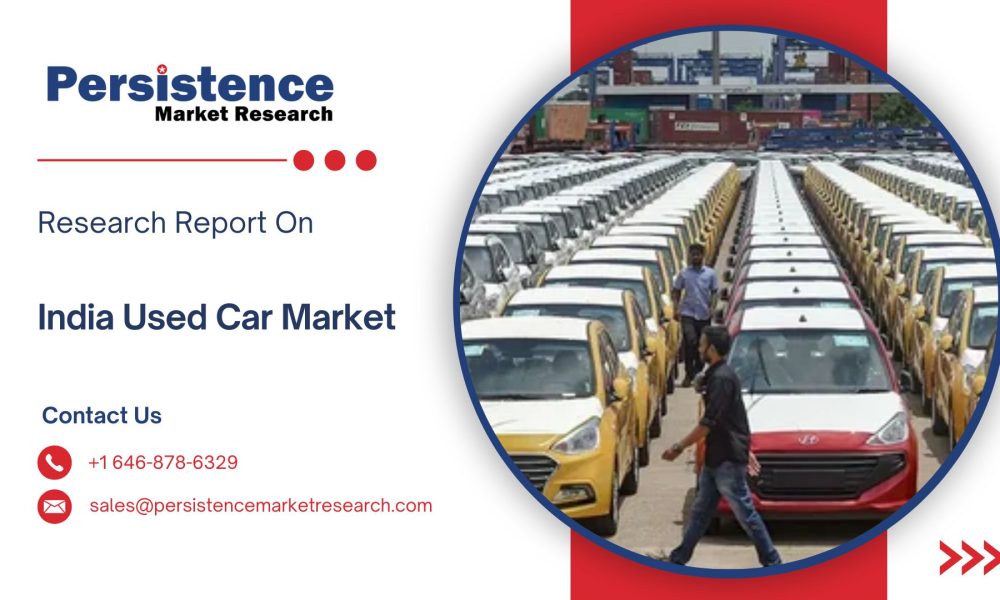
The India used car market is on the cusp of transformative growth, driven by rapid urbanization, rising disposable incomes, and a growing appetite for affordable mobility. According to Persistence Market Research, the market is projected to expand from US$ 32.9 Bn in 2025 to US$ 90.2 Bn by 2032, marking an impressive CAGR of 15.5% during the forecast period. With the middle class expanding and the younger generation prioritizing convenience, the demand for used cars has surged as a viable alternative to expensive new vehicles. This dynamic is reinforced by digitization, as online platforms now facilitate transparency, trust, and faster transactions for buyers and sellers.
Key growth drivers include the easy availability of used car finance, improved vehicle quality standards, and the rising demand for individual mobility post-pandemic. Within the market, the sedan and hatchback segments continue to attract first-time buyers due to their affordability, while SUVs are emerging as the leading growth category thanks to their aspirational appeal and versatility. Geographically, Tier II and Tier III cities dominate the market, primarily due to price-sensitive consumers who prefer cost-effective options without compromising on quality. Meanwhile, metros serve as supply hubs, with many urban owners upgrading vehicles faster, feeding the demand in semi-urban and rural regions.
Get a Sample Copy of Research Report (Use Corporate Mail id for Quick Response): https://www.persistencemarketresearch.com/samples/35243
Key Highlights from the Report
➤ The India used car market will grow from US$ 32.9 Bn in 2025 to US$ 90.2 Bn by 2032.
➤ The market is expected to record a CAGR of 15.5% from 2025 to 2032.
➤ Financing options are boosting affordability and market penetration among young buyers.
➤ Hatchbacks remain the entry-level favorite, while SUVs lead in aspirational purchases.
➤ Tier II and Tier III cities are driving demand, supported by metro-based vehicle supply.
➤ Transaction transparency and digital platforms are improving customer trust.
Market Segmentation
The India used car market is segmented based on product type, including hatchbacks, sedans, SUVs, and luxury cars. Hatchbacks dominate as the entry point for most first-time buyers, particularly those in middle-income households who prioritize fuel efficiency and affordability. Sedans continue to maintain relevance, offering an upgrade path for hatchback users at accessible price points. SUVs, however, represent the fastest-growing category, reflecting a shift in consumer preference toward aspirational ownership, better ground clearance, and spacious interiors. Luxury used cars, while niche, are also witnessing rising traction among urban professionals who prefer high-end features at lower prices compared to new models.
On the demand side, segmentation by customer demographics highlights the strong role of first-time car buyers, who account for a majority share, followed by repeat buyers upgrading to better models. Young professionals and small business owners are especially attracted to certified pre-owned vehicles, given the assurance of warranty and post-sales support. Fleet operators, including cab aggregators, represent another important segment, particularly in urban centers where ride-hailing continues to expand. Together, these customer groups illustrate the breadth of demand fueling the Indian used car ecosystem.
Regional Insights
Regional analysis reveals that North India leads the used car market, with Delhi-NCR emerging as a hub due to high urbanization, greater affordability of finance, and higher vehicle turnover rates. Consumers in this region often upgrade to newer models quickly, feeding supply into semi-urban markets. South India, particularly Bengaluru, Hyderabad, and Chennai, also contributes significantly, driven by tech-savvy consumers and high disposable incomes.
Meanwhile, Tier II and Tier III cities in West and East India are becoming the strongest demand centers, with customers here actively seeking reliable yet affordable mobility. Rural regions are also adopting used cars more quickly, supported by improving road infrastructure and rising income levels. These geographical patterns indicate a future where demand will continue to spread beyond metros, making India’s used car market more inclusive and widespread.
Market Drivers
The primary drivers of the India used car market include affordability, financing accessibility, and evolving consumer preferences. Used cars are significantly less expensive compared to new vehicles, making them highly attractive for middle-income households. The availability of financing options—such as low down payments, competitive interest rates, and flexible repayment terms—has further reduced entry barriers for younger buyers. Growing digitization and the presence of organized platforms offering certified pre-owned vehicles have improved consumer trust, ensuring transparent transactions. Additionally, environmental awareness and vehicle scrappage policies encourage consumers to consider sustainable alternatives like second-hand cars, adding another dimension to market growth.
Market Restraints
Despite strong growth prospects, certain challenges restrain the market. The dominance of the unorganized sector remains a critical issue, as unverified sellers often lack transparency in vehicle history and quality, leading to trust deficits. Financing penetration in rural areas is still limited, making affordability a hurdle for potential customers outside metros. Depreciation rates of vehicles also affect resale value, creating uncertainty among buyers. Moreover, cultural stigma persists in certain consumer groups, where buying a used car is still considered a compromise compared to owning a brand-new model. These restraints highlight areas where policy interventions and further industry consolidation could bring significant improvements.
Market Opportunities
Ample opportunities exist in the India used car market, particularly through digitization, certification programs, and geographic expansion. Online platforms have transformed how used cars are bought and sold, bridging gaps between metros and smaller cities. Companies offering certified pre-owned vehicles with warranties are expected to attract risk-averse buyers. Growth in rural and semi-urban areas presents another untapped opportunity, as consumers here increasingly seek affordable private mobility options. Electric vehicles (EVs) in the used car space are also poised to emerge as a lucrative niche, especially as new EV adoption rises. Together, these factors highlight a promising landscape where organized players can capture significant market share through innovation and trust-building initiatives.
Frequently Asked Questions (FAQs)
➤ How big is the India used car market projected to be by 2032?
➤ What is the CAGR of the India used car market during the forecast period?
➤ Who are the key players operating in the India used car market?
➤ Which region is expected to dominate the used car industry by 2032?
➤ What are the major factors driving demand in the India used car market?
Company Insights
Prominent players in the India used car market include:
- Maruti Suzuki True Value
- Mahindra First Choice Wheels
- Cars24
- OLX Autos
- Spinny
- CarDekho Gaadi
- Droom Technology
- Hyundai H Promise
Recent Developments
- Cars24 expanded its AI-powered car valuation system to more Tier II cities, improving transparency and speed in transactions.
- Spinny announced the launch of fully integrated used car hubs in Bengaluru, offering end-to-end vehicle inspection, certification, and delivery under one roof.
Explore more related market insights and reports by visiting our website.




