
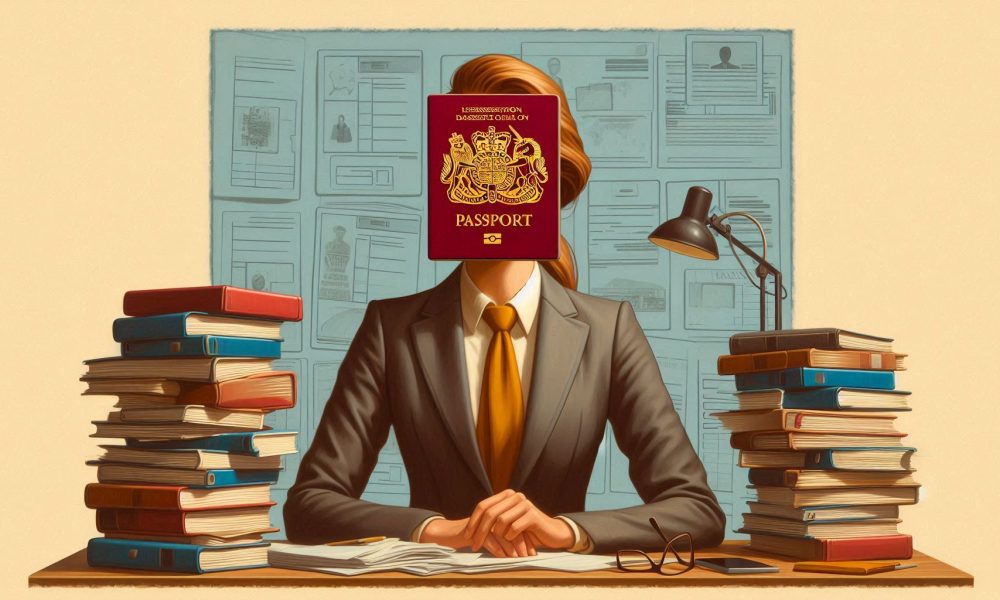
VANCOUVER, July 19, 2025 — In a world where every action leaves a trace—whether it’s a GPS ping, social media check-in, or digital purchase—living anonymously might seem impossible. But history tells a different story. Some of the most elusive figures of the 20th and 21st centuries not only vanished but lived whole lives off the grid. Amicus International Consulting, a global authority in legal identity change and relocation, dives into how fugitives, whistleblowers, and everyday people have successfully disappeared and maintained anonymous lives—and how it’s still possible today through legal means.
From Cold War defectors to modern-day whistleblowers, the desire to vanish and start anew is as old as the concept of identity itself. While the methods have changed, the principles remain: reinvention, discipline, and strategic relocation.
Why People Choose Anonymous Living
Anonymity isn’t reserved for criminals. People from all walks of life seek to disappear for reasons including:
Protection from domestic violence
Escaping political persecution
Financial collapse and social stigma
Overcoming reputational harm
Freedom from digital surveillance or stalking
Amicus International Consulting has experienced a significant increase in these requests. “Contrary to Hollywood portrayals, most of our clients aren’t criminals,” said a legal advisor at the firm. “They’re people who need peace, safety, and a second chance.”
Historical Perspective: What the Past Teaches Us
Long before facial recognition and biometric passports, people vanished through simple yet effective means—changing their names, relocating to new regions, and severing communication with their past. The methods varied by era but often included:
Adopting a new name or alias
Travelling to areas without formal ID requirements
Using physical disguise or profession changes (e.g., becoming a labourer)
Building new personal relationships far from one’s past
Case Study 1: Lord Lucan – The Vanishing Aristocrat
In 1974, Richard John Bingham, the 7th Earl of Lucan, disappeared after being suspected of murder. Despite international searches, he was never officially found. Rumours persist that he lived under protection in Africa or South America. Lord Lucan exemplifies how social status and global networks can facilitate anonymity when leveraged with strategic planning.
Case Study 2: Ronnie Biggs – Fugitive With a Public Life
After escaping prison for his role in the Great Train Robbery, Biggs moved to Australia and then to Brazil. For decades, he lived openly—marrying, having children, and even giving interviews. Brazil’s refusal to extradite him due to his child with a Brazilian woman kept him safe. His case proves anonymity doesn’t always require hiding; sometimes, it’s about being untouchable.
Case Study 3: D.B. Cooper – America’s Phantom Hijacker
In 1971, a man known as D.B. Cooper hijacked a plane, extorted $200,000, and parachuted into the wilderness. He was never found. Despite decades of FBI efforts, his identity remains unknown. Cooper’s case is legendary for demonstrating that a perfectly timed and executed disappearance can confound even the most advanced authorities.
Modern Anonymity: Why It’s More Difficult Today
Unlike the 1970s or 1980s, anonymity in 2025 means fighting biometric systems, borderless databases, and AI-based surveillance.
Common obstacles include:
Facial recognition at airports and malls
Government-linked digital banking
Data brokers selling personal history
Internet-connected smart devices tracking behaviour
Despite these barriers, anonymous living remains feasible for those who are determined and have access to legal guidance.
Modern Tools That Enable Anonymous Living Legally
1. Legal Name Change
Changing your name legally in a privacy-respecting jurisdiction, such as certain U.S. states, the UK, or Canada, can provide a new beginning. The key is to do it transparently through the courts.
2. Second Citizenship or Passport
Citizenship-by-investment (CBI) programs in the Caribbean, Turkey, and parts of Europe offer new legal identities. Countries like St. Kitts & Nevis or Dominica provide passports in under 120 days.
3. Privacy-Conscious Banking
Financial anonymity can be achieved with accounts in privacy-friendly jurisdictions and the use of legal offshore trusts. Combined with crypto wallets or cash economies, it creates a financial ecosystem that is not exposed.
4. Residency by Relocation
Countries such as Panama, Paraguay, and Georgia offer easy and affordable long-term visas. These destinations also have minimal international data sharing, making them attractive to anonymity seekers.
5. Digital Footprint Erasure
Specialized services can assist in removing personal data from:
Search engines
Social networks
Data brokers
Government-accessible commercial databases
Amicus collaborates with data privacy experts to provide customized digital cleanup services.
Case Study 4: The Whistleblower Who Disappeared
A Swiss financial analyst exposed fraudulent practices at a central Investment bank in 2012. Facing legal threats, he moved to St. Lucia under a new identity facilitated through a citizenship-by-investment program. With the help of Amicus, he started a consultancy business under a new name, operating legally and safely.
Case Study 5: The Woman Who Escaped Abuse
After surviving years of domestic violence in Belgium, a woman legally changed her name, relocated to Nicaragua, and started anew as a Spanish teacher. She used a travel visa to enter and then applied for permanent residency. Her abuser was never able to find her, and she lives under complete legal protection with assistance from Amicus’ family protection program.
Case Study 6: The Entrepreneur Rebuilding His Life
An American tech entrepreneur filed for bankruptcy after a failed venture. Humiliated by the media, he moved to Southeast Asia, changed his name legally through marriage, and started a boutique digital agency. Avoiding social media and using encrypted communication helped him stay out of the limelight while rebuilding his life.
Expert Interview: What the Public Gets Wrong About Anonymous Living
Amicus International Consulting spoke with a legal consultant who’s worked on over 300 identity transformation cases globally. According to the expert, three major myths exist:
Myth #1: It’s Illegal to Disappear.
“Legal systems in multiple countries support identity transformation through lawful name changes, second residencies, and data privacy laws. Disappearing is not illegal if you’re not doing it to avoid a crime.”Myth #2: Only Criminals Disappear.
“Many clients are survivors of abuse, harassment, or financial ruin. Anonymity isn’t about hiding; it’s about protecting yourself.”Myth #3: Technology Makes Anonymity Impossible.
“Yes, tech makes it harder, but it also gives new tools. With the right knowledge, you can use technology to become invisible—legally.”
Legal Considerations: What You Must Know
Amicus emphasizes the importance of legality:
Never use forged documents.
Always disclose prior identities to lawyers, not public officials.
Do not use new identities for financial fraud or criminal intent.
Plan long-term housing, healthcare, and work arrangements before changing identity.
Is Anonymous Living Right for You?
Anonymous living isn’t for everyone. It requires:
Emotional detachment from the past
Willingness to relocate and start fresh
Careful financial and legal planning
Absolute discipline with digital exposure
Amicus provides full consultations to determine if you qualify for legal identity change or relocation assistance.
Conclusion: From Fugitives to Freedom Seekers
Throughout history, those who lived anonymously have succeeded due to meticulous preparation, effective legal structuring, and psychological readiness. While the stakes are higher today, the legal tools are better than ever. Whether fleeing abuse, escaping harassment, or starting over after public failure, anonymity in 2025 is no longer about deception—it’s about lawful reinvention.
With the guidance of professionals like those at Amicus International Consulting, anonymity becomes a right, not a risk.
Contact Information
Phone: +1 (604) 200-5402
Email: [email protected]




