
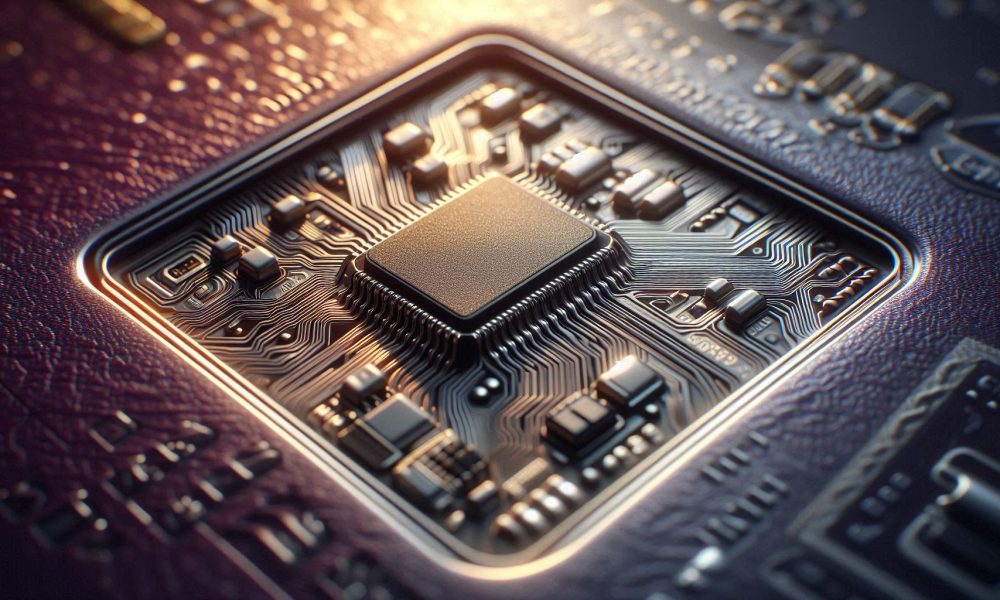
How the modern passport chip stores its identity information, protects it against tampering, and helps authorized border systems verify travelers more quickly during inspection.
WASHINGTON, DC, April 17, 2026.
When people ask how RFID passport chip security works, they are usually trying to understand how a small electronic component inside a modern passport can hold identity data, resist fraud, and still be read quickly by border authorities during inspection without turning the document into a constant public beacon. The clearest official starting point remains the U.S. State Department’s passport guidance, which explains that the chip in a U.S. passport stores the same core information shown on the photo page, a digital version of the passport photograph for facial recognition, a unique chip identification number, and a digital signature designed to help protect the stored data from alteration.
The chip is important, but the chip is only one layer in a much larger passport security system.
A modern biometric passport is not secure simply because it contains RFID technology, but because the physical booklet, the machine-readable text, the printed identity page, the digitally stored chip data, and the issuing government’s authentication methods all reinforce one another during inspection at the border. That layered structure matters because a counterfeit passport now has to survive both visual scrutiny and electronic scrutiny, which makes fraud much harder than it was when officers relied mostly on printed pages, glued photographs, and manual comparison under time pressure.
In practical terms, the passport still looks like a familiar booklet in the traveler’s hand, yet once it reaches a reader, it starts behaving like a hybrid identity document built for both human inspection and machine-assisted verification. The chip adds a second path of confirmation, allowing authorities to compare what is printed on the page with what is electronically stored inside the document and with what appears on the traveler’s face at the inspection point.
What the chip stores are designed for is identity verification and anti-fraud control, not for novelty or convenience alone.
The chip does not exist simply to make the passport seem modern, because the information stored inside it is meant to support a structured check on whether the passport is genuine and whether the person presenting it matches the identity record connected to the document. That is why the digital photograph matters so much, because the chip is not just holding text fields more efficiently, but preserving a biometric reference point that border systems can use for facial comparison.
The digital signature is equally important, even though travelers rarely think about it, because it helps border systems assess whether the stored information appears authentic and unaltered rather than merely readable. In older document systems, a passport that looked visually convincing could sometimes pass if its paper, print, and visible photograph survived quick inspection, while a modern e-passport must also survive a deeper electronic consistency check when the system reads the chip and compares what it finds with what the issuing authority is expected to have placed there.
RFID passport chip security is also about limiting when the chip can be read and by whom.
One of the longest-running public concerns about electronic passports has been the fear that someone nearby could quietly skim the chip without the traveler realizing it, which is why anti-skimming protection became part of passport design early in the e-passport era. The passport chip was never intended to behave like a public broadcasting signal constantly announcing identity information to the surrounding environment, and governments built shielding features into passport design to make unauthorized reading much harder when the passport book is closed or not actively being inspected.
That point matters because public fears about RFID technology often blur together many different kinds of radio-enabled documents, even though the e-passport chip was designed for close-range reading inside a controlled inspection environment rather than for long-range casual scanning in ordinary public spaces. A passport chip is supposed to support a deliberate border-control process, not turn the traveler into a walking transmitter whose identity can be harvested freely by anyone nearby with generic equipment.
The digital photograph turns the passport from a static document into part of a live identity test.
The most visible operational change created by the chip is that a passport is no longer just a booklet with a printed photo for an officer to compare by eye, because the digital image stored inside the document can be used for facial recognition during inspection. That means the passport now participates in a structured identity comparison between the live person standing at the border, the printed photo page, and the electronic record inside the document.
This is one reason the chip matters so much for fraud detection, because identity substitution becomes harder when the system is checking more than whether a printed picture looks roughly plausible under bright lights and time pressure. A fraudulent passport must now survive not only scrutiny of the booklet itself, but also scrutiny of whether the chip data validates correctly and whether the traveler’s face aligns with the biometric record tied to that document.
The broader border environment has moved in the same direction, which is why the passport chip makes more sense when seen as part of a larger ecosystem rather than as a standalone gadget. A Reuters report on expanded facial recognition at U.S. borders shows how modern inspection increasingly links identity documents, face matching, and digital entry-exit systems into one fraud-detection framework.
Fraud detection improves because a modern passport can be checked in several ways at the same time.
An older passport could sometimes succeed as a fraudulent document if the forgery was visually convincing enough and the officer had limited time to inspect it, especially in busy airports where long lines and constant arrivals put real pressure on human attention. A modern e-passport forces a stronger test because the inspection process can look at the physical document, the machine-readable zone, the chip data, the digital signature, and the face of the traveler at roughly the same moment.
That multi-layered inspection is what gives RFID passport chip security real operational value, because it raises the cost and complexity of deception for anyone trying to swap photos, alter identity details, clone document elements, or present a convincing counterfeit. A passport that merely looks right may still fail once the system checks whether its chip behaves the way a genuine passport is supposed to behave under authorized inspection.
The chip still depends on the physical passport, because electronic security cannot rescue a weak booklet on its own.
One of the most important practical realities is that passport security works best when the paper security and the digital security reinforce each other rather than operating as separate worlds. That is why modern passports do not rely only on chips, but also on stronger physical data pages, laser engraving, secure printing, special laminates, and machine-readable design features intended to make physical tampering more visible and less effective.
A secure chip inside a poorly protected booklet would still leave opportunities for fraud, just as a well-printed booklet without stronger digital verification would leave too much weight resting on visual inspection alone. The modern passport works because several security layers tell the same story at once, and that makes the document much harder to fake convincingly in a real border-control setting.
Readers who want a broader background on how these layers fit together can see that same logic in Amicus coverage of electronic passports and e-passport technology and in a separate Amicus explainer on modern passport security features. Both pieces are useful because they frame the chip correctly as one part of a larger anti-fraud system rather than as a magical standalone tool.
The privacy debate remains active because stronger digital passport checks always raise broader questions about data use.
The same technologies that make passport fraud harder can also make travelers uneasy, because chip-based identity storage, facial comparison, and automated border systems inevitably raise questions about who reads the data, how long related information is retained, and how far biometric verification may expand over time. Those concerns are not irrational, because once the chip, the face image, and the border database all become part of the same operational chain, travelers naturally want reassurance that the system will not drift into careless collection, excessive retention, or unnecessary surveillance.
That tension is likely to remain part of the passport-security conversation for years, because governments want faster inspections and stronger fraud control while travelers want stronger privacy guarantees and narrower use of sensitive identity data. The passport chip helps solve one problem very well, namely, how to store and verify identity information securely inside the document, but it does not by itself settle every larger policy question surrounding biometric borders in the digital age.
The clearest explanation is that RFID passport chip security works by making the passport harder to alter, harder to counterfeit, and easier to compare against the person presenting it.
The chip stores core identity information, the digital signature helps show whether the stored data appears authentic and unaltered, shielding features help reduce unauthorized reading when the passport is closed, and the digital facial image helps authorized border systems compare the document to the traveler standing in front of them. Taken together, those elements turn the passport into much more than a printed booklet, because they make it a layered identity credential built for fast, machine-assisted verification during modern border inspection.
That is why RFID passport chip security matters in 2026. The modern passport is no longer just a photograph and a page of text, but a hybrid document designed for an era in which border control depends on digital identity checks, controlled chip reading, facial comparison, and faster fraud detection than paper-only systems were ever able to provide.




