
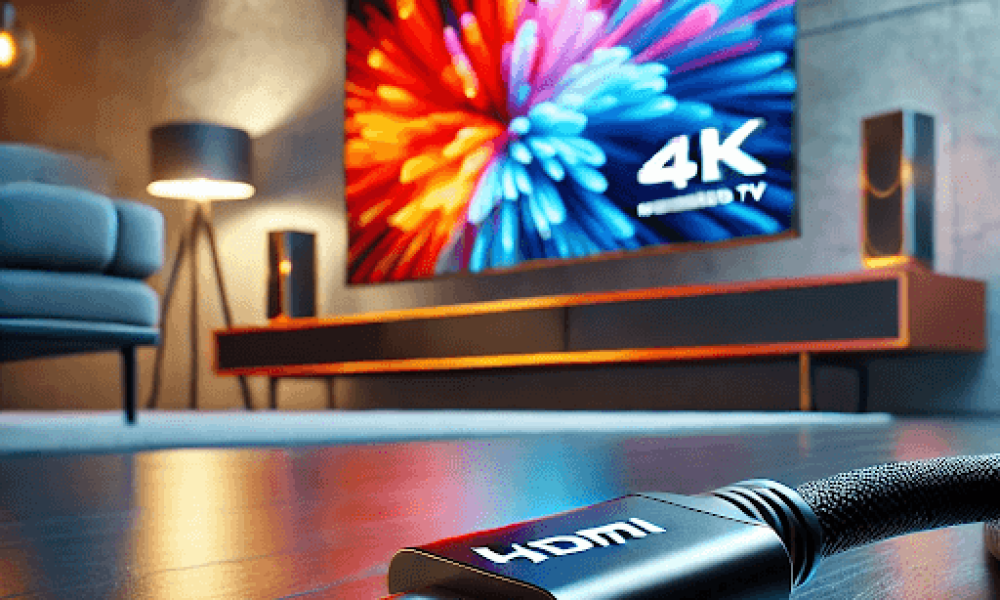
The release of HDMI 2.2 is creating a buzz in the technology world, promising to redefine how devices interact with high-definition content. Designed as the next step in the evolution of the High-Definition Multimedia Interface, HDMI 2.2 introduces a range of features aimed at enhancing video quality, security, and device compatibility. Industry insiders see this update as a critical leap forward, particularly as streaming services and 4K content continue to grow in popularity.
HDMI, first introduced in 2002, has undergone numerous iterations, each bringing advancements in speed, resolution, and color fidelity. HDMI 2.2 stands out by addressing emerging challenges in content protection and high-bandwidth applications. This iteration focuses on ensuring compatibility with the latest media standards, while also introducing advanced security protocols aimed at reducing piracy. As 4K Ultra HD and 8K technologies become mainstream, the importance of a robust, future-proof interface has never been greater.
In a competitive market where HDMI faces alternatives like DisplayPort and Thunderbolt, HDMI 2.2 represents an effort to retain its dominant position. One of its standout features is its improved HDCP (High-bandwidth Digital Content Protection) 2.2 protocol, which aims to safeguard 4K and premium content from unauthorized duplication. This move is particularly critical as media companies invest heavily in high-quality video formats. At the same time, HDMI 2.2 ensures backward compatibility, a feature that has long been a hallmark of the standard and a critical factor in maintaining its widespread adoption.
The HDMI Licensing Administrator, the body responsible for managing and promoting the HDMI standard, emphasizes the strategic vision behind HDMI 2.2. By addressing the needs of content creators, device manufacturers, and end-users, the update balances innovation with usability. Leaders within the organization note that HDMI 2.2 reflects the industry’s shift toward higher resolutions, enhanced audio capabilities, and better security frameworks. It also aligns with trends such as the increasing adoption of HDR (High Dynamic Range) and gaming innovations like variable refresh rates.
However, as promising as HDMI 2.2 appears, it is not without challenges. One major concern is the financial burden placed on consumers and businesses during the transition to the new standard. HDMI 2.2-compliant devices, cables, and accessories often come with a higher price tag, making adoption slower for budget-conscious households and smaller enterprises. For many, upgrading an entire ecosystem of devices—from televisions to sound systems and gaming consoles—requires a significant investment that may not immediately yield noticeable benefits, particularly if current equipment already supports satisfactory performance.
Interoperability poses another significant hurdle. Despite claims of backward compatibility, real-world tests have sometimes shown that older devices may struggle to fully leverage the benefits of HDMI 2.2. Compatibility issues can lead to frustration among consumers, particularly those who mix and match legacy devices with newer HDMI 2.2-compliant hardware. These problems echo the growing pains of previous HDMI updates and highlight the challenge of balancing innovation with practical user needs. For manufacturers, ensuring seamless compatibility across a broad spectrum of devices is an ongoing struggle that may delay widespread adoption.
On the industry side, adoption of HDMI 2.2 is likely to be uneven. While major tech players, including television manufacturers and gaming console makers, have expressed enthusiasm for the new standard, smaller companies may lag behind due to the high costs of retooling production lines and certifying devices. Additionally, competitors such as DisplayPort, which offers features tailored for PC gamers and professional applications, continue to carve out a niche in specific markets. This competition may dilute the impact of HDMI 2.2, particularly in segments where its benefits are less pronounced.
Despite these challenges, the introduction of HDMI 2.2 is expected to benefit multiple sectors, from home entertainment to gaming and professional broadcasting. For consumers, the update promises a seamless experience, with reduced latency and sharper visuals becoming standard across supported devices. Gaming enthusiasts are likely to appreciate the enhanced support for variable refresh rates and quicker response times, making HDMI 2.2 a potential boon for next-generation gaming consoles. For content creators and media companies, the robust anti-piracy measures provide a much-needed safeguard as premium formats like Dolby Vision and IMAX Enhanced gain traction.
In the grand scheme, HDMI 2.2 represents a pivotal moment in the evolution of multimedia interfaces. It offers a blend of cutting-edge features designed to meet the demands of a rapidly advancing digital landscape. While the challenges of adoption and compatibility remain, the long-term benefits of improved security, enhanced quality, and greater functionality make HDMI 2.2 a worthy successor in the HDMI lineage. As the world shifts toward ever-higher standards of visual and audio fidelity, HDMI 2.2 ensures that the interface remains a cornerstone of the connected world.