
Every town has a unique story to tell, but it’s hard for out-of-town visitors to read that story if they don’t know where to look. When travelers arrive in a new city, they rely on visual cues to navigate unfamiliar streets, find the best local dining spots, and discover hidden historical gems. This is where physical markers play a vital role. Strategic commercial signage does much more than just label a storefront. It shapes the entire visitor experience, turning a confusing layout into a welcoming, easy-to-navigate destination.
If a city or local business district wants to boost its tourism economy, investing in a cohesive visual strategy is one of the smartest moves it can make. Let’s look at how well-designed physical markers can transform a basic downtown area into a thriving tourist hotspot.
Rolling Out the Welcome Mat
First impressions matter immensely when travelers enter a new community. Before a visitor even steps out of their car, they form an opinion about the town based on the environment. Gateway markers and welcome monuments establish an immediate sense of place. A beautifully crafted entrance display tells guests that the community cares about its appearance and is proud of its heritage.
Beyond just saying hello, effective wayfinding systems are vital for keeping tourists happy. Visitors easily get frustrated when they cannot find public parking, restrooms, or the main shopping district. By installing clear, easy-to-read directional boards at key intersections, you eliminate confusion and help people relax. When tourists feel comfortable navigating an area, they tend to stay longer, explore more streets, and ultimately spend more money at local establishments.
Bringing Local History to Life
Tourists travel to experience something different from their everyday lives. They want to learn about the local culture, the founding figures, and the historic events that shaped your specific region. However, a historic building is just an old brick structure until you give it context.
Installing informative plaques and educational displays near significant landmarks transforms a simple walking tour into an engaging history lesson. These displays provide background details, old photographs, and fascinating facts that capture a traveler’s imagination. When a town takes the time to label its historic homes, old battlegrounds, or founding businesses, it creates a self-guided museum experience. This keeps visitors engaged and gives them a reason to walk down streets they might otherwise skip, spreading foot traffic throughout the entire district.
Guiding Foot Traffic to Small Businesses
While museums and parks draw people to a town, the local shops and restaurants are what keep them entertained and well-fed. But local businesses often struggle to capture the attention of tourists who are just passing through. A cohesive approach to storefront displays is the best way to catch a traveler’s eye.
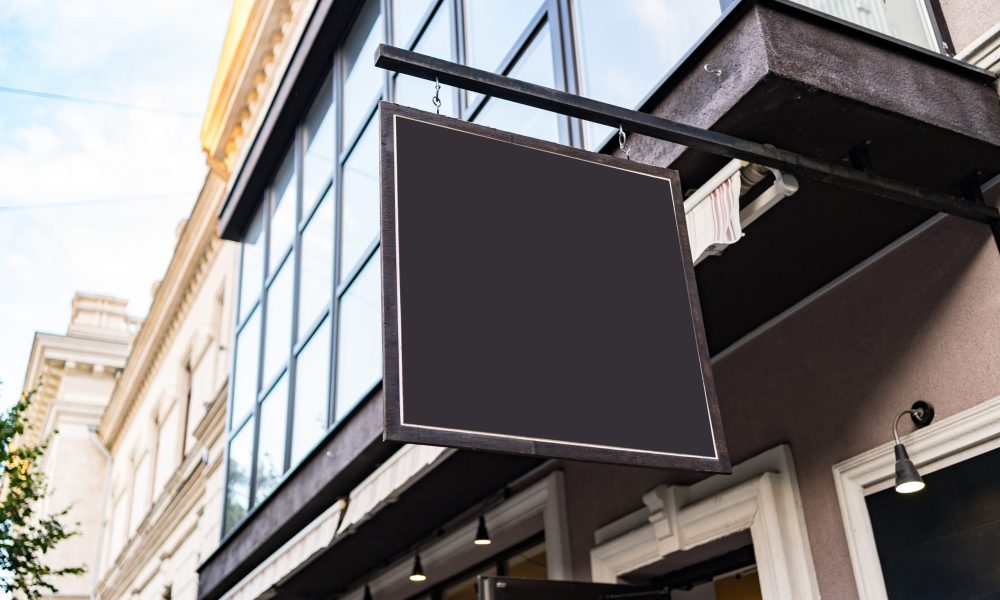
Pedestrian-friendly markers, like blade signs that hang perpendicular to the building, are highly effective. A tourist walking down the sidewalk can’t easily see a flat storefront display, but a blade marker catches their attention from a block away. Similarly, well-placed A-frame boards on the sidewalk offer a chance to highlight daily specials, unique souvenirs, or an inviting happy hour. These subtle, ground-level visual cues convince hesitant travelers to stop walking and step inside to browse.
Encouraging Social Media Sharing
In the modern travel landscape, social media drives a huge portion of tourism. People want to take beautiful photos to share with their friends and followers online. You can leverage this desire by creating specific visual landmarks that serve as perfect photo backdrops.
Creative installations like brightly colored neon displays, large freestanding block letters spelling out the city’s name, or painted wall murals invite tourists to stop and pose. When visitors post these photos online, they act as free, authentic marketing for your town. Their friends see the pictures, ask where they were taken, and suddenly, your community is on a new traveler’s radar. Designing displays specifically for their visual appeal gives your town a distinct identity that translates perfectly to the digital world.
Unifying the Community Identity
A scattered, mismatched collection of boards and banners can make a downtown district look cluttered and neglected. Conversely, a coordinated visual strategy brings a neighborhood together. When the public parking markers, street names, and park rules all share a similar design language, it creates a polished, professional atmosphere.
This cohesive branding tells visitors that the local businesses and the city government are working together to create a premium experience. You don’t have to force every shop to use the same colors, but establishing a general theme for the public spaces goes a long way. It makes the entire district feel like a planned, intentional destination rather than a random collection of buildings.
Improving the Overall Visitor Experience
Boosting local tourism doesn’t always require a multi-million dollar marketing campaign or a brand-new theme park. Sometimes, the most effective improvements are the ones right in front of your eyes. By upgrading your public and private displays, you make your town more accessible, more educational, and much more welcoming to outsiders.
Clear directions, engaging historic markers, and eye-catching storefronts all work together to create a memorable traveler experience. When visitors have a great time exploring your community without getting lost or frustrated, they’ll pack their bags, head home, and tell everyone they know about the charming town they just discovered. Setting up the right visual guides is the simplest way to roll out the red carpet for your guests.