
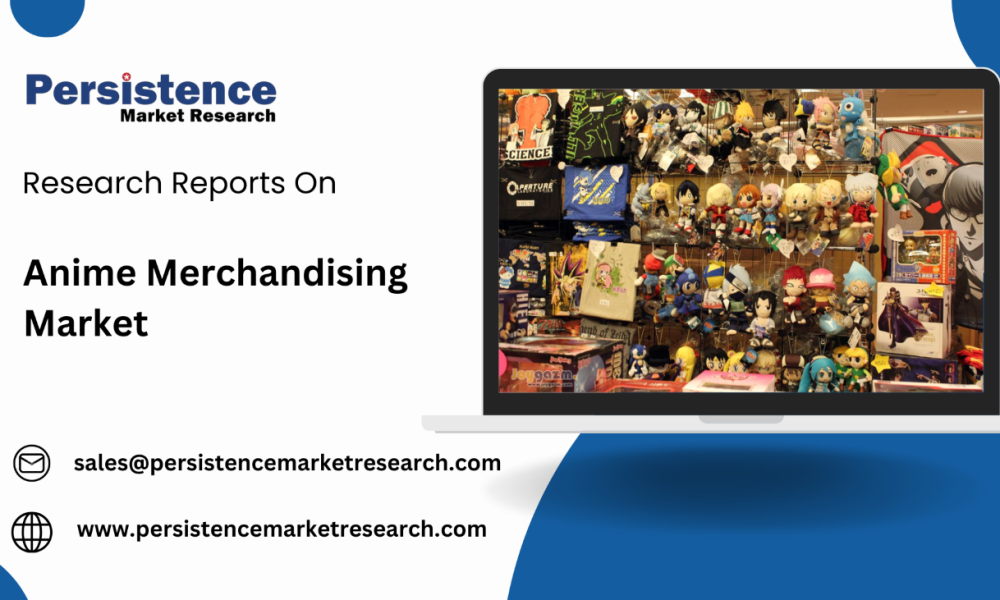
The global anime merchandising market has evolved into a dynamic industry driven by the soaring popularity of anime content worldwide. With the market projected to reach US$ 9,786.2 million in 2025 and expected to hit US$ 18,162.7 million by 2032, the sector is forecasted to grow at a robust CAGR of 9.2% during the period from 2025 to 2032. This growth reflects not only the rising global consumption of anime but also the increasing ways in which fans engage with their favorite characters and series through merchandise.
Anime merchandising encompasses a wide variety of products, from figurines, apparel, and accessories to home décor, tech gadgets, and collectibles. These items allow fans to extend their connection with anime beyond screens, creating tangible experiences and community engagement. The market’s expansion can be attributed to several factors, including fan-driven demand, brand collaborations, and the growth of e-commerce platforms.
Global Popularity of Anime Driving Market Growth
Anime has transformed from a niche interest to a mainstream cultural phenomenon. Platforms like Crunchyroll, Netflix, and Disney+ have significantly expanded anime’s reach, enabling fans across North America, Europe, and Asia to access high-quality content instantly. This surge in viewership directly influences the demand for related merchandise.
Anime enthusiasts often seek to express their fandom through tangible means. From limited-edition figurines to character-themed apparel, merchandise acts as a bridge between the fictional worlds of anime and real-life experiences. Popular franchises like Naruto, Demon Slayer, One Piece, and Attack on Titan have generated significant merchandising revenue, demonstrating how beloved characters drive sales across multiple product categories.
E-Commerce and Digital Retail: Expanding Access
The growth of e-commerce has been a key enabler for the anime merchandising market. Online platforms allow fans to purchase exclusive items from across the globe without geographical limitations. Websites such as AmiAmi, Crunchyroll Store, and Tokyo Otaku Mode have revolutionized accessibility, offering pre-orders, limited editions, and bundles directly to consumers’ doorsteps.
Digital marketing and social media also play a pivotal role in boosting merchandise sales. Instagram, TikTok, and YouTube enable brands to showcase product launches, unboxings, and collaborations, generating buzz and immediate demand. Social media trends often translate into viral merchandise sales, demonstrating how digital ecosystems amplify fan engagement and market growth.
Elevate your business strategy with comprehensive market data. Request a sample report now: https://www.persistencemarketresearch.com/samples/34707
Key Market Drivers
- Strong Fan Engagement and Community Culture
Anime fandom is characterized by passionate communities that actively share content, create fan art, and participate in discussions online and offline. This community culture drives demand for merchandise as fans seek to display their affiliation and celebrate their favorite series. Conventions, pop-up stores, and fan meet-ups further reinforce this behavior, providing interactive environments where consumers can purchase, showcase, and trade merchandise.
Limited-edition items and exclusive event merchandise play a crucial role in this engagement, creating a sense of urgency and scarcity that drives sales. Collectors’ items, such as signed figurines or special edition artbooks, often become high-value commodities within these communities.
- Collaborations with Fashion, Technology, and Lifestyle Brands
Brand collaborations have emerged as a strategic growth driver for the anime merchandising market. Fashion labels, tech companies, and lifestyle brands are increasingly partnering with popular anime franchises to launch exclusive merchandise collections. For example, collaborations with streetwear brands or gaming peripherals featuring anime characters merge fandom with everyday lifestyle products, appealing to a broader audience.
These collaborations not only boost sales but also enhance brand visibility for both the anime franchise and the partner company. Limited-time offerings often create hype and media coverage, expanding reach beyond traditional anime fans to mainstream consumers.
- Rise of Anime Conventions and Pop-Up Shops
Anime conventions, pop-up shops, and themed events have become instrumental in driving merchandise sales. Events like Anime Expo in Los Angeles, Comiket in Japan, and MCM Comic Con in the UK provide immersive experiences where fans can interact with characters, purchase exclusive items, and engage with other enthusiasts. These events strengthen brand loyalty and offer merchandising companies an opportunity to test new products in a highly targeted environment.
Pop-up shops and temporary retail spaces also allow brands to capitalize on trending anime releases, leveraging scarcity and exclusivity to boost sales. Fans attending these events are more likely to purchase merchandise as a memento of their experiences, further fueling market growth.
- Expansion into Lifestyle and Collectibles Market
Beyond traditional products like action figures and apparel, anime merchandise has expanded into lifestyle and collectibles. Character-themed home décor, stationery, kitchenware, and even beauty products have gained traction, offering fans creative ways to integrate their fandom into daily life. Collectibles such as limited-edition statues, plush toys, and resin models cater to a growing segment of dedicated collectors willing to pay premium prices for high-quality items.
This diversification of product offerings allows brands to tap into multiple consumer segments, from casual fans seeking affordable memorabilia to hardcore collectors seeking investment-grade items.
Regional Insights
North America
North America represents a significant share of the global anime merchandising market due to the rising popularity of anime and the presence of established distribution networks. Fans in the U.S. and Canada actively participate in conventions and online communities, creating strong demand for both mainstream and niche merchandise. E-commerce platforms and localized anime stores further support market expansion in this region.
Asia-Pacific
Asia-Pacific remains the heart of anime culture, particularly in Japan, South Korea, and China. Japan’s domestic market dominates with a wide range of official merchandise, while other countries are experiencing rapid growth in imports and fandom-driven sales. The cultural significance of anime in this region ensures continuous innovation in merchandise, from high-quality collectibles to limited-edition collaborations.
Europe
Europe’s anime merchandising market has grown steadily, driven by increasing accessibility to anime content and the emergence of fan communities. Countries such as the UK, France, and Germany host popular conventions and foster vibrant fan cultures, creating lucrative opportunities for merchandise sales. European consumers increasingly seek online channels for purchases, complementing traditional retail outlets.
Key Challenges
Despite its strong growth trajectory, the anime merchandising market faces several challenges.
- Counterfeit Products: The rise of unauthorized merchandise undermines brand value and reduces revenue for legitimate manufacturers. Counterfeit items often lack quality and authenticity, impacting consumer trust.
- Licensing and Intellectual Property Issues: Navigating licensing agreements across multiple regions can be complex, delaying product launches and limiting market access.
- Market Saturation: With the proliferation of anime titles and merchandise options, companies face the challenge of differentiating their offerings and maintaining consumer interest.
- Supply Chain Disruptions: Global logistics challenges and rising manufacturing costs can impact the timely distribution of merchandise, affecting sales during peak demand periods.
Future Trends and Opportunities
- Digital Collectibles and NFTs
The emergence of blockchain technology and non-fungible tokens (NFTs) presents a novel opportunity for anime merchandise. Digital collectibles allow fans to own unique, verifiable assets representing their favorite characters or series. Companies exploring NFTs can integrate virtual and physical merchandise, creating hybrid fan experiences that appeal to tech-savvy consumers.
- Augmented Reality (AR) and Interactive Merchandise
AR-enabled merchandise, such as interactive figures or character-themed apps, can provide immersive experiences, blending physical collectibles with digital content. This innovation enhances fan engagement, encouraging repeat purchases and fostering long-term loyalty.
- Sustainable and Eco-Friendly Merchandise
Consumer preference is increasingly shifting toward sustainable products. Anime merchandise companies are exploring eco-friendly materials, packaging, and production processes to appeal to environmentally conscious fans. Sustainable merchandise not only addresses ethical concerns but also differentiates brands in a competitive market.
- Customization and Personalization
Customization of merchandise offers fans a more intimate connection with their favorite series. Personalized figures, apparel, and accessories that allow consumers to add names, colors, or specific designs are becoming highly sought-after. Personalization enhances perceived value and encourages repeat purchases.
Conclusion
The anime merchandising market is poised for substantial growth over the forecast period from 2025 to 2032, driven by the global popularity of anime content, high fan engagement, expanding e-commerce, and innovative product offerings. From limited-edition collectibles and lifestyle products to brand collaborations and interactive experiences, the market is continuously evolving to meet the desires of passionate fan communities.
As anime becomes increasingly mainstream, merchandise will continue to serve as an essential touchpoint between creators and consumers, providing tangible ways for fans to celebrate and express their love for their favorite series. Companies that innovate, engage with communities, and leverage digital and physical retail channels effectively are likely to capture significant market share in this thriving industry.
With its projected growth from US$ 9,786.2 million in 2025 to US$ 18,162.7 million in 2032, the anime merchandising market offers lucrative opportunities for brands, creators, and retailers alike. The convergence of fandom culture, technology, and creative merchandising strategies ensures that this sector will remain a vibrant and profitable part of the global entertainment ecosystem.
Related Reports:




