
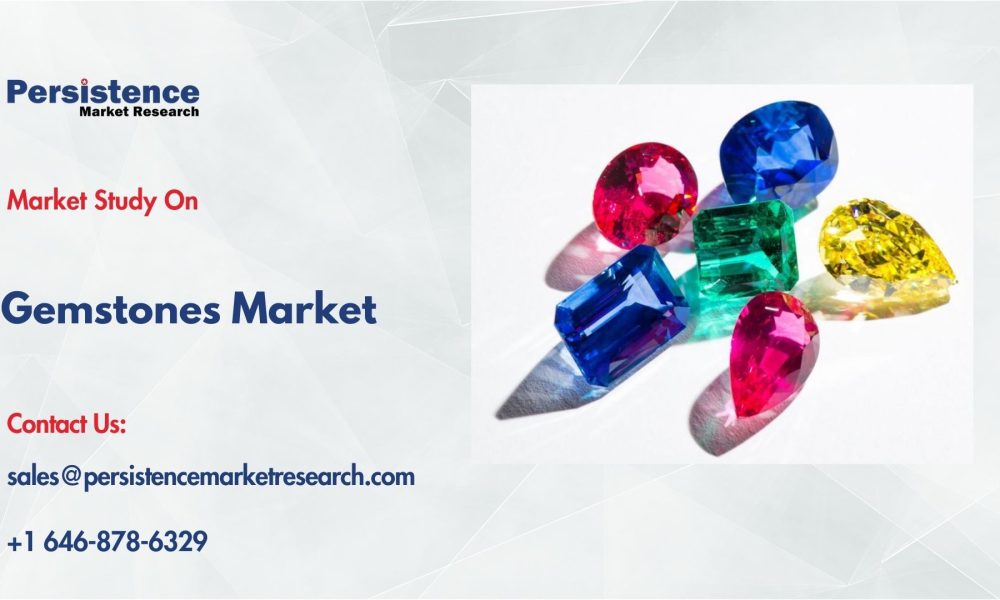
The global gemstones market is witnessing a robust expansion trajectory, valued at US$37.48 billion in 2025 and projected to reach US$52.67 billion by 2032. The market is forecast to grow steadily at a CAGR of 5.0% during the period from 2025 to 2032. The growing consumer inclination towards luxury goods, increasing disposable incomes, and the rising demand for gemstone jewelry are driving the market’s strong growth. Moreover, the popularity of colored gemstones such as emeralds, rubies, sapphires, and tourmalines is expanding across developed and emerging economies alike. In recent years, gemstone applications have diversified beyond jewelry into sectors like wellness, astrology, and décor, further boosting global demand. The market also benefits from the rising trend of ethical and sustainable sourcing, as environmentally conscious consumers prefer traceable gemstones certified through responsible mining practices. Advanced technologies in gemstone cutting, authentication, and digital trading platforms are revolutionizing the supply chain, ensuring transparency and quality assurance across regions.
The gemstones market is characterized by increasing consumer awareness of authenticity and origin, prompting companies to adopt blockchain-based certification systems and digital traceability solutions. According to industry experts, the rising popularity of lab-grown gemstones is reshaping consumer perceptions, offering visually identical yet eco-friendly alternatives to natural gems. This technological shift, supported by changing lifestyle preferences, is likely to sustain market expansion throughout the forecast period.
What factors are fueling the growing preference for gemstones in fashion and luxury markets?
The rising integration of gemstones in fashion accessories, coupled with growing influence from celebrity endorsements and social media trends, is significantly contributing to their demand. Consumers today are seeking products that reflect individuality, sophistication, and symbolic meaning—qualities that gemstones inherently embody. Additionally, brands are introducing limited-edition gemstone jewelry collections, personalized designs, and sustainable gemstone lines that align with the values of modern, eco-conscious consumers. These developments are propelling the gemstones market’s appeal among millennials and Gen Z demographics who view gemstones as both a fashion statement and a long-term investment.
Receive Sample of Research Report @ https://www.persistencemarketresearch.com/samples/4303
Segmentation Analysis
By Type, the global gemstones market is segmented into diamond, ruby, sapphire, emerald, and others such as topaz, amethyst, aquamarine, and tanzanite. Among these, diamonds continue to dominate the global market due to their established reputation, cultural symbolism of love and commitment, and strong presence in engagement and bridal jewelry. However, the colored gemstones segment is emerging as the fastest-growing category, driven by the rising preference for unique, personalized jewelry pieces. Colored gemstones like sapphires and emeralds are increasingly favored for their rarity and vibrant aesthetics, attracting both individual buyers and investors. Moreover, synthetic gemstones are gaining traction due to their affordability, ethical sourcing, and consistency in quality, making them a viable choice for a broader range of consumers.
By Product Type, the gemstones market is divided into natural gemstones and lab-grown gemstones. Natural gemstones, mined from the earth, retain the largest market share due to their rarity, intrinsic value, and long-standing prestige. However, lab-grown gemstones are witnessing rapid growth, driven by advancements in technology that allow for identical optical and chemical properties to natural stones. The lab-grown segment is particularly gaining acceptance among environmentally conscious consumers who prioritize ethical sourcing and sustainable production methods. Jewelry brands are increasingly incorporating lab-created gemstones into their collections, offering high-quality alternatives at competitive prices.
By Distribution Channel, the gemstones market encompasses online and offline retail. Traditionally dominated by physical jewelry stores, the industry is now experiencing a substantial shift toward e-commerce platforms. Online sales of gemstones have surged as digital marketplaces enable consumers to access a wider range of certified gemstones with transparent pricing and detailed product authentication. The emergence of virtual try-on features, augmented reality tools, and secure digital certifications are further enhancing consumer confidence in online gemstone purchases. Offline channels, however, continue to maintain their relevance due to personalized services, physical inspection, and bespoke design experiences that appeal to premium customers.
In addition to jewelry, gemstones are increasingly being used in decorative items, fashion accessories, spiritual tools, and even in skincare products for their perceived metaphysical benefits. The combination of traditional appeal and modern application is significantly broadening the gemstones market’s reach across multiple consumer segments.
Regional Insights
Geographically, Asia Pacific remains the leading region in the global gemstones market, accounting for a significant revenue share. The region’s dominance can be attributed to its extensive mining activities, skilled craftsmanship, and thriving jewelry manufacturing sector. Countries such as India, China, Thailand, and Sri Lanka serve as key hubs for gemstone cutting, polishing, and trading. India, in particular, stands out as both a major consumer and exporter, driven by cultural affinity for gemstones and a strong domestic jewelry market.
North America represents another substantial market, fueled by rising consumer expenditure on luxury goods and a growing preference for customized jewelry. The United States leads regional demand with its vibrant retail network, expanding online gemstone sales, and high acceptance of lab-grown gems. Meanwhile, Europe showcases steady growth led by fashion capitals like Italy and France, where gemstone jewelry continues to symbolize elegance and heritage craftsmanship.
The Middle East and Africa region holds immense potential due to abundant natural gemstone reserves and a strong luxury consumption base. Countries such as the UAE and Saudi Arabia are witnessing heightened gemstone demand, driven by cultural heritage and expanding luxury retail infrastructure. However, North America is emerging as the fastest-growing region during the forecast period, primarily due to technological advancements in gemstone production, growing adoption of lab-grown stones, and increasing consumer awareness of sustainable luxury.
Unique Features and Innovations in the Market
Technological innovation is redefining the gemstones market landscape. The integration of AI-driven authentication tools, blockchain-enabled supply chain transparency, and advanced laser cutting technologies are enhancing gemstone precision and credibility. Artificial Intelligence is being utilized for gemstone grading, pattern recognition, and quality assessment, enabling more consistent and accurate valuation processes. Furthermore, digital traceability through blockchain ensures complete transparency from mine to market, building trust among consumers and reducing counterfeit risks.
The incorporation of 3D printing and IoT-enabled manufacturing systems is also enabling bespoke jewelry designs with intricate detailing. The growing use of data analytics and predictive modeling in consumer behavior studies helps jewelry brands forecast design trends and manage inventories efficiently. Additionally, 5G technology supports the digital transformation of online retail, enabling virtual gemstone showrooms and augmented reality experiences that allow customers to visualize jewelry before purchase. These technological advancements collectively foster innovation, efficiency, and trust in the gemstones industry.
Market Highlights
The gemstones market is undergoing a paradigm shift driven by evolving consumer values, regulatory measures, and sustainability initiatives. The increasing adoption of fair-trade practices and ethical sourcing frameworks has made responsible mining a crucial competitive differentiator. Governments and international organizations are enforcing stricter regulations regarding gemstone origin disclosure and supply chain transparency to ensure authenticity and social accountability. Businesses are also investing in traceability technologies and certification systems that verify the ethical origin of gemstones, aligning with the global sustainability agenda.
Moreover, gemstone investments are gaining traction as alternative assets, with consumers viewing rare stones as stable stores of value amid economic uncertainty. The appeal of gemstones extends beyond aesthetics, as they are often associated with wellness, astrology, and positive energy—a factor contributing to their continued relevance across diverse consumer groups. The convergence of tradition, technology, and transparency positions the gemstones market for enduring growth in the coming decade.
Do You Have Any Query or Specific Requirement? Request Customization of Report: https://www.persistencemarketresearch.com/request-customization/4303
Leading companies are focusing on customized offerings, enabling clients to request tailored gemstone reports, data analytics, and market forecasts to address specific business requirements and investment strategies.
Key Players and Competitive Landscape
The global gemstones market is highly competitive, featuring a mix of established players and emerging brands striving to capture growing consumer demand. Prominent companies include De Beers Group, Gemfields Group Ltd., Petra Diamonds Limited, Swarovski AG, Tiffany & Co., Rio Tinto Group, Chopard, and Stuller Inc.
De Beers Group remains a dominant force, leveraging its expertise in diamond mining, grading, and distribution. The company’s strategic investment in lab-grown diamond ventures under its Lightbox Jewelry brand underscores its adaptation to shifting market dynamics. Gemfields Group Ltd. focuses on sustainable mining and ethical sourcing, particularly for colored gemstones like emeralds and rubies, ensuring transparency across its supply chain. Petra Diamonds Limited emphasizes operational efficiency and new mining projects to enhance output and profitability.
Swarovski AG continues to innovate in crystal and synthetic gemstone production, offering fashion-forward jewelry designs that appeal to modern consumers. Tiffany & Co. strengthens its brand heritage through sustainability commitments and exclusive gemstone collections, while Rio Tinto Group capitalizes on its robust mining capabilities to supply premium-quality diamonds globally. Chopard and Stuller Inc. further differentiate themselves through design excellence, craftsmanship, and digital integration in gemstone trading and jewelry manufacturing.
Outlook
Looking ahead, the gemstones market is poised for sustained growth, supported by technological progress, ethical practices, and evolving consumer preferences. As digital commerce and blockchain traceability mature, the gemstone industry will continue to enhance transparency, accessibility, and trust. The growing appeal of lab-grown gemstones and sustainable jewelry is expected to redefine competitive dynamics, encouraging brands to innovate while maintaining authenticity.
Furthermore, the increasing use of AI-driven quality analysis, advanced gemstone imaging, and digital marketplaces will streamline transactions and elevate consumer experiences. Strategic partnerships between gemstone miners, jewelry designers, and technology providers will further strengthen industry value chains. With luxury consumption on the rise and sustainability becoming central to consumer purchasing decisions, the gemstones market is set to flourish in the years ahead.
Explore the Latest Trending Research Reports:




