
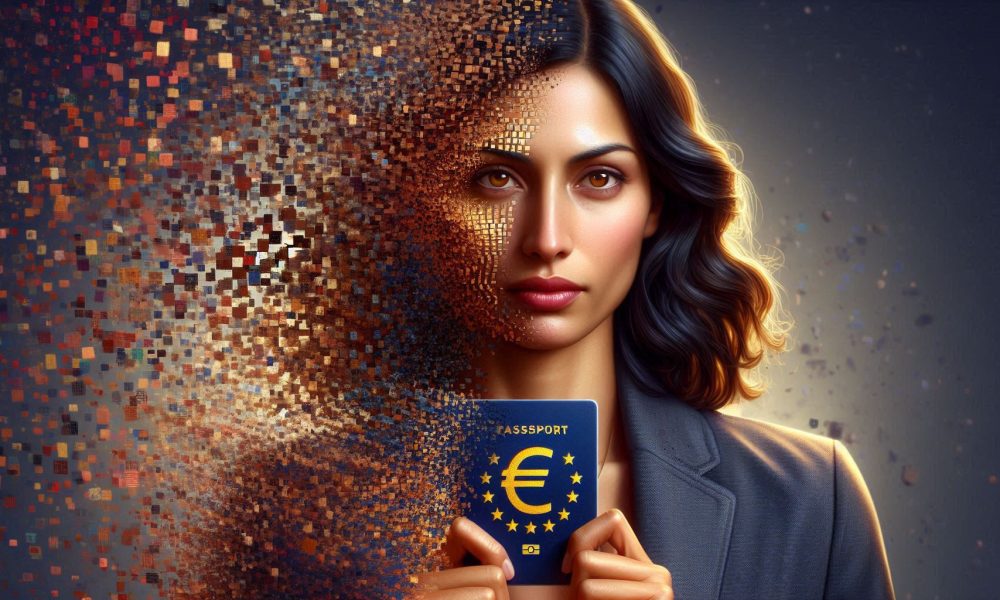
Vancouver, British Columbia — July 25, 2025 — In 2025, artificial intelligence and biometric surveillance have reached unprecedented sophistication. Facial recognition systems are now embedded in everything from border checkpoints and city surveillance grids to banking applications and private security systems. For individuals seeking anonymity—whether for privacy, safety, or personal transformation—this creates a formidable barrier. However, legal methods exist to minimize or bypass facial recognition tracking without breaking any laws. These strategies are not about evasion for criminal gain, but rather, about reclaiming autonomy in a hyper-monitored world.
Amicus International Consulting, a global firm specializing in legal identity transformation and international privacy strategies, has seen an increasing number of clients ask one question: How can I legally avoid facial recognition systems? From journalists under threat to whistleblowers, dissidents, and identity theft victims, the need for lawful concealment has never been more pressing.
The Rise of AI Surveillance
Facial recognition in 2025 is no longer an experimental technology. Countries such as China, the United States, the United Kingdom, and the United Arab Emirates have deployed mass-scale AI surveillance systems capable of:
Identifying individuals in under a second across multiple camera angles
Predicting future movements based on gait, body posture, and heat signature
Linking faces to financial accounts, phone activity, and geolocation data
Flagging individuals for watchlists based on digital behaviour or associations
Even democratic countries now use AI surveillance to police protests, verify identities at ATMs, and approve visa applications. These systems increasingly rely on shared international databases, including immigration logs, airline check-ins, and social media facial data.
Legal Reasons to Avoid Facial Recognition
Avoiding facial recognition isn’t inherently suspicious. There are legitimate and lawful reasons individuals seek to obscure their biometric presence, including:
Survivors of domestic violence fleeing from abusers
Journalists and activists are avoiding authoritarian retribution
Whistleblowers exposing government or corporate corruption
Individuals escaping cyberstalking and doxing threats
Victims of identity theft whose images have been used to create synthetic identities
The goal is not to evade law enforcement but to protect one’s personal safety, privacy, and freedom in compliance with national and international laws.
Understanding the Legal Framework
The right to privacy is enshrined in many legal systems. In the European Union, the General Data Protection Regulation (GDPR) gives citizens rights over their biometric data, including facial scans. In Canada, the Privacy Act restricts unauthorized surveillance by federal agencies. In the United States, several states, such as Illinois and California, have enacted Biometric Information Privacy Acts.
Globally, individuals have a growing number of legal protections to:
Opt out of biometric data collection (where laws permit)
Request deletion of facial data from private systems
Sue companies or governments for unauthorized biometric storage
Block the use of facial recognition in specific settings (e.g., schools, protests)
Amicus International Consulting ensures that all privacy and facial recognition minimization strategies are fully compliant with applicable legal regimes.
Strategies to Legally Evade Facial Recognition in 2025
While there is no magic switch to erase your face from global databases, there are legal loopholes and protective strategies. Exposure limit. Exposure:
1. Change of Jurisdiction
Relocating to a country with low adoption of biometric surveillance or weak data-sharing agreements can significantly reduce exposure to facial recognition. Countries such as Paraguay, Georgia, and parts of the Caribbean remain off the grid for many global surveillance networks.
2. Legal Identity Change
By legally changing your name and obtaining new identification documents, you can dissociate from existing biometric entries, especially in decentralized systems. While facial structure may remain the same, many systems link images to name-based profiles—breaking that chain legally diminishes traceability.
3. New Passport, New Biometric Entry
With second citizenship, your new passport comes with a fresh biometric enrollment. This new facial scan, particularly if submitted in a different country and database, may not be cross-referenced unless it is under an international alert or a Red Notice.
4Exposurelled Exposure
Amicus advises clients to restrict the use of facial recognition-based services such as:
Smart banking apps with facial unlock
Biometric entry at airports (use manual ID lines instead)
Digital photo tagging on social media
Government e-ID platforms linked to facial scans
Refusing to opt into these systems, when possible, is lawful and can reduce biometric visibility.
5. Facial Obfuscation in Public Spaces
In many countries, it is legal to wear sunglasses, hats, and masks that reduce facial detection accuracy. In 2025, specially designed clothing and accessories—such as reflective glasses, asymmetric haircuts, and “anti-surveillance” scarves—are available that confuse AI pattern recognition without violating dress codes or laws.
Case Study: Journalist Escapes AI Surveillance After Blacklist
In 2023, a freelance journalist based in Southeast Asia reported on human rights abuses by a regional government. After publication, he was added to a covert watchlist. Facial recognition systems flagged him at airports and hotels, preventing him from working or travelling safely.
Amicus International Consulting facilitated a lawful name change in South America and a second citizenship for him in Dominica. He re-registered with new biometric data, avoiding flagged systems. By relocating to a Caribbean nation with minimal surveillance and carefully managing his online presence, he now lives and works freely—without being tracked through facial databases.
Offshore Identity and Biometric Separation
Offshore structures play a significant role in minimizing biometric traceability:
By operating a business under a legally incorporated offshore entity, individuals can interact with financial systems without submitting personal facial data.
Trusts and corporations allow for proxies or nominees to serve as official representatives, exposing them to biometric scans.
Jurisdictions such as Nevis, Belize, and Panama offer strong privacy laws and do not automatically share biometric registries with international databases. Citizenship, second citizenship, and offshore frameworks help individuals maintain operational freedom while staying legally protected.
Second Citizenship and New Biometric Profiles
Biometric passports issued under a second citizenship often store facial and fingerprint data in systems separate from those of an individual’s first country. While global databases such as Five Eyes and Europol may share limited access, smaller nations do not always upload biometric data to centralized surveillance systems.
Acquiring a second passport in 2025 from a privacy-respecting nation allows individuals to:
Travel using a fresh facial scan unlinked to past digital behaviour
Open bank accounts and register businesses without triggering old facial profiles
Avoid watchlist hits or “facial red flagging” at immigration points
Amicus supports clients through Citizenship by Investment programs that include Dominica, Vanuatu, and Turkey.
Case Study: Corporate Whistleblower Avoids Retaliatory Surveillance
A senior executive at a global tech firm provided anonymous information about internal abuses to regulatory authorities. When suspicion fell on him, internal AI surveillance, including facial recognition cameras in the office, began tracking his movements.
Fearing both termination and physical danger, he worked with Amicus to:
Change his legal name in a Latin American jurisdiction
Acquire Saint Kitts citizenship with a new biometric enrollment
Leave the country without triggering exit alerts
Resettle abroad under a new passport, disconnecting from corporate facial scans
His new life includes a consulting role in Asia under a clean identity, using offshore structures to protect his earnings and location.
Technology That Confuses Facial Recognition—Legally
Several innovations have emerged in 2025 that legally obstruct facial recognition systems without breaching laws:
Infrared Face Masking: Some glasses and hats emit IR signals invisible to the human eye but blinding to AI cameras.
Adversarial Makeup: Certain facial makeup patterns cause AI to misinterpret the face as a non-human object.
AI-Confusing Clothing: Shirts printed with adversarial images or human-like patterns misdirect AI detection systems.
Public Domain Facial Clones: Some individuals upload “cloned” faces into open datasets, reducing the uniqueness of their faces in AI databases.
Amicus advises on the use of such tools within the boundaries of local law and ensures they do not violate public safety, national security, or private property rights.
Digital Disassociation: Cleaning the Biometric Trail
In addition to physical evasion, Amicus supports clients in digital disassociation, including:
Opting out of commercial facial recognition databases
Using legal rights under GDPR and CCPA to demand deletion of biometric profiles
Filing takedown requests for photos from platforms and publications
Obfuscating metadata in images and videos uploaded online
Redirecting facial scans during KYC procedures through authorized representatives
Cost and Timelines for Biometric Minimization
While some privacy strategies can be implemented immediately, a complete biometric reduction plan—including name change, relocation, and document reset—typically involves:
Legal Identity Change: $5Citizenship0
Second Citizenship: $100,000–$250,000
Offshore Structure Creation: $10,000–$25,000
Digital Disassociation Services: $7,000–$15,000
Anti-surveillance Apparel or Tools: $500–$3,000
Total execution time: 6 to 18 months, depending on jurisdictions and urgency.
Legal Risks and Ethics
Amicus International Consulting does not support illegal concealment from law enforcement, terrorist evasion, or tax fraud. All identity and surveillance minimization services are:
Conducted in full compliance with host country laws
Guided by international privacy rights frameworks
Verified through legal documentation and due diligence
Reserved for individuals at real risk of persecution or harm
Clients must pass ethical and legal screening before services begin.
Emerging Trends in Facial Recognition Avoidance
By 2025, the landscape includes:
Live facial recognition protests in democratic nations opposing AI surveillance
Micro-jurisdictions banning biometric registration entirely
Facial data insurance policies offering compensation for biometric leaks
Rise of identity cooperatives pooling legal and technical expertise to defend privacy
Global court battles challenging the legality of facial recognition in public spaces
Amicus monitors these developments to evolve its offerings accordingly.
Conclusion: The Right to Your Face—and Your Freedom
Facial recognition systems have become part of everyday life, but submission is not mandatory. For journalists, whistleblowers, survivors, and professionals seeking freedom, legal tools exist to minimize exposure to AI surveillance and protect personal autonomy.
Amicus International Consulting stands at the forefront of this movement, offering ethical, lawful, and globally compliant solutions to mitigate facial recognition risk and empower individuals to reclaim control over their identity.
Contact Information
Phone: +1 (604) 200-5402
Email: [email protected]
Website: www.amicusint.ca




