Setting the Stage: Challenging Fuel Delivery in Modern Diesel Engines
Modern diesel engines face intense fuel demands, especially under heavy towing, commercial fleet work, or when tuned for higher performance. In these high-load scenarios, stock fuel systems struggle to keep up. Common issues include cavitation, vapor lock, and air entrainment, all of which can cause erratic fuel supply and loss of power. Tiny pockets of air or vapor entering the system can disrupt precise fueling, making advanced injectors work harder than they should. Unstable inlet pressure often leads to shortened injector life and frequent fault codes. Over time, repeat failures can increase costs and force trucks or equipment out of service unexpectedly.
Lift Pump Innovations Shaping Diesel Performance
Basic diesel lift systems from the factory often use in-tank swirl pots or low-volume modules that satisfy mild driving but fall short under higher demands. Dedicated aftermarket lift pumps stand apart because they deliver stable flow and pressure, even during hard acceleration or heavy loads.
Important performance metrics include:
- Flow Rate (GPH): Ensures the engine always gets enough fuel, even at wide-open throttle.
- Inlet Vacuum Control: Limits how much a pump must “pull” fuel, reducing the risk of cavitation.
- Cavitation Threshold: The point at which fuel bubbles form, causing harmful wear.
New features address past weaknesses:
- Electronically controlled boost pressure adapts to changing demands.
- Integrated pre-filter stages stop contaminants before reaching sensitive parts.
- Self-priming pumps simplify installation and lower startup risks.
Airdog-Inspired Lift Pump Design Principles
Modern diesel lift pumps take a layered approach to reliability. Multi-stage filtration removes dirt and debris before fuel reaches the pump, reducing clogs and abrasions. Water separation features pull moisture out of the fuel, protecting critical engine parts. This stepwise process ensures that only clean, dry fuel moves forward.
A strong lift pump system includes pre-filter staging. Placing a high-capacity filter before the pump shields it from larger particles, while a lower-micron post-filter catches fine contaminants afterward. Consistent pressure regulation is vital. The pump maintains stable fuel pressure to the high-pressure injection pump, reducing surges that could trigger error codes or premature wear downstream.
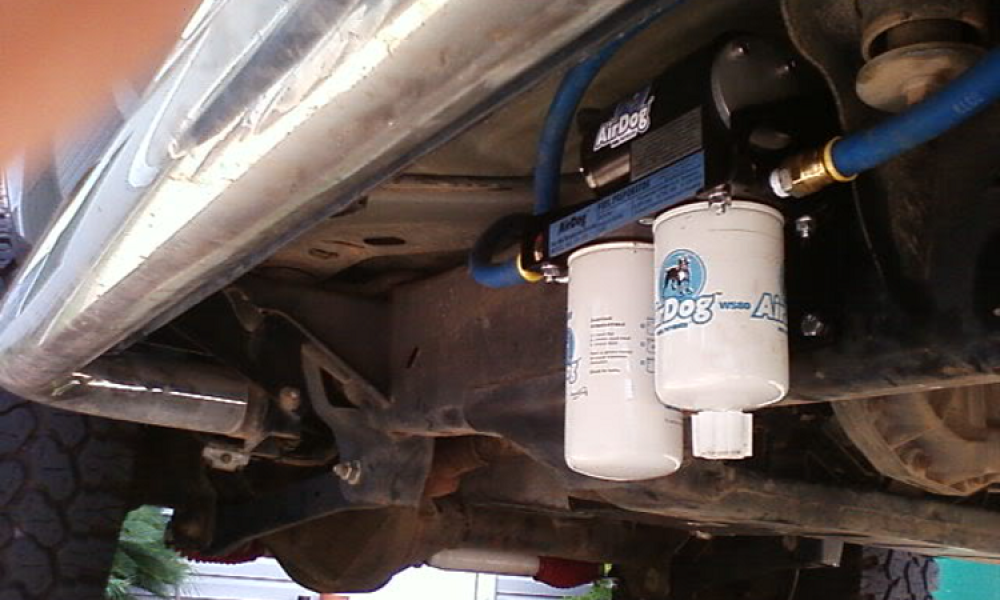
The airdog lift pump (airdog lift pump) exemplifies this logic, offering cleaner fuel delivery, even flow under full throttle, and longer life between service intervals. With features like constant pressure regulation and multi-stage filtration, such pumps help diesel engines run smoother and minimize downtime. These benefits become most noticeable under harsh operating conditions or performance upgrades that exceed factory specs.
Advantages include:
- Cleaner fuel shields injectors and pumps
- Stable supply prevents loss of power under acceleration
- Extended service intervals lower maintenance costs
Installation Best Practices and Mechanical Integration
Correct mounting and routing prolongs pump lifespan. Position the pump cool and away from engine heat sources to avoid heat soak and vapor lock. Solid mounting brackets minimize vibration that can cause wear. Use stainless-steel fittings to resist corrosion.
Recommended setup:
- Hose: Dash-6 or dash-8 for sufficient flow
- Torque: Tighten according to pump specs—avoid crushing or under-tightening
- Mounting: Secure brackets to strong chassis points
Electrical setup needs care. Fuse size must match pump draw. Use relay wiring for stable voltage. Fasten grounds to clean, paint-free metal, and observe proper bleed-down steps before disconnecting lines.
Ongoing Tuning: Maintenance Strategies for Lift Pump Reliability
Regular maintenance keeps the lift pump running strong. Change filters every 10,000–15,000 miles or 250–300 hours, whichever comes first. Inspections should cover:
- Inlet-side vacuum testing to detect restrictions
- Visual checks of water-traps for free water
- Pressure-drop readings during wide-open runs
Seasonal checks before long hauls or peak operating seasons can catch small issues before they create big problems. Note filter buildup or pressure fluctuations as early warnings.
Translating Lift Pump Upgrades into Real-World Results
Upgraded lift pumps deliver clear, measurable benefits. Data collected from commercial fleets and performance users show:
| Metric | Stock System | Upgraded Lift Pump |
| 0–60 Turbo Spool (sec) | 7.1 | 5.8 |
| Injector Replacement Rate (%) | 12 | 7 |
| Rail Pressure @ Altitude (psi) | 21,500 | 24,000 |
| Unplanned Downtime (hours/mo) | 14 | 5 |
Switching to a dedicated lift pump results in stable rail pressure—even at altitude—and quicker turbo spool times. Injector failure rates drop by up to 40%, and vehicles spend less time out of service. These numbers highlight engineering improvements, not just driver impressions.
Charting the Course: Upgrading for Uninterrupted Reliability
Evaluate your current fuel delivery during real-world load scenarios. Look for slow starts, filter warnings, or low pressure under throttle. Next steps include:
- Scheduling a performance inspection
- Selecting a certified installer
- Booking pre-season maintenance
Investing in system upgrades protects uptime and long-term engine health. Assessing resilience now helps avoid unexpected fuel issues when it matters most.