
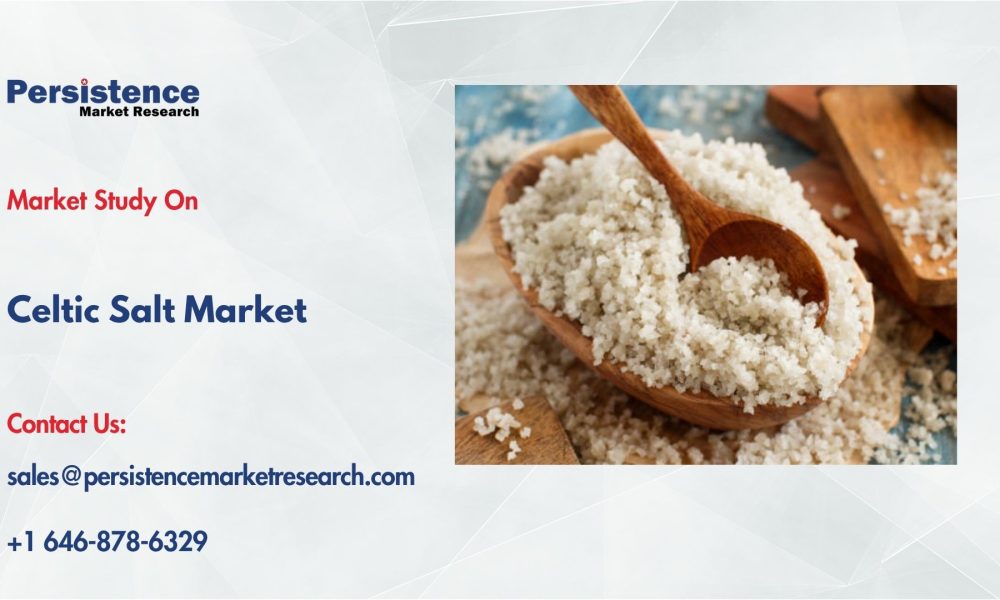
The global Celtic salt market is poised for significant expansion in the coming years, reflecting a growing consumer inclination toward natural, mineral-rich, and unrefined salt varieties. According to recent industry estimates, the market size is likely to be valued at US$0.78 billion in 2025 and is expected to reach US$1.25 billion by 2032, expanding at a compound annual growth rate (CAGR) of 6.6% during the forecast period from 2025 to 2032. The market growth is primarily fueled by the convergence of three major trends—culinary premiumization, health and wellness awareness, and the increasing adoption of natural salts in personal care and cosmetic applications.
Celtic salt, often referred to as “Sel Gris,” is harvested through traditional methods that preserve its natural mineral composition, including magnesium, potassium, and calcium. This distinctive mineral profile, combined with the salt’s unprocessed nature, has elevated its appeal among health-conscious consumers seeking alternatives to refined table salt. Additionally, the global demand for organic and clean-label food ingredients continues to surge, positioning Celtic salt as a preferred choice in the premium and functional food categories.
The market’s expansion is further propelled by the rising use of Celtic salt in gourmet and artisanal food products. As consumers increasingly seek authentic taste experiences, chefs and food manufacturers are integrating Celtic salt for its distinctive flavor and texture. Beyond culinary applications, the personal care sector has also emerged as a promising growth avenue, with Celtic salt being incorporated into exfoliating scrubs, bath soaks, and mineral-rich skincare formulations. This diversification of applications underscores the salt’s adaptability across industries.
Receive Sample of Research Report @ https://www.persistencemarketresearch.com/samples/35664
What Makes Celtic Salt Healthier than Regular Table Salt?
Celtic salt retains its natural trace minerals, unlike refined table salt, which undergoes heavy processing and chemical bleaching. The higher mineral content in Celtic salt supports electrolyte balance and hydration, while its lower sodium chloride concentration makes it a healthier alternative for individuals monitoring their sodium intake. The absence of additives and anti-caking agents also aligns with clean-label trends, driving its popularity among modern consumers seeking transparency and natural ingredients in their diets.
Furthermore, its alkalizing properties contribute to maintaining pH balance in the body, which may support overall wellness. This health-centric positioning has been a significant factor in its rising demand across developed and developing markets alike. As awareness spreads through online health communities, culinary influencers, and natural product retailers, Celtic salt continues to gain traction in both retail and industrial supply chains.
Segmentation Analysis
By Type
The Celtic salt market can be segmented into fine Celtic salt, coarse Celtic salt, and flake Celtic salt. Among these, coarse Celtic salt currently dominates the market, owing to its widespread application in gourmet cooking and food processing. The coarse texture preserves mineral integrity, making it highly preferred by chefs and high-end restaurants for seasoning and finishing dishes. Meanwhile, fine Celtic salt is witnessing the fastest growth rate, driven by its increasing use in everyday household cooking and health-conscious dietary routines. The convenience of fine grinding has made it suitable for packaged seasoning blends and bakery applications.
By Product Type
Celtic salt finds use across multiple product segments, including food and beverages, personal care, dietary supplements, and animal feed. The food and beverage segment remains the largest contributor to market revenue, reflecting the rising popularity of natural and gourmet ingredients. Manufacturers are incorporating Celtic salt into processed foods, artisanal bakery products, and premium condiments to enhance flavor and nutritional appeal. The personal care segment is projected to register strong growth during the forecast period as brands develop mineral-based skincare and bath products that emphasize natural exfoliation and detoxification properties.
The integration of Celtic salt into nutraceuticals and dietary supplements is also an emerging trend, as its mineral-rich composition supports hydration and electrolyte replenishment. This has led to a surge in its use in sports nutrition and wellness products, catering to the expanding fitness-conscious consumer base worldwide.
By Distribution Channel
In terms of distribution, the market is categorized into supermarkets and hypermarkets, specialty stores, online retail, and direct-to-consumer channels. While specialty and organic stores remain key outlets due to the premium nature of Celtic salt, online retail is experiencing the fastest growth. The increasing preference for e-commerce platforms allows consumers to access global brands and niche products conveniently. The digital expansion also enables smaller producers to reach international audiences, further diversifying the competitive landscape.
Regional Insights
Regionally, Europe currently leads the global Celtic salt market, accounting for a significant share in both production and consumption. Countries such as France, Germany, and Italy have long-standing traditions of using sea salts in culinary applications. France, being the origin of Celtic salt, continues to dominate production through artisanal harvesting along the Atlantic coast. European consumers’ high awareness of clean-label products and preference for traditional, unrefined ingredients sustain steady market growth in the region.
North America is emerging as the fastest-growing market, driven by escalating demand for natural food products, dietary supplements, and clean-label beauty solutions. The United States and Canada have witnessed a surge in health-conscious consumers opting for mineral-rich alternatives to processed salt. The growing presence of premium wellness brands and natural food stores has also facilitated market expansion. Meanwhile, the Asia-Pacific region shows strong potential, particularly in Japan, South Korea, and Australia, where consumers are increasingly adopting Western dietary trends and valuing imported gourmet ingredients.
Unique Features and Innovations in the Market
The Celtic salt market is distinguished by its emphasis on natural harvesting processes and minimal refinement, setting it apart from industrially processed salts. Recent innovations have centered on packaging, sustainability, and traceability. Companies are introducing eco-friendly packaging and leveraging blockchain technology to verify the authenticity and origin of their products.
While traditional harvesting methods remain central to Celtic salt production, modern technological integrations are enhancing market efficiency. The adoption of AI and IoT in supply chain monitoring has enabled producers to ensure consistent product quality and streamline logistics. Smart sensors and digital tracking systems allow real-time monitoring of environmental factors such as humidity and temperature during the drying process, improving product preservation. These technological enhancements reinforce consumer trust in premium salt brands and align with global sustainability objectives.
Market Highlights
The widespread adoption of Celtic salt across industries is rooted in its dual benefits—health promotion and culinary excellence. In the food industry, the salt’s unique mineral composition enhances flavor complexity, while in the wellness sector, its detoxifying and hydrating properties contribute to holistic health solutions. Manufacturers are increasingly focusing on transparent sourcing and ethical production practices to appeal to sustainability-minded consumers.
Regulatory frameworks promoting natural and minimally processed food ingredients further support the market’s positive trajectory. The rising emphasis on reducing sodium intake and encouraging clean-label formulations has positioned Celtic salt as a viable alternative to conventional table salt. Additionally, cost efficiencies in small-scale artisanal production and global distribution channels are improving the product’s accessibility across both developed and emerging economies.
Do You Have Any Query or Specific Requirement? Request Customization of Report: https://www.persistencemarketresearch.com/request-customization/35664
Key Players and Competitive Landscape
The global Celtic salt market features a mix of established producers and emerging artisanal brands, all competing on product quality, origin authenticity, and branding strategies. Key players include Selina Naturally, Le Paludier de Guérande, Hain Celestial Group, Celtic Sea Salt Company, and SaltWorks Inc.
Selina Naturally, one of the most recognized names in the Celtic salt category, has focused on expanding its online retail presence and diversifying product offerings to include fine, coarse, and flavored salts. Le Paludier de Guérande maintains its dominance in the European market through traditional salt farming methods and organic certifications that appeal to eco-conscious consumers. Hain Celestial Group leverages its strong distribution network to integrate Celtic salt into its portfolio of natural and organic food products, enhancing visibility in mainstream retail channels.
Meanwhile, Celtic Sea Salt Company continues to emphasize traceability and sustainable harvesting, ensuring that each batch retains the mineral richness of the original source. SaltWorks Inc., known for its innovative processing and packaging technologies, has invested in digital traceability and eco-friendly packaging solutions to align with sustainability goals. The competitive landscape is also witnessing an influx of boutique producers and regional suppliers who cater to niche health and wellness markets.
Outlook
The future outlook for the global Celtic salt market remains highly promising. With consumers prioritizing health, wellness, and authenticity in their purchasing decisions, the demand for natural mineral salts is projected to remain robust. The growing penetration of e-commerce platforms and increasing availability of artisanal products will further enhance global accessibility.
Technological advancements in production and supply chain management, combined with supportive regulatory environments promoting clean-label and low-sodium foods, are expected to drive innovation and growth. Moreover, expanding applications in beauty, wellness, and nutraceuticals will open new avenues for diversification and profitability.
As brands continue to highlight the holistic benefits and artisanal heritage of Celtic salt, the market is likely to evolve into a key segment within the broader natural ingredients industry. The intersection of health awareness, culinary sophistication, and sustainable sourcing practices ensures that the Celtic salt market will maintain a steady upward trajectory through 2032 and beyond.
Explore the Latest Trending Research Reports:




