
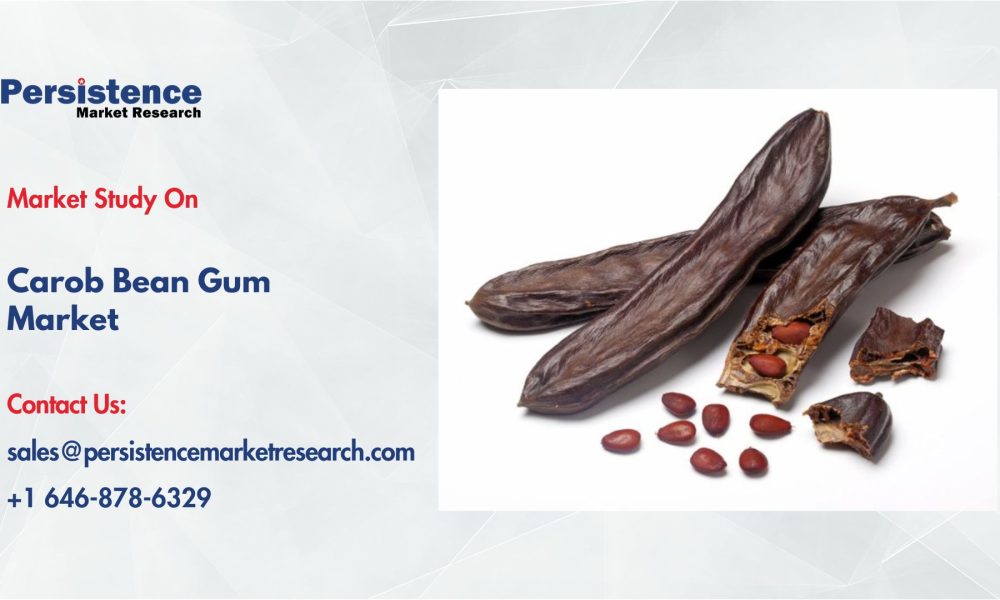
The global carob bean gum market is poised for consistent growth over the forecast period, driven by increasing demand for natural food additives, clean-label ingredients, and plant-based stabilizers across multiple industries. The market is expected to be valued at approximately US$ 743.0 million in 2026 and is projected to reach US$ 1,017 million by 2033, reflecting a compound annual growth rate (CAGR) of 4.6% from 2026 to 2033.
Carob bean gum, also widely referred to as locust bean gum, is a natural hydrocolloid extracted from the seeds of the carob tree. It is primarily used as a thickening, stabilizing, and gelling agent in food and beverage formulations. The market is benefiting from rising consumer awareness regarding ingredient transparency, growing preference for plant-derived additives, and increasing scrutiny over synthetic stabilizers. As regulatory frameworks tighten around artificial additives and food safety standards become more stringent, manufacturers are increasingly incorporating natural gums such as carob bean gum into product formulations.
The growth of the processed food and beverage industry, particularly in dairy, bakery, frozen desserts, and plant-based alternatives, remains a major demand driver. Carob bean gum enhances texture, improves mouthfeel, stabilizes emulsions, and prevents ice crystal formation in frozen products. Its compatibility with other hydrocolloids further strengthens its functionality in complex formulations. Additionally, the expanding vegan and vegetarian consumer base is creating favorable market conditions for plant-derived functional ingredients.
Beyond food applications, the pharmaceutical and cosmetic sectors are also contributing to demand growth. Carob bean gum is utilized as a binder, disintegrant, and viscosity-enhancing agent in pharmaceutical formulations, while in cosmetics it functions as a stabilizer in creams, lotions, and personal care products. The broadening scope of applications across industries reinforces its long-term market potential.
Get Your FREE Sample Report Instantly – Click Now: https://www.persistencemarketresearch.com/samples/26299
Segmentation Analysis
By Physical Type
- Powder
- Liquid
- Granules
By Source Type
- Organic Carob Bean Gum
- Conventional Carob Bean Gum
By Application
- Food & Beverages
- Pharmaceuticals
- Cosmetics
- Others
Regional Insights
Regionally, the carob bean gum market demonstrates diverse growth patterns influenced by food consumption trends, regulatory frameworks, and raw material availability.
Europe holds a prominent position in the global market, supported by high consumption of processed dairy products, strong regulatory emphasis on clean-label ingredients, and the presence of established hydrocolloid manufacturers. Countries such as Spain, Italy, and Portugal are also significant producers of carob, ensuring steady raw material supply within the region.
North America represents another leading market, driven by increasing demand for plant-based foods and natural stabilizers. The United States and Canada have witnessed growing adoption of clean-label formulations in packaged foods, which has positively impacted demand for carob bean gum.
Asia Pacific is expected to emerge as the fastest-growing regional market during the forecast period. Rapid urbanization, expanding middle-class populations, and rising consumption of processed and convenience foods are key factors driving regional growth. Additionally, the expansion of pharmaceutical manufacturing and cosmetic industries in countries such as China and India further supports demand.
Latin America and the Middle East & Africa are projected to experience moderate growth, influenced by increasing food processing activities and gradual shifts toward natural additives. The Mediterranean region’s climatic suitability for carob cultivation also provides opportunities for localized production and export.
Unique Features and Innovations in the Market
Modern advancements in extraction, purification, and processing technologies have significantly enhanced the functional properties of carob bean gum. Improved milling techniques and enzymatic treatments are enabling manufacturers to optimize viscosity profiles and reduce impurities, thereby enhancing product consistency.
Technological integration is also playing an increasingly important role in the market. Artificial intelligence and IoT-enabled monitoring systems are being adopted in agricultural practices to improve carob cultivation yields and quality control. Precision farming techniques allow growers to monitor soil conditions, optimize irrigation, and reduce crop losses, ensuring sustainable raw material supply.
In manufacturing facilities, automation and advanced analytics are improving batch consistency, reducing waste, and enhancing traceability. Digital quality management systems ensure compliance with international food safety standards, strengthening consumer confidence and facilitating global trade.
Sustainability-driven innovation is another defining feature of the market. Companies are focusing on environmentally responsible sourcing, biodegradable packaging, and energy-efficient production processes. The biodegradable nature of carob bean gum further enhances its appeal in eco-conscious markets.
Need Tailored Insights? Request Customization Now: https://www.persistencemarketresearch.com/request-customization/26299
Market Highlights
The global carob bean gum market is characterized by its alignment with key macroeconomic and consumer trends. The shift toward natural, organic, and clean-label products continues to drive widespread adoption across food and personal care industries. Regulatory support for natural additives and growing restrictions on synthetic stabilizers are reinforcing market growth.
Cost efficiency compared to certain alternative hydrocolloids also enhances its competitiveness. Moreover, the increasing focus on sustainability, plant-based formulations, and allergen-free ingredients positions carob bean gum as a strategic component in modern product development.
Food manufacturers are prioritizing ingredient transparency to meet consumer expectations, while pharmaceutical companies are exploring plant-based excipients to enhance product safety and regulatory compliance. These dynamics collectively strengthen the long-term outlook for the carob bean gum market.
Key Players and Competitive Landscape
- Cargill, Incorporated.
- Tate & Lyle
- Ingredion.
- Kerry Group plc.
- DuPont.
- CAROB S.A.
- Ceamsa.
- Altrafine Gums.
Future Outlook and Growth Prospects
Looking ahead, the global carob bean gum market is expected to maintain steady growth momentum through 2033. Expanding applications in plant-based foods, pharmaceuticals, and cosmetics will continue to diversify revenue streams. Technological advancements in processing and supply chain management will enhance efficiency and product quality.
Regulatory developments promoting natural additives and sustainable sourcing practices are likely to further support market expansion. As industries continue to prioritize clean-label formulations and environmentally responsible ingredients, carob bean gum is well positioned to serve as a versatile and sustainable solution.
The convergence of innovation, sustainability, and evolving consumer demand underscores a promising outlook for stakeholders across the carob bean gum value chain, ensuring long-term growth and strategic investment opportunities.
Explore the Latest Trending Research Reports:




