
Introduction
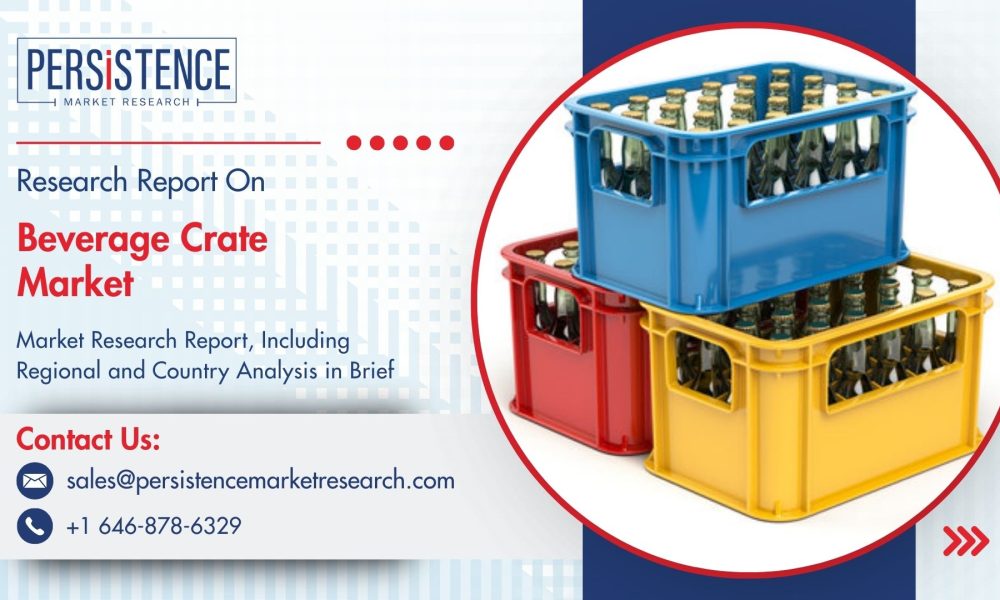
The beverage crate market has gained significant traction in recent years, largely due to its vital role in the packaging, storage, and transportation of beverages. Crates are designed to provide durability, stackability, and reusability, making them a preferred choice across the global beverage industry. With manufacturers, distributors, and retailers increasingly focusing on sustainable and cost-effective logistics solutions, beverage crates have emerged as an essential component of supply chain efficiency.
This report provides a comprehensive analysis of the beverage crate market, exploring its key growth drivers, challenges, market trends, technological innovations, and regional dynamics. The growing need for eco-friendly packaging, along with advancements in crate design and material use, are shaping the future of this market.
Beverage crates are widely used by breweries, soft drink manufacturers, dairies, and retail chains to ensure safe product handling. Their reusability reduces packaging waste, making them a more sustainable option compared to single-use alternatives. As beverage consumption continues to rise globally, particularly in emerging economies, the demand for beverage crates is set to expand further.
Market Projections and Forecast
According to Persistence Market Research’s projections, the global beverage crate market is forecast to expand at a CAGR of 5.6% from 2024 to 2031. The market is projected to grow from an estimated value of US$435.8 million in 2024 to US$638.2 million by the end of 2031.
This steady growth reflects the increasing adoption of reusable and recyclable packaging solutions, coupled with rising beverage consumption across key markets. Europe is expected to remain the leading region, supported by strong beverage production networks and stringent sustainability regulations, while Asia-Pacific is projected to witness rapid growth due to rising demand for packaged beverages.
Get a Sample PDF Brochure of the Report (Use Corporate Email ID for a Quick Response): https://www.persistencemarketresearch.com/samples/34223
Market Dynamics
Drivers of Market Growth
- Sustainability and Reusability of Crates
Beverage crates are designed for multiple reuse cycles, making them highly sustainable compared to single-use packaging materials like cardboard. With growing concerns over plastic waste and environmental regulations, beverage producers and distributors are increasingly investing in reusable crates to reduce their carbon footprint. - Rising Global Beverage Consumption
The global consumption of alcoholic and non-alcoholic beverages continues to grow, particularly in emerging markets. This rising demand necessitates efficient packaging and transportation solutions, further boosting the need for beverage crates across breweries, dairies, and soft drink manufacturers. - Efficiency in Supply Chain and Logistics
Beverage crates are designed for easy stacking and transportation, reducing the risk of product damage and optimizing storage space. Their ability to streamline supply chain operations makes them a cost-effective choice for beverage manufacturers and retailers alike. - Advancements in Materials and Design
Technological advancements in crate manufacturing, including lightweight yet durable plastics, ergonomic designs, and improved recyclability, are driving adoption. These innovations ensure better performance, longer lifespan, and reduced overall logistics costs.
Challenges in the Market
- High Initial Investment
While crates offer long-term savings due to their reusability, the initial investment required for high-quality, durable crates can be substantial. This cost factor may limit adoption among smaller beverage producers. - Regulatory Restrictions on Plastic Use
Many regions are implementing stricter regulations on plastic packaging, which may hinder the growth of plastic-based crates. Manufacturers must innovate with recyclable or bio-based materials to comply with these evolving standards. - Competition from Alternative Packaging
Alternative packaging formats, such as corrugated cartons or shrink-wrapped trays, offer lower upfront costs and may compete with beverage crates, particularly in markets with less emphasis on sustainability.
Market Trends and Technological Innovations
- Shift Toward Recycled and Bio-Based Materials
Manufacturers are increasingly using recycled plastics and bio-based polymers in crate production to align with global sustainability trends and reduce reliance on virgin materials. - Integration of Smart Technologies
Beverage crates are being enhanced with features such as QR codes, RFID tags, and tracking systems to improve inventory management and traceability in supply chains. - Focus on Ergonomic and Modular Designs
New designs emphasize user-friendly handling, lightweight structures, and modular formats that allow better stacking and storage efficiency. - Expansion in Emerging Markets
The rapid growth of beverage industries in Asia-Pacific, Latin America, and Africa is creating lucrative opportunities for crate manufacturers. Rising disposable incomes and increasing consumption of packaged beverages are driving demand in these regions.
Beverage Crate Market Segmentation
By Material:
- Plastic (HDPE, PP, others)
- Wood
- Metal
- Others
By Capacity:
- Up to 6 Bottles
- 6–12 Bottles
- 12–24 Bottles
- More than 24 Bottles
By End-Use Industry:
- Alcoholic Beverages (Beer, Wine, Spirits)
- Non-Alcoholic Beverages (Soft Drinks, Juices, Water)
- Dairy Products
- Others
By Distribution Channel:
- Direct Sales
- Distributors/Wholesalers
- Online Retail
Regional Analysis
Europe
Europe is projected to lead the beverage crate market, driven by strong sustainability regulations, advanced recycling infrastructure, and the widespread use of reusable packaging in the beverage industry. Countries like Germany, the U.K., and France are key contributors, particularly in beer and dairy sectors.
North America
The North American market is expected to grow steadily, supported by the strong presence of beverage manufacturers and rising demand for sustainable logistics solutions. The U.S. and Canada are major markets, with increasing adoption of recycled materials in crate production.
Asia-Pacific
Asia-Pacific is projected to witness the highest growth rate during the forecast period. Rapid urbanization, population growth, and rising disposable incomes are fueling beverage consumption in countries like China, India, and Japan. The growing retail sector and increasing demand for packaged beverages are also driving crate adoption.
Latin America
Latin America shows promising growth potential, particularly in Brazil and Mexico, where beer and soft drink consumption is high. Beverage producers in the region are increasingly adopting reusable crates to enhance supply chain efficiency.
Middle East & Africa
The Middle East & Africa region is expected to experience moderate growth, with rising beverage demand in urban areas and gradual adoption of modern packaging solutions.
Key Companies Profiled in the Report
- Schoeller Allibert Services B.V.
- DS Smith Plc
- Supreme Industries Ltd.
- Dynaplas Ltd.
- Nilkamal Limited
- Nefab Group
- IPL Plastics Inc.
- Myers Industries, Inc.
- Rehrig Pacific Company
- Mpact Limited
Future Outlook
The beverage crate market is poised for consistent growth, supported by rising global beverage consumption, sustainability initiatives, and technological innovations in crate design and materials. While challenges such as regulatory restrictions on plastics and competition from alternative packaging exist, the long-term outlook remains positive.
Manufacturers are expected to focus on eco-friendly materials, smart technologies, and ergonomic designs to stay competitive. Emerging markets in Asia-Pacific and Latin America will play a crucial role in driving future demand, while developed regions will continue to emphasize sustainable and efficient supply chain practices.
Conclusion
The beverage crate market is entering a transformative phase, with sustainability, innovation, and efficiency driving its growth. As the beverage industry continues to expand, crates will remain a critical component of safe and cost-effective storage and transportation. Although high upfront costs and regulatory challenges may pose obstacles, the overall market potential is substantial.
By investing in recycled materials, smart supply chain technologies, and modular designs, beverage crate manufacturers can align with global trends and meet the evolving needs of the beverage industry. With strong growth projections and rising demand across both developed and emerging economies, the beverage crate market is well-positioned to achieve significant expansion by 2031.
Explore the Latest Trending Research Reports:




