
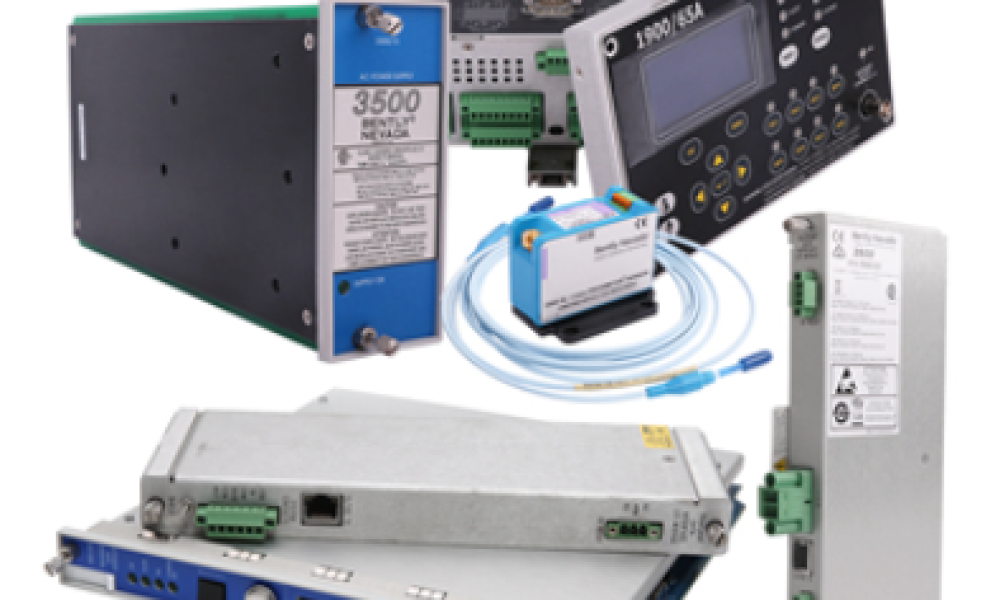
For engineers responsible for rotating machinery in power generation, oil and gas, manufacturing, and other heavy industries, reliable spare parts and efficient data interface solutions aren’t just conveniences—they’re necessities. Equipment downtime can cost thousands of dollars per hour, and missed transient events often mean losing crucial diagnostic information forever. The challenge lies in finding components that not only integrate seamlessly with existing protection systems but also deliver consistent performance under the pressure of real-world industrial conditions. This article explores how Bently Nevada’s Transient Data Interface Module addresses these critical needs and transforms the way engineers approach machinery health management.
The Problem with Traditional Data Interfaces
Traditional data interfaces in machinery protection systems present significant obstacles for engineers attempting to capture and analyze transient events. Most legacy systems operate with limited buffer capacities, meaning that when multiple machines experience simultaneous events or when data transmission delays occur, critical information gets overwritten before it can be properly recorded. Engineers frequently discover that the exact moment when a bearing failure began or when vibration patterns shifted dramatically has been lost to buffer overflow, leaving them to piece together incomplete narratives from whatever data fragments remain.
The communication protocols used in older interface modules compound these challenges. Many systems rely on proprietary formats that don’t integrate smoothly with modern analysis software, forcing engineers to manually export, convert, and import data through multiple steps. This process introduces opportunities for data corruption and consumes valuable time during critical troubleshooting situations. When a turbine trips unexpectedly at 2 AM, maintenance teams need immediate access to transient data, not a multi-hour data processing workflow.
Timing synchronization represents another persistent weakness in conventional interfaces. Without precise time-stamping across multiple monitoring points, engineers struggle to correlate events between different machines or even different sensors on the same equipment. A compressor surge might trigger protective actions across an entire process train, but without synchronized transient data, determining the root cause becomes an exercise in educated guesswork rather than data-driven analysis. These limitations don’t just frustrate engineers—they directly impact plant reliability, maintenance costs, and operational safety.
Introduction to Bently Nevada’s Transient Data Interface Module
The Bently Nevada Transient Data Interface Module serves as a specialized hardware component designed to seamlessly connect machinery protection systems with external data analysis and storage platforms. This module acts as an intelligent intermediary, capturing high-resolution transient waveform data during equipment events and transmitting it to historians, analysis software, or cloud-based platforms without compromising the protection system’s primary function. Unlike generic data acquisition devices, this interface module is purpose-built to handle the demanding requirements of continuous industrial operation, featuring ruggedized construction and industrial-grade communication protocols.
At its core, the module addresses the fundamental challenge of data continuity during critical events. It maintains substantial onboard memory buffers that prevent data loss even during network interruptions or when multiple machines trigger simultaneously. The interface supports standard Ethernet connectivity alongside traditional serial communications, providing flexibility for both modern digital infrastructures and legacy system integration. Engineers gain access to complete transient records—typically capturing several seconds of high-speed data before and after trigger events—which proves invaluable for root cause analysis.
The module’s architecture prioritizes reliability through redundant communication pathways and fail-safe operation modes. If network connectivity drops, the system continues buffering data locally until communications restore, ensuring no diagnostic information disappears during the exact moments engineers need it most. This design philosophy reflects decades of Bently Nevada’s experience in machinery protection, where missing a single transient event can mean the difference between preventing a catastrophic failure and experiencing costly unplanned downtime.
How It Works
The operational sequence begins when the machinery protection system detects an abnormal condition—excessive vibration, temperature deviation, or pressure anomaly—and generates a trigger signal. The Transient Data Interface Module immediately captures a predefined window of waveform data from connected sensors, typically including several seconds of pre-trigger information through continuous circular buffering. This pre-trigger data proves crucial because it reveals the conditions leading up to the event, not just the consequences after protection systems activate.
Once captured, the module applies time-stamping with microsecond precision using either internal clocks or external time synchronization protocols like IEEE 1588. This precise timing enables engineers to correlate transient events across multiple machines or process units, building a comprehensive picture of how disturbances propagate through interconnected equipment. The module then packages this time-stamped data with event metadata—trigger source, sensor identification, machine operating conditions—and transmits it through configured communication channels to designated storage or analysis systems.
The transmission process operates independently from the protection system’s critical functions, ensuring that data interface activities never interfere with machinery safety. Engineers configure priority levels, bandwidth allocation, and retry parameters through intuitive software interfaces, tailoring the module’s behavior to match specific plant network architectures and data management strategies. The result is a continuous flow of transient data that arrives at analysis workstations ready for immediate review, eliminating the manual data retrieval steps that plague traditional systems and enabling faster diagnostic decisions when equipment behavior demands attention.
Benefits for Industrial Engineers
The most immediate benefit engineers experience is the dramatic reduction in diagnostic time following machinery events. Instead of spending hours reconstructing what happened from fragmented data sources, complete transient records arrive at engineering workstations within minutes of an event. This accelerated access enables maintenance teams to make confident decisions about whether equipment can safely return to service or requires immediate intervention, directly reducing both downtime duration and the risk of secondary damage from premature restarts.
Data integrity improvements transform how engineers approach predictive maintenance strategies. With reliable capture of every significant transient event, patterns emerge that would remain invisible in systems prone to data loss. Engineers can track how bearing condition indicators evolve across dozens of startup cycles, identify subtle changes in rotor dynamic behavior during load transitions, and correlate process upsets with mechanical responses. This comprehensive historical record supports more accurate remaining useful life calculations and helps justify maintenance investments with concrete evidence rather than conservative estimates.
The module’s integration capabilities deliver substantial workflow efficiency gains. Engineers configure automated data routing to appropriate analysis tools, eliminating manual file transfers and format conversions. Transient waveforms flow directly into vibration analysis software, while summary statistics populate condition monitoring dashboards and event logs synchronize with computerized maintenance management systems. This seamless information flow means specialists can focus their expertise on interpretation and decision-making rather than data wrangling, while plant management gains visibility into equipment health trends without requiring engineering intervention for every routine report.
Real-World Applications
Power generation facilities utilize the module extensively across gas and steam turbine generator sets, where transient data from startup and shutdown sequences provides critical insights into rotor behavior and bearing performance. One combined-cycle plant implemented the interface across eight turbine trains, capturing detailed vibration signatures during every start sequence. Engineers discovered that specific startup rate profiles correlated with reduced bearing temperatures, leading to optimized procedures that extended bearing life by eighteen months while maintaining schedule compliance for grid demand response.
Petrochemical complexes deploy the technology on critical rotating equipment including large compressors, pumps, and expanders where process upsets frequently trigger protective actions. At a major ethylene facility, the module captured transient data during a compressor surge event that revealed the surge originated from upstream process controller oscillations rather than mechanical issues. This insight prevented unnecessary compressor disassembly, saving two weeks of downtime and over three hundred thousand dollars in maintenance costs while directing corrective action to the actual root cause in the process control system. In facilities where Moore Automated PLC systems manage process control alongside machinery protection, the ability to correlate transient mechanical data with controller logic execution provides engineers with comprehensive visibility into both process and equipment interactions during critical events.
Manufacturing operations benefit particularly in continuous process industries where production equipment operates around the clock. A steel rolling mill installed the interface on main drive motors and gearboxes, capturing transients during product changeovers and emergency stops. The accumulated data enabled engineers to differentiate between normal transient loads during grade changes and abnormal events requiring attention, reducing false alarms by sixty percent while ensuring genuine mechanical anomalies received immediate investigation. This refined approach to event classification improved both equipment reliability and maintenance resource allocation across the facility.
Customer Testimonials
James Richardson, a senior reliability engineer at a Gulf Coast refinery, describes his experience with the module as transformative for their maintenance program. “We installed the Transient Data Interface Module on our critical compressor trains eighteen months ago, and it’s completely changed how we approach troubleshooting. During a recent trip event, we had complete waveform data in our analysis software before the equipment even finished coasting down. We identified a coupling misalignment issue that would have taken days to diagnose with our old system. The module paid for itself in that single event by preventing what could have been a catastrophic failure.”
Maria Chen, lead instrumentation engineer at a combined-cycle power plant, emphasizes the reliability improvements her team has experienced. “Before implementing this interface, we lost transient data about thirty percent of the time due to network issues or buffer overflows during simultaneous events. Now we capture everything. The onboard buffering has saved us multiple times when our plant network experienced congestion during major disturbances. Our engineering team actually trusts the data now, which might sound basic, but it’s made a massive difference in how quickly we can clear equipment for return to service.”
David Kowalski, maintenance manager at an automotive manufacturing facility, highlights the integration benefits that improved his operation’s efficiency. “The seamless data flow into our existing analysis tools eliminated so much manual work. Our vibration analysts used to spend the first hour of any investigation just gathering and formatting data. Now they start analyzing immediately because everything arrives automatically in the right format with proper time stamps. We’ve reduced our mean time to diagnose machinery issues by forty percent, and that directly translates to less downtime on our production lines.”
Transforming Machinery Health Management Through Reliable Data Interface Technology
The Bently Nevada Transient Data Interface Module represents a fundamental shift in how industrial engineers approach machinery health management and diagnostic workflows. By eliminating the data loss, timing inconsistencies, and integration challenges that plagued traditional systems, this technology empowers maintenance professionals to make faster, more confident decisions during critical equipment events. The module’s robust architecture ensures that transient data—the most valuable diagnostic information available—reaches engineers reliably and immediately when they need it most.
For facilities operating critical rotating machinery, the investment in reliable data interface technology delivers measurable returns through reduced diagnostic time, prevented catastrophic failures, and optimized maintenance resource allocation. The real-world applications across power generation, petrochemical, and manufacturing sectors demonstrate that comprehensive transient data capture isn’t merely a technical improvement—it’s a strategic advantage that directly impacts operational reliability and profitability. As industrial operations continue demanding higher equipment availability and more sophisticated condition monitoring capabilities, solutions like the Transient Data Interface Module become essential tools for engineering teams committed to maintaining competitive, safe, and efficient operations.




