
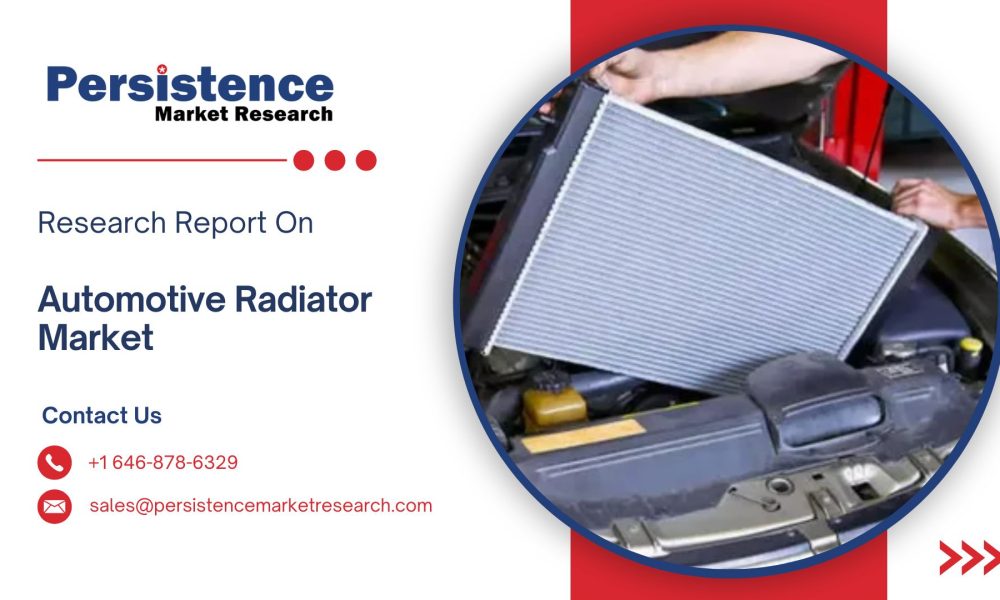
The global automotive radiator market is positioned for substantial growth in the coming years. At the end of 2025, global automotive radiator sales are expected to reach approximately US$ 10 billion. The market is projected to experience a compound annual growth rate (CAGR) of 5.2%, reaching a market valuation of US$ 14.3 billion by 2032. This growth is attributed to several factors, including the increasing demand for energy-efficient vehicles, growing automotive production, technological advancements in radiator design, and the rising adoption of electric vehicles (EVs), which require specialized cooling systems.
Automotive radiators play a crucial role in regulating the temperature of internal combustion engines (ICEs), preventing them from overheating and ensuring optimal performance. With the shift toward more energy-efficient and eco-friendly vehicles, manufacturers are focusing on improving radiator designs to meet the demands of modern automotive technology. Furthermore, global efforts to reduce carbon emissions and increase fuel efficiency are fueling the need for improved heat exchange technologies.
Key factors contributing to the market’s growth include the rising production of automobiles, particularly in emerging economies, along with stricter government regulations surrounding vehicle emissions and fuel efficiency. Additionally, advancements in radiator materials, such as the use of lightweight alloys and composites, have enhanced the performance and durability of automotive radiators, making them more appealing to vehicle manufacturers and consumers alike.
Request Sample Copy of Report: https://www.persistencemarketresearch.com/samples/13000
Segmentation Analysis
By Type
The automotive radiator market can be segmented based on the type of radiator used in vehicles. The primary segments include aluminum radiators, copper-brass radiators, and composite radiators.
Among these, aluminum radiators dominate the market in terms of volume and revenue. Aluminum is preferred due to its excellent heat dissipation properties, lightweight nature, and cost-effectiveness. Furthermore, aluminum radiators offer better fuel efficiency and performance, which is crucial in the context of the growing emphasis on eco-friendly vehicles and energy efficiency. As a result, the aluminum segment is expected to maintain its dominance throughout the forecast period.
Copper-brass radiators, while less common than aluminum radiators, are still widely used in certain vehicle types, such as heavy-duty trucks and luxury cars, due to their superior durability and corrosion resistance. However, with advancements in aluminum radiator manufacturing and cost considerations, the demand for copper-brass radiators is anticipated to witness slow growth over the next several years.
Composite radiators are an emerging segment that combines lightweight materials with durability. These radiators, typically made from plastic or polymer composites, offer advantages such as flexibility, reduced weight, and resistance to corrosion. The growing demand for electric vehicles (EVs) and hybrid vehicles (HEVs), which require specialized cooling solutions, is expected to drive the adoption of composite radiators.
By Vehicle/Product/Service Type
The automotive radiator market is also segmented by vehicle type, including passenger cars, commercial vehicles, electric vehicles (EVs), and hybrid vehicles (HEVs).
The passenger car segment holds the largest market share due to the high volume of global car production. However, the commercial vehicle segment is projected to register the highest growth rate during the forecast period, driven by the increasing demand for trucks, buses, and other commercial vehicles in emerging economies. The expansion of logistics networks and infrastructure development in regions such as Asia-Pacific and Latin America is a key factor driving this growth.
The electric vehicle (EV) and hybrid electric vehicle (HEV) segments are also witnessing rapid adoption, especially with global efforts to reduce carbon emissions and increase fuel efficiency. EVs and HEVs require specialized radiators due to their unique cooling needs. EVs, for example, rely on high-capacity battery cooling systems, which often involve the integration of radiators and advanced thermal management systems. As governments implement stricter emission standards and incentivize the purchase of EVs and HEVs, this segment is expected to experience significant growth over the forecast period.
By Propulsion/Technology/Channel
In terms of propulsion, the automotive radiator market is divided into three key categories: internal combustion engine (ICE) vehicles, electric vehicles (EVs), and hybrid vehicles (HEVs). ICE vehicles, while experiencing slow growth due to the rise of alternative propulsion technologies, still represent the majority of the global automotive market. However, the increasing adoption of EVs and HEVs is expected to drive demand for specialized radiators.
Technology plays a vital role in the evolution of radiators. Traditional radiators are being replaced with smart radiators, which incorporate technologies such as IoT and AI to optimize cooling efficiency. These systems enable real-time monitoring of vehicle temperature, allowing for predictive maintenance and improved performance. The integration of 5G connectivity in automotive systems is also expected to enhance the capabilities of radiator cooling systems, facilitating seamless communication between vehicle components and ensuring optimal operation.
In terms of distribution, the market is primarily driven through original equipment manufacturers (OEMs), which supply radiators to automakers during vehicle production. However, the aftermarket segment is also experiencing growth, particularly in regions with a large number of older vehicles that require radiator replacements or upgrades. The availability of online platforms and e-commerce has further enhanced access to replacement parts, contributing to the expansion of the aftermarket segment.
Request Customization of Report: https://www.persistencemarketresearch.com/request-customization/13000
Regional Insights
Leading Regions
The Asia-Pacific (APAC) region currently leads the global automotive radiator market, driven by the high volume of automobile production in countries like China, India, and Japan. China, as the world’s largest automobile market, plays a pivotal role in shaping the demand for automotive radiators. The rapid urbanization, growing middle class, and government policies promoting the adoption of EVs are key factors fueling the market’s growth in the region.
In addition to China, other APAC countries such as India and South Korea are witnessing an increase in both domestic vehicle production and exports, further driving demand for automotive radiators. The increasing adoption of hybrid and electric vehicles in this region is expected to contribute to the growth of specialized radiator technologies.
Fastest-Growing Region
While APAC dominates in terms of market size, the North American and European markets are poised for the fastest growth over the forecast period. North America in particular is experiencing a surge in the demand for EVs, with both the U.S. and Canada adopting stricter emission standards and providing incentives for EV purchases. As a result, there is an increasing demand for advanced radiator technologies, particularly in electric vehicles, which require sophisticated thermal management systems.
In Europe, the push toward sustainability and greener transportation solutions is accelerating the demand for both electric and hybrid vehicles. Europe has become a major hub for EV manufacturing, with several key automakers establishing production facilities in the region. The region’s emphasis on reducing greenhouse gas emissions and meeting stringent environmental standards is expected to support the demand for automotive radiators throughout the forecast period.
Unique Features and Innovations in the Market
The automotive radiator market is undergoing significant innovation, driven by technological advancements and the evolving needs of modern vehicles. Lightweight materials such as aluminum alloys and composite materials are being increasingly used to reduce the overall weight of radiators and improve fuel efficiency.
Smart radiators, integrated with IoT and AI technologies, offer significant improvements in vehicle performance. These radiators allow for real-time temperature monitoring and predictive maintenance, enhancing the reliability and efficiency of both traditional and electric vehicles. For example, advanced cooling systems in EVs use sensors to monitor battery temperatures and adjust the cooling process in real time, preventing overheating and improving battery life.
The integration of 5G technology into vehicle systems further enables the seamless communication between different components, including radiators, to optimize vehicle performance. The next-generation radiators will not only focus on temperature regulation but also incorporate energy recovery systems that help vehicles achieve better fuel efficiency and reduce carbon emissions.
Market Highlights
Several key factors are driving the adoption of advanced automotive radiators:
- Sustainability: As the automotive industry moves toward greener transportation options, there is a growing need for radiators that can optimize energy usage, reduce fuel consumption, and lower carbon emissions.
- Technological Advancements: The incorporation of IoT, AI, and 5G technologies into automotive radiators is transforming how they operate, offering greater efficiency, reliability, and the ability to monitor performance in real-time.
- Regulatory Compliance: Stricter emission regulations and fuel efficiency standards are encouraging vehicle manufacturers to invest in advanced radiator solutions that help meet environmental goals.
- Cost-Effectiveness: Innovations in manufacturing processes and materials are leading to more affordable and efficient radiators, benefiting both automakers and consumers.
Key Players and Competitive Landscape
The automotive radiator market is highly competitive, with a number of global and regional players leading the industry. Some of the top companies in the market include:
- Denso Corporation: A leader in the automotive radiator market, Denso focuses on developing advanced cooling systems for both traditional and electric vehicles. Their strategy involves continuous investment in research and development to create innovative solutions that meet evolving environmental standards.
- Valeo SA: Valeo is a key player in the global automotive radiator market, known for its thermal management solutions. The company is expanding its product offerings to include advanced radiator systems for electric and hybrid vehicles, aligning with global trends toward eco-friendly transportation.
- Mahle GmbH: Mahle is one of the leading suppliers of automotive cooling systems, with a strong focus on energy-efficient and lightweight radiator solutions. The company is investing heavily in the development of smart radiators equipped with IoT capabilities.
- Calsonic Kansei Corporation: This company is known for its wide range of automotive components, including radiators. Calsonic Kansei is actively expanding its presence in emerging markets and increasing its product portfolio for electric vehicles.
These companies are focusing on product innovations, strategic partnerships, and regional expansions to strengthen their market position and capitalize on the growing demand for advanced automotive cooling solutions.
Future Opportunities and Growth Prospects
The future of the automotive radiator market looks promising, with significant opportunities in the electric vehicle and hybrid vehicle segments. The increasing adoption of these vehicles, combined with the need for specialized thermal management solutions, will drive the demand for innovative radiator systems.
Additionally, advancements in materials and manufacturing technologies will continue to improve the performance, durability, and cost-efficiency of automotive radiators, making them more appealing to vehicle manufacturers and consumers.
As environmental regulations evolve and consumers demand more sustainable solutions, the role of green technologies in radiator manufacturing will become increasingly important. The integration of smart, energy-efficient systems, combined with the push for reducing vehicle emissions, will continue to shape the future of the automotive radiator market.
Explore more related market insights and reports by visiting our website.




