
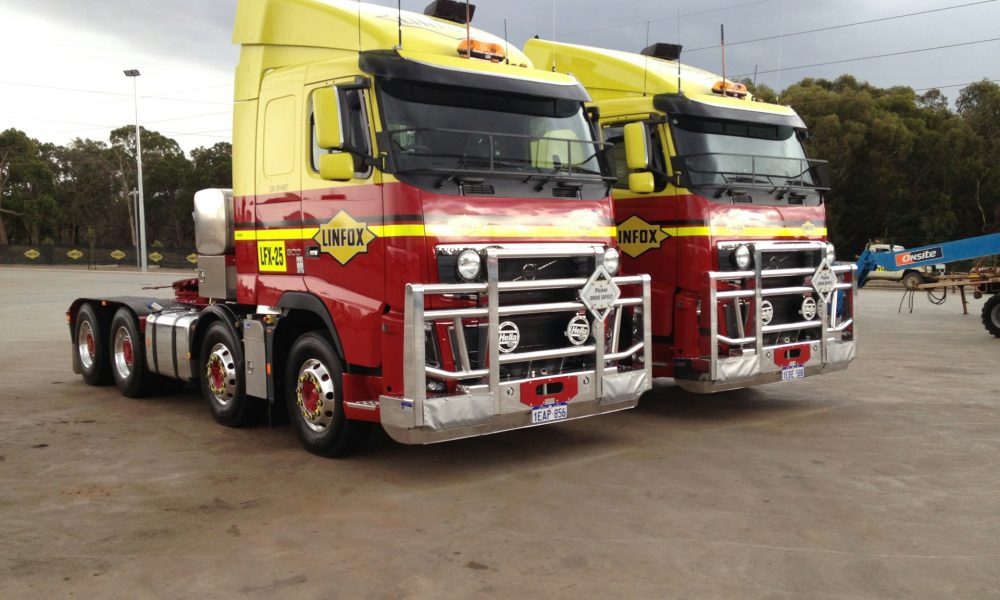
Australia’s transport-heavy economy has always had a practical edge.
- Long distances
- Thin margins
- The weather does not behave.
Still, customers expect faster delivery, cleaner operations, and fewer excuses.
So, for Australian businesses that run vehicles, the fleet conversation has shifted. Now, it is no longer merely about keeping utes, vans, and trucks on the road. Rather, it is about turning movement into measurable commercial control.
Why Fleet Strategy Now Sits Closer To The CFO’s Desk
For years, fleet management sat somewhere between operations, procurement, and the workshop. Although it is important, it is often treated as a cost centre. However, that view is getting old rather quickly.
Now, the following aspects affect cash flow with uncomfortable speed:
- Fuel prices
- Insurance premiums
- Labour shortages
- Compliance duties
- Service delays.
Consequently, executives are looking at fleet performance with a sharper commercial lens.
In Australia, this pressure feels different because geography magnifies every mistake. For instance, a missed delivery window in inner Melbourne is one problem. Also, a poorly planned regional route across Queensland or Western Australia is another issue altogether.
Therefore, the smarter operators are not simply buying more vehicles. Instead, they are asking harder questions about utilisation, downtime, driver behaviour, and asset life.
Technology Is Becoming The Quiet Advantage
A modern fleet tracking system gives Australian businesses a competitive advantage by making –
- Vehicle activity visible
- Route decisions clearer
- Cost leakage easier to spot before it becomes a bigger financial headache.
That visibility matters, especially when companies manage mixed fleets across metro corridors, regional depots, construction sites, or last-mile delivery networks.
Still, technology alone does not fix a weak fleet strategy. Rather, it only exposes it faster. For instance, live location data might show excessive idle time. However, management still needs the discipline to act.
Likewise, route analytics may reveal poor scheduling. This might prompt the business to rethink dispatching practices. In other words, although the software helps, leadership decides whether the numbers become savings.
The Australian Market Has A Very Specific Fleet Problem
At the outset, Australia does not operate like a compact European market. Also, it does not have the same freight density as parts of Asia. As a result, local fleet planning has to balance the following aspects:
- Distance
- Labour availability
- Fuel exposure
- Road conditions
- Compliance
- Customer expectations all at once.
Moreover, the rise of e-commerce, trade services, mobile healthcare, infrastructure work, and regional distribution has made vehicle networks more complex.
For instance, a small plumbing business with fifteen vans now faces visibility problems similar to those of a mid-sized logistics company. Meanwhile, larger operators are under pressure to show cleaner emissions reporting. Also, they have to show better driver safety and tighter maintenance governance.
Key Fleet Pressures Across Australian Businesses
| Business Pressure | What It Means In Practice | Commercial Impact |
| Fuel volatility | More exposure across long-distance routes and idle-heavy urban work | Margin erosion unless routing and behaviour improve |
| Driver shortages | Harder scheduling, overtime pressure, and service reliability issues | Higher labour costs and weaker customer experience |
| Compliance obligations | More attention on safety, fatigue, maintenance, and reporting | Greater need for auditable operating records |
| Vehicle downtime | Parts delays, ageing fleets, and poor servicing discipline | Lost revenue days and higher replacement costs |
| Customer expectations | Faster delivery updates and tighter arrival windows | More pressure on dispatch accuracy and communication |
The Business Case Is Not Just Cost-Cutting
Naturally, many companies start with the savings story.
- Less fuel waste.
- Fewer unnecessary kilometres.
- Better maintenance planning.
Of course, those things matter. However, the deeper business case is actually about predictability. When a company understands where its vehicles are, how they perform, and where delays occur, it can price work more accurately and protect margins with greater confidence.
Furthermore, fleet data improves decisions that sit well beyond the transport team.
- Sales leaders can see which service zones cost too much to support.
- Finance teams can compare lease, buy, and outsource models more realistically.
- Operations managers can restructure territories.
Therefore, the vehicle becomes more than an asset on a balance sheet. It becomes a signal of how the business really runs.
Where Many Companies Still Get It Wrong
The common mistake is chasing dashboards without changing behaviour. For instance, a business installs tools, collects data, and then lets the information sit there like digital furniture. Although it is nice to look at, it is actually not doing much.
Consequently, the return stays thin. Fleet transformation needs a cadence –
- Weekly review
- Clear accountability
- Driver coaching
- Maintenance triggers
- Practical targets that people understand.
Another issue is overcomplication. Some Australian SMEs do not need a heavyweight enterprise setup on day one. They need reliable visibility, simple reporting, and a clean view of costs.
Meanwhile, larger organisations need integration with finance, HR, safety, and customer systems. Therefore, fleet technology selection should be guided by operational maturity rather than vendor enthusiasm.
Australian Fleet Advantage Will Come From Discipline Rather Than More Vehicles
The next competitive gap in Australia will not simply separate companies with technology from companies without it. Rather, it will separate disciplined operators from reactive ones.
Businesses that treat fleet data as a management asset will make better decisions about pricing, staffing, maintenance, and customers. However, businesses that keep guessing will keep paying for the guesswork.
Ultimately, Australian companies do not need to glamorise fleet management. They need to make it sharper. It is about less waste, better visibility, and more accountability. Moreover, it is about a clearer link between every kilometre travelled and every dollar earned. In a market where distance already costs enough, that kind of control is becoming basic business hygiene.




