
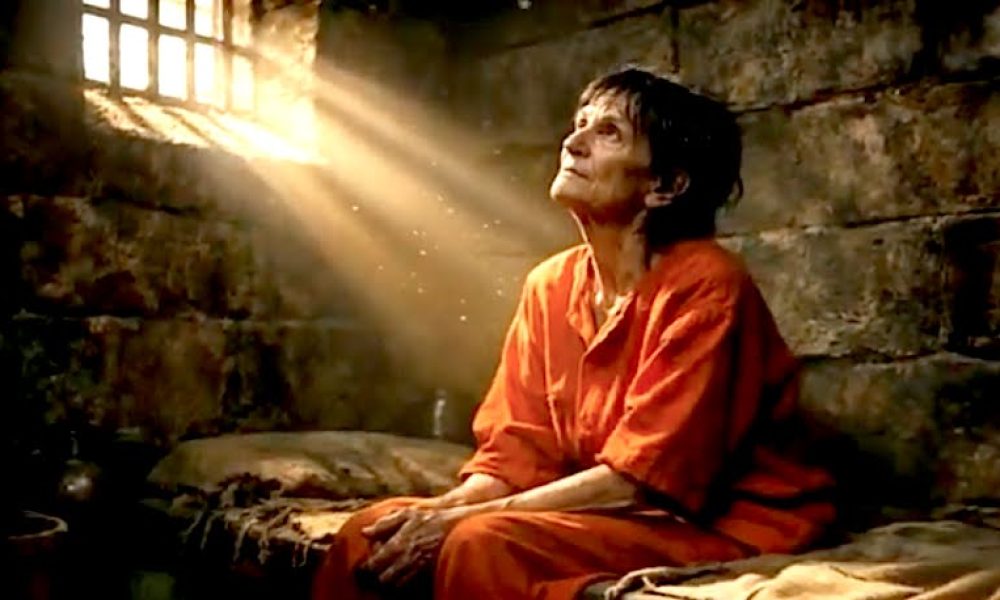
Alt Country Music steps outside the formula with Cajun Dead et le Talkin’ Stick “The Ghislaine Girl with a Kill Switch” song.
Cajun Dead and the Talkin’ Stick return with a track that refuses to sit politely in the corner of contemporary Alt Country Music. “The Ghislaine Girl with a Kill Switch” is a sly, lightly humorous, and sharply observant piece of alt‑country music that pokes at the soft underbelly of cultural complicity. Rather than leaning on the familiar tropes of trucks, heartbreak, and small‑town nostalgia, the band uses satire and symbolism to explore the figure of the enabler—specifically the kind of milquetoast, Stockholm‑syndrome‑steeped character who stands beside power, excuses it, and oils its gears.
The Alt Country Music song’s title nods to the public fascination with Ghislaine Maxwell, but the track is not a biography or a retelling. Instead, it uses her as a cultural shorthand for the many enablers who have existed throughout history: the ones who smile, nod, and “flip the kill switch” on their own conscience. The band’s approach is playful, but the commentary lands with surprising weight.
Socio‑relevance in song: satire, symbolism, and the enabler archetype
What makes “The Ghislaine Girl with a Kill Switch” stand out is its socio‑relevance in song—its ability to take a figure from the public imagination and turn her into a symbol of something larger. The Cajun Dead et le Talkin`Stick song lyrics reference “that Ghislaine girl with a kill switch as a milquetoast Stockholm Syndrome enabler,” a line that captures the song’s thesis: the enabler is not always a villain in the traditional sense but a soft, compliant presence who allows villainy to flourish.
The repeated invocation of “To the Evil Genius envahie” (Genie du mal on the hoof equalizer) adds a folkloric, almost mythic tone. It frames the enabler as someone who walks beside destructive power, smoothing its path, equalizing its reach. The French phrasing—envahie, genie du mal—adds a Cajun‑inflected mystique, grounding the track in the band’s cultural roots while expanding its symbolic palette.
The song’s middle verses widen the lens:
- “The unhomed and the homeless / The hungry and the lame (in jest)..”
- “The unseen, the unheard of, no name”
- “As it all goes out (onward in shame)”
These lines shift the focus from the enabler to the people who suffer because of the systems she props up. The contrast between the enabler’s comfortable proximity to power and the invisibility of the marginalized creates the song’s emotional tension. The humour is gentle, but the critique is sharp. As it has been since his Purple ribbon against violence song collections from way back .
A commentary wrapped in Cajun‑alt‑country swagger
Musically, the Alt Country Music song track leans into the band’s signature blend of Cajun rhythms, Alt Country Music grit, and spoken‑word storytelling. The talking stick—both a literal instrument and a metaphorical device—serves as the narrator’s conduit, delivering lines that feel half‑sung, half‑whispered across a campfire.
The Cajun Dead et le Talkin`Stick song catalogue plays with the conventions of country music, but never settles into them. Instead of the polished Nashville sheen, the production feels intentionally raw, almost handmade. The guitars shuffle rather than strut. The percussion feels like boots on a wooden porch. The vocals carry a knowing smirk, as if the singer were letting the audience in on a secret.
This approach reinforces the song’s themes: it’s a commentary on the mainstream by refusing to sound mainstream. When the lyrics declare, “All mainstream goes on. How absurd! How absurd!” the music itself becomes the counterargument—an alternative path, a refusal to participate in the absurdity.
Humour as an Alt Country Music Trojan horse for critique
One of the song’s most effective qualities is its use of humour. The band never mocks victims or trivializes harm; instead, the humour is directed at the enabler’s absurd self‑justifications. The phrase “all in a day’s work (work for an influencer)” is a particularly sharp jab, connecting historical enablers in the 16th-century court of King Louis XIV to modern Ghislaine Maxwell ones who curate their complicity with filters and hashtags.
The humour is light, but it’s also strategic. It invites listeners in, disarms them, and then delivers the critique. This is a hallmark of Cajun Dead et le Talkin’ Stick’s songwriting: where Theriault uses Appalachian-inspired poor folk laughter as a doorway to reflection.
Symbolism woven through the lyrics
The song’s symbolism is layered and deliberate:
- The “kill switch” represents the moment an enabler chooses silence over action, comfort over conscience.
- “Milque‑toast Stockholm Syndrome” paints the enabler as someone who has internalized the worldview of the powerful, not out of malice but out of meekness.
- “Genie du mal on the hoof equalizer” suggests that evil is not always grand or dramatic—it can be mundane, mobile, and socially lubricated by those who accompany it.
- “The unseen, the unheard witnessin’” points to the bystanders who observe injustice but remain voiceless, either by choice or by circumstance.
- “In the days of the saeculum passin’” situates the song in a long historical arc, implying that these patterns repeat across eras.
By grounding these ideas in Cajun‑inflected language and alt‑country textures, the band creates a soundscape that feels both ancient and contemporary.
A Cajun Dead et le Talkin’ Stick song catalogue that expands the boundaries of country storytelling
What makes “The Ghislaine Girl with a Kill Switch” notable is not just its subject matter, but its refusal to treat country music as a closed system. Cajun Dead and the Talkin’ Stick push the Alt Country Music genre outward—toward satire, toward folklore, toward socio‑political commentary. They remind listeners that country music has always been a storytelling medium and that stories can be mischievous, critical, and culturally incisive.
The track’s blend of humour and gravity positions it as a standout in the band’s catalog and a refreshing entry in the broader Alt Country landscape. It’s a song that rewards multiple listens, each time revealing new layers of symbolism and sly commentary. From the song video flashback to the court of 1700, King Louis XIV shows how evil and manipulation has always been around.