
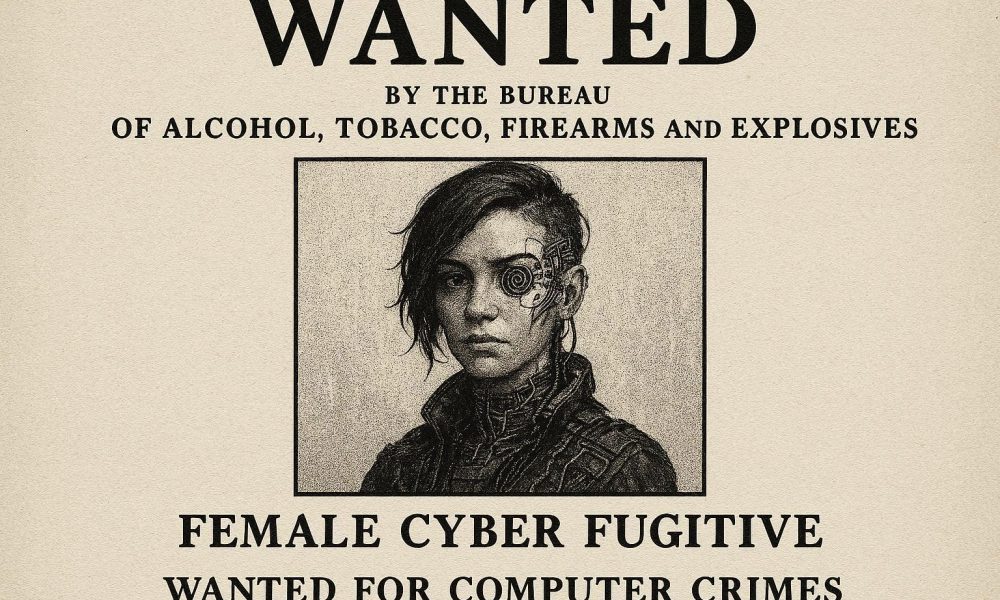
Predicting the next move of the world’s most sophisticated scammers
WASHINGTON, DC, April 26, 2026, border security is entering a new phase where artificial intelligence, biometric identity, travel-pattern analysis, and automated risk scoring are being developed to detect stolen identities before fraudsters reach the inspection desk.
The European Union’s Entry/Exit System, known as EES, has already replaced manual passport stamps with digital records, fingerprints, facial images, and automated stay calculations for entries, exits, and refusals across the Schengen Area.
A recent Reuters report on Europe’s biometric border rollout described EES as a major modernization effort designed to detect overstayers, combat identity fraud, and reduce reliance on paper-based border records.
The next frontier is artificial intelligence, because border authorities are increasingly interested in systems that can analyze inconsistencies across documents, travel history, residence claims, biometric records, and passenger behavior.
The new threat is not only a fake passport, but a stolen life
Identity theft at the border has evolved beyond forged documents, because sophisticated scammers now build complete stolen personas using passports, residence permits, tax identifiers, bank records, and supporting digital histories.
A fraudster operating under an alias such as Zhang Wei may not rely on a single counterfeit booklet, because a stronger strategy involves constructing a full identity package that withstands basic checks.
That package can include a valid-looking electronic passport, a cloned residence profile, a controlled phone number, a rental address, social media traces, and financial records that appear ordinary.
The challenge for border authorities is that every individual document may look credible, while the combined identity story contains subtle contradictions that only deeper analysis can reveal.
AI is being studied because these contradictions may appear across thousands of data points, making them difficult for a human officer to identify during one rushed inspection.
Identity stress is the new signal border systems want to detect
The phrase identity stress describes the pressure points inside a stolen persona, where travel history, document use, biometric evidence, address records, payment behavior, and immigration claims do not fit cleanly together.
A traveler may present a passport that appears perfect, but the broader record may show unusual route choices, inconsistent residence claims, sudden changes in documents, or unexplained travel linked to known fraud.
Those contradictions do not automatically prove guilt, because legitimate travelers can have complex lives involving business trips, family emergencies, multiple citizenships, medical travel, or relocation planning.
The value of AI is not in replacing officers, but in helping identify patterns that warrant closer review when the traveler’s identity story appears technically valid yet structurally unstable.
Future smart gates may therefore look beyond the passport page, asking whether the person, document, biometric profile, travel route, and previous records support one coherent identity.
Biometrics remain the foundation of the future border
Artificial intelligence can analyze patterns, but biometrics remain the anchor because physical identity is harder to alter than names, addresses, forged documents, and manufactured personal histories.
The U.S. Customs and Border Protection explanation of biometrics as unique physical characteristics reflects the wider international trend toward fingerprints, facial recognition, and identity verification linked to the traveler’s body.
That matters because a forged electronic passport may contain a convincing chip, photograph, and name, yet still fail when fingerprints or facial geometry conflict with records already held.
A stolen persona can be edited online, but the person presenting it must still pass through physical checkpoints where body-based verification increasingly controls the decision.
For identity thieves, this creates a much harsher environment because every border crossing can attach another biometric event to the identity they are trying to exploit.
AI can identify patterns that human officers may never see
A border officer can ask questions, inspect a passport, compare faces, and notice suspicious behavior, but no officer can instantly analyze years of movement across multiple systems.
AI-supported tools can help compare repeated short trips, unusual airport choices, inconsistent document use, prior refusals, linked addresses, suspicious companions, and travel patterns associated with known criminal networks.
A scammer may believe each trip looks normal in isolation, while the combined pattern reveals a person moving like a courier, identity broker, money mule, or fugitive.
This is where artificial intelligence becomes valuable, because it can help investigators connect weak signals that are meaningless on their own but suspicious when repeated over time and across geographies.
The system’s power lies in pattern recognition, not magic, because the technology still requires accurate records, lawful access, trained officers, and careful human review.
The perfectly forged passport is becoming less useful
For decades, criminals focused on making the passport look real enough to pass visual inspection, survive document scanning, and avoid obvious database alerts at the border.
The smart border changes that strategy because the document is only one component inside a wider identity environment that includes biometrics, travel behavior, entry history, and authorization records.
A forged electronic passport may appear flawless, but AI systems can still raise questions about why the traveler’s movements, residence claims, previous entries, and supporting data do not match the profile.
This weakens the value of high-end forgery because the criminal must now defeat the document reader, biometric comparison, travel analytics, watchlist checks, and officer judgment all at once.
In practical terms, fraudsters can no longer assume that a good document creates a good identity, because the surrounding data must also remain consistent.
Smart gates may turn airports into predictive border environments
The next generation of border control may include smart gates that scan faces at a distance, verify documents before arrival, and route travelers based on automated risk indicators.
This technology could reduce lines for low-risk travelers, because many checks may happen before the person reaches the officer, kiosk, or final inspection point.
At the same time, the smoother experience may conceal deeper screening, because background comparison, biometric matching, and anomaly detection can occur quietly while passengers move through the terminal.
That creates a new kind of airport, where the traveler is assessed as part of a continuous data environment rather than only during one conversation at a booth.
For legitimate passengers, the result may eventually be faster processing, but for identity thieves, every corridor may become another opportunity for detection.
Behavioral analysis raises promise and concern
Behavioral analysis is attractive to security agencies because fraudsters under pressure may display patterns of hesitation, avoidance, route changes, inconsistent answers, or unusual movement inside controlled border environments.
However, behavior is difficult to interpret because innocent travelers may appear nervous due to fatigue, disability, language barriers, fear of flying, medical issues, or missed connection anxiety.
That is why behavioral AI must be treated carefully, because a stressed passenger is not automatically deceptive, and an experienced criminal may appear calmer than an innocent tourist.
The future border must therefore use behavioral signals as supporting indicators, not as automatic proof that someone is lying, dangerous, or traveling under a stolen identity.
The strongest system will combine biometric identity, document checks, travel history, watchlist information, and human judgment, rather than relying on a single automated behavioral score.
Identity thieves exploit complexity, AI tries to expose it
Sophisticated identity thieves do not always create obvious contradictions because their advantage comes from making stolen records appear ordinary across banks, hotels, airlines, residential records, and immigration systems.
They may use real stolen data from expatriates, retirees, students, or business travelers whose legitimate records already have enough depth to support a false application.
The weakness appears when the stolen identity begins moving in ways the real person never would, such as taking unusual routes, exhibiting suspicious payment activity, or crossing borders near fraud events.
AI tools can help identify those mismatches by comparing how an identity was historically used with how it suddenly behaves after being compromised.
This makes stolen identities harder to maintain because the fraudster must imitate not only the victim’s documents, but also the victim’s expected life pattern.
Second passports must be used with disciplined consistency
A lawful second passport remains a powerful tool for mobility, family security, emergency relocation, and privacy planning, but AI-driven border controls make careless use of documents more dangerous.
People exploring second-passport planning should understand that additional citizenship can expand lawful options only when travel records, residence claims, and passport use remain consistent.
A traveler may legally hold multiple citizenships, yet still raise avoidable questions if different documents are used without a clear explanation of immigration, residence, or nationality.
AI systems may become better at detecting inconsistencies in document behavior, especially when passport switching occurs near suspicious travel, financial activity, or prior border concerns.
The strongest second-passport strategy is not improvisation but careful planning that allows the traveler to explain every document, entry, exit, and authorization if questioned.
Legal identity planning must survive smart-border scrutiny
Lawful identity planning is becoming more important because smart borders increasingly compare personal records across biometrics, travel history, banking profiles, residence documents, and security databases.
Through legal identity planning, the goal should be a defensible identity structure that survives biometric checks, automated screening, banking due diligence, and future renewal processes.
That approach is fundamentally different from identity theft because it depends on recognized legal status, verifiable documentation, consistent records, and a profile that does not collapse under scrutiny.
A stolen identity may work briefly, but it becomes fragile once the system compares the person’s body, claimed history, travel patterns, and supporting documentation.
In a smart-border world, privacy is strongest when it is lawful, organized, and consistent rather than hidden behind false documents or borrowed personal records.
AI will also increase the need for oversight
The rise of AI in border control creates obvious security advantages, but it also raises serious questions about privacy, bias, accountability, data quality, and appeal rights.
A flawed system can wrongly flag lawful travelers if records are incomplete, names are similar, data is outdated, or behavioral assumptions are applied without enough context.
That risk matters because a border decision can affect flights, visas, residence plans, business meetings, family visits, and personal freedom within minutes.
Smart borders, therefore, need human review, transparent governance, correction procedures, and careful limits on how automated tools influence decisions about travelers.
The credibility of AI in border security will depend on whether it detects sophisticated scammers without conflating ordinary complexity with suspicion.
The future scammer must defeat the whole ecosystem
For fraudsters operating under aliases such as Zhang Wei, the future border challenge is no longer simply about obtaining a convincing passport or rehearsing a plausible travel explanation.
The scammer must defeat biometric comparison, AI pattern analysis, document validation, watchlist checks, residence consistency, airline records, and the human officer who reviews any alert.
That is a much harder task because each system creates another chance for the stolen persona to contradict itself under pressure.
A perfect document may still fail when the travel pattern looks wrong, the fingerprints connect elsewhere, or the residence history does not match the claimed identity.
This is why border security is moving from document control to identity intelligence, where the whole story must be preserved rather than a single booklet.
The border of tomorrow is already forming
The future of border control will be faster for some travelers, stricter for others, and far less forgiving for people whose documents, movements, and records do not align.
AI, biometrics, smart gates, behavioral analysis, and interoperability are not separate trends; together, they create a border environment designed to predict identity fraud before it spreads.
For lawful travelers, the lesson is preparation, including clean documents, consistent passport use, accurate travel authorizations, and records that can withstand deeper digital review.
For identity thieves, the lesson is harsher: the stolen life may look perfect on paper, but the smart gate of the future will be built to detect the stress within the lie.




