
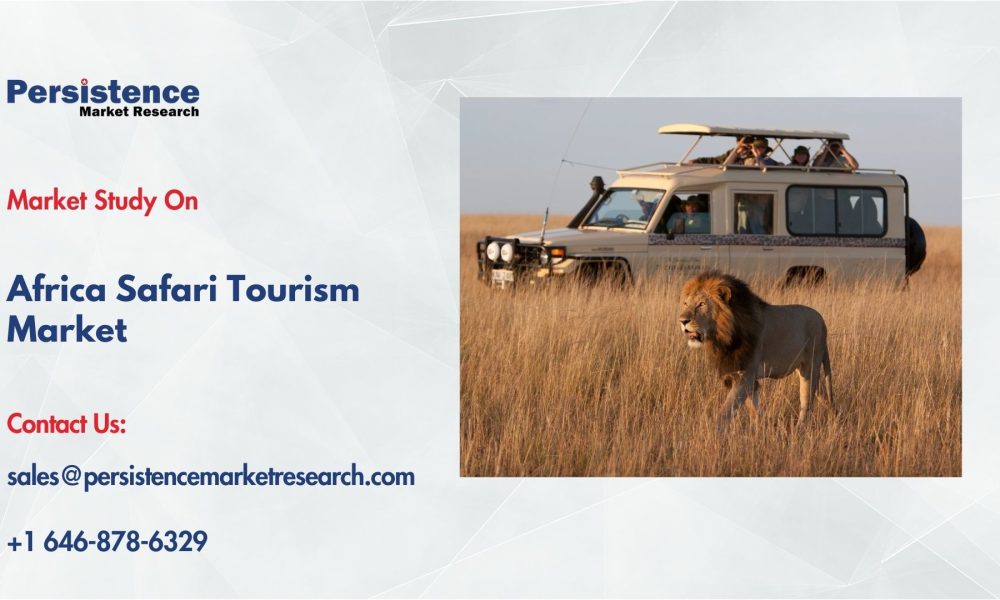
The Africa safari tourism market is set for steady expansion in the years ahead, driven by rising global interest in wildlife experiences, eco-tourism, and luxury travel. Valued at US$ 17.3 billion in 2025, the market is projected to grow to US$ 25.7 billion by 2032, advancing at a CAGR of 5.8% during the forecast period from 2025 to 2032. With its rich biodiversity, iconic landscapes, and unique cultural heritage, Africa remains the leading destination for safari tourism, attracting travelers from across the globe.
The growth is fueled by increasing disposable incomes, improved infrastructure, enhanced international connectivity, and growing awareness of conservation-driven travel. The expansion of luxury safari lodges, greater digital presence by tour operators, and the influence of social media showcasing Africa’s wildlife experiences are further contributing to rising tourist inflows. Governments across African nations are also prioritizing tourism as a key economic growth driver, launching initiatives to promote sustainable safari offerings while protecting natural habitats.
What makes Africa safari tourism unique compared to other global tourism markets?
Africa’s safari tourism stands apart due to its immersive combination of wildlife, culture, and natural beauty. Unlike other global destinations that emphasize entertainment or urban experiences, Africa offers an unparalleled connection to untamed nature. From the Great Migration in Kenya and Tanzania to gorilla trekking in Rwanda and Uganda, the continent delivers rare and authentic encounters that cannot be replicated elsewhere. This uniqueness makes Africa safari tourism a once-in-a-lifetime experience for many global travelers.
Receive Sample of Research Report @ https://www.persistencemarketresearch.com/samples/35088
Segmentation Analysis
The Africa safari tourism market can be segmented by type, service type, and booking channels, each reflecting evolving consumer preferences and industry dynamics.
By Type
The safari tourism market is broadly classified into adventure safaris, luxury safaris, eco-safaris, and others. Among these, luxury safaris dominate the market, driven by affluent travelers seeking personalized and premium experiences with high-end lodges, private tours, and exclusive game drives. However, eco-safaris are gaining traction as sustainability becomes a priority for travelers, particularly among younger generations. This segment is anticipated to record the fastest growth during the forecast period, supported by initiatives promoting conservation tourism and eco-lodges that minimize environmental impact.
By Service Type
Safari tourism encompasses a wide variety of offerings, including guided tours, safari lodges and camps, vehicle rentals, and cultural excursions. Guided safaris remain the most popular, as professional expertise enhances visitor experiences by providing safety, wildlife insights, and local storytelling. The rise of experiential travel has led to demand for integrated packages that combine wildlife tours with cultural heritage visits, wellness retreats, and culinary experiences. Luxury safari lodges, equipped with world-class amenities and eco-friendly designs, are also reshaping the industry by catering to discerning travelers.
By Booking and Channel
Digital transformation has significantly reshaped how safari tours are marketed and booked. Online travel agencies (OTAs), specialized safari platforms, and direct bookings through official lodge websites dominate the distribution channels. The growing role of social media marketing and influencer-driven promotions is further influencing tourist decision-making. The convenience of comparing packages, securing bookings instantly, and accessing customized itineraries online is propelling the online booking channel as the fastest-growing segment.
Regional Insights
East Africa continues to dominate the safari tourism market, with Kenya, Tanzania, and Uganda leading due to iconic attractions such as the Serengeti, Masai Mara, and Bwindi Impenetrable National Park. These regions benefit from extensive wildlife diversity, the annual Great Migration, and well-established safari infrastructure. Southern Africa, led by South Africa, Botswana, and Namibia, is also a key player, offering luxury safari experiences combined with modern infrastructure and adventure opportunities.
West Africa, though relatively underdeveloped in terms of safari infrastructure, is witnessing increasing interest due to its unique cultural heritage and emerging wildlife reserves. Among regions, East Africa is projected to remain the leader, while Southern Africa is expected to record the fastest growth, driven by growing investment in luxury safari lodges, enhanced marketing campaigns, and its positioning as a safe, high-quality travel destination.
Unique Features and Innovations in the Market
Modern safari tourism in Africa is undergoing transformation through innovation and technology integration. From electric safari vehicles to drone-assisted wildlife tracking, safari operators are embracing sustainability and digital solutions to enhance customer experiences. Luxury lodges are incorporating solar energy, water recycling systems, and locally sourced materials, reflecting the shift toward eco-conscious tourism.
Furthermore, technologies like AI and IoT are playing a role in tailoring personalized itineraries, analyzing tourist behavior, and improving safety. For instance, AI-driven apps provide real-time wildlife sighting updates, while IoT-enabled wearable devices ensure safety during treks. The integration of 5G is enabling faster communication, live streaming of wildlife encounters, and seamless digital services within remote safari destinations. These innovations are differentiating African safaris from traditional tourism experiences by blending adventure with modern convenience and sustainability.
Market Highlights
The adoption of safari tourism is influenced by a combination of economic, cultural, and environmental factors. Tourists are increasingly seeking sustainable and experiential travel options, which align with conservation initiatives that preserve ecosystems while benefiting local communities. Regulatory frameworks by African governments, such as national park fees and eco-certification programs, ensure that the market balances tourism growth with wildlife preservation.
Cost optimization through digital channels, bundled packages, and competitive airline routes is making safaris more accessible to middle-income travelers. Sustainability is also central to market appeal, with many travelers preferring eco-friendly lodges and tours that directly contribute to conservation projects and community development. These factors highlight safari tourism’s dual role as a global travel attraction and a key contributor to Africa’s economic development.
Do You Have Any Query or Specific Requirement? Request Customization of Report: https://www.persistencemarketresearch.com/request-customization/35088
Key Players and Competitive Landscape
The Africa safari tourism market is highly fragmented, with both international luxury brands and local operators playing crucial roles. Leading players are focusing on product innovation, eco-friendly practices, and regional expansions to strengthen their competitive positioning.
Wilderness Safaris, a leading eco-luxury brand, emphasizes conservation-focused lodges and sustainable safari packages across Southern Africa. &Beyond has positioned itself as a global luxury safari operator, combining high-end lodges with personalized services and community-driven tourism models. Singita is renowned for its ultra-luxury lodges and conservation projects in South Africa, Zimbabwe, and Tanzania, appealing to high-net-worth individuals seeking exclusive experiences.
Local operators such as Gamewatchers Safaris in Kenya and Nomad Tanzania are expanding their footprints through affordable eco-safari options, targeting budget-conscious yet experience-driven travelers. Partnerships between local operators and global OTAs are also enhancing visibility and expanding customer reach.
Outlook
Looking ahead, the Africa safari tourism market holds immense potential as demand for authentic, sustainable, and luxury travel experiences continues to rise. The ongoing integration of advanced technologies, improved accessibility, and investment in conservation-friendly infrastructure will reshape the industry. Government support, coupled with international collaborations, is expected to accelerate market growth and improve resilience against challenges such as political instability and climate change.
With growing awareness of eco-tourism and sustainable practices, Africa is poised to capture a larger share of the global tourism market. Future opportunities lie in expanding safari offerings to include cultural immersion, wellness tourism, and digital-driven personalization. As evolving technologies and regulations continue to redefine the industry, Africa safari tourism is set to remain a cornerstone of global travel, blending natural beauty with innovation and sustainability.
Explore the Latest Trending Research Reports:




