
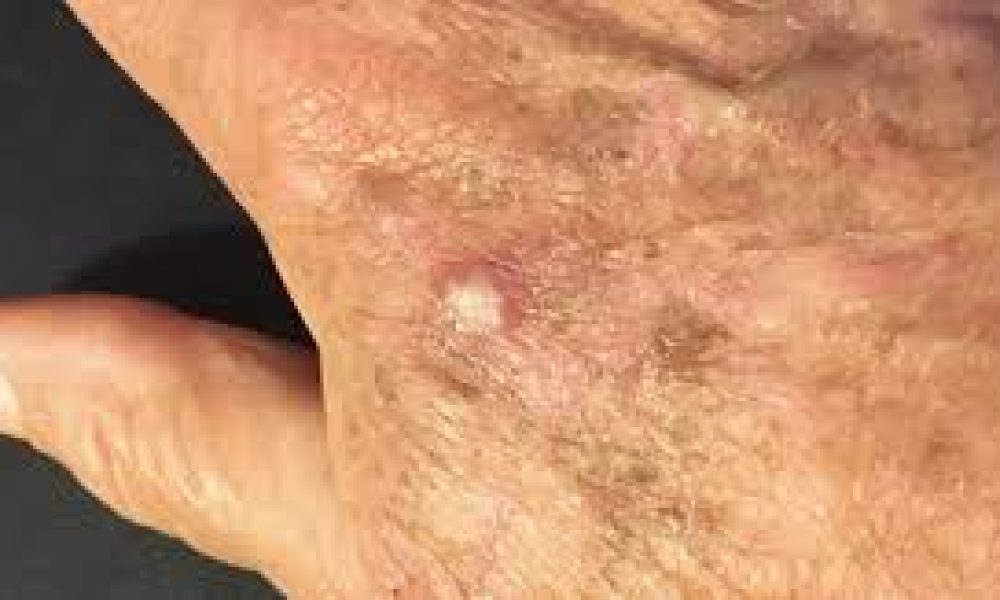
The global actinic keratosis treatment market is witnessing sustained growth, driven by increasing disease prevalence, technological innovation, and rising awareness regarding early skin cancer prevention. Valued at approximately US$ 6.9 billion in 2026, the market is projected to reach US$ 11.1 billion by 2033, expanding at a compound annual growth rate (CAGR) of 7.1% during the forecast period.
Actinic keratosis (AK), a precancerous skin condition caused by prolonged ultraviolet (UV) exposure, has become a significant public health concern, particularly in aging populations and regions with high sun exposure. With millions of cases diagnosed annually, dermatologists emphasize early detection and timely treatment to prevent progression into squamous cell carcinoma. This growing clinical urgency is directly influencing market expansion and innovation in treatment approaches.
Download Your Free Sample & Explore Key Insights: https://www.persistencemarketresearch.com/samples/27691
Key Drivers Fueling Market Expansion
One of the primary factors driving the actinic keratosis treatment market is the rising prevalence of the condition worldwide. Increased UV exposure due to climate patterns, outdoor lifestyles, and occupational hazards has significantly contributed to higher diagnosis rates. In addition, aging populations—particularly in developed regions—are more susceptible to cumulative sun damage, further increasing patient volumes.
Another major growth driver is the increasing awareness of skin health and cancer prevention. Public health campaigns, dermatology associations, and government initiatives are encouraging routine skin screenings and early intervention. As a result, patients are seeking treatment earlier, often requiring repeated therapy cycles for long-term disease management.
Technological advancements and ongoing research and development (R&D) are also reshaping the market. Pharmaceutical companies are introducing improved topical therapies with shorter treatment durations and enhanced efficacy. Furthermore, the approval of novel therapies by regulatory authorities is boosting physician confidence and accelerating adoption.
Surge in Drug Approvals and Innovative Therapies
The market is benefiting significantly from a growing number of drug approvals and product launches. Regulatory bodies have approved several effective treatments, including topical agents such as fluorouracil, imiquimod, diclofenac, and ingenol mebutate. These therapies are widely used due to their targeted action, ease of application, and reduced risk of scarring.
Emerging treatments and combination therapies are further enhancing clinical outcomes. Pharmaceutical companies are actively investing in pipeline drugs aimed at improving lesion clearance rates and reducing recurrence. Increased commercialization of these therapies is expected to strengthen market growth in the coming years.
Additionally, the adoption of minimally invasive procedures is gaining traction among both patients and clinicians. These treatments offer improved cosmetic outcomes, reduced recovery times, and greater convenience, making them increasingly popular in dermatology practice.
Market Challenges Hindering Growth
Despite positive growth trends, the actinic keratosis treatment market faces several challenges. A key restraint is the lack of skilled professionals, particularly in emerging economies. Treatments such as cryotherapy, chemical peels, and photodynamic therapy require specialized expertise, which is not widely available in all regions.
Another limitation is the low penetration of treatment in developing markets, where awareness remains limited and healthcare infrastructure is still evolving. High treatment costs and limited access to dermatology services further restrict market expansion in these regions.
The presence of alternative remedies, including natural or home-based treatments, also poses a challenge, as some patients opt for these options instead of clinically approved therapies.
Get Custom Insights Designed for Your Businecss: https://www.persistencemarketresearch.com/request-customization/27691
Emerging Opportunities in Photodynamic Therapy
One of the most promising opportunities in the market lies in the expansion of daylight photodynamic therapy (PDT). This innovative approach offers comparable efficacy to conventional PDT while significantly reducing treatment-related discomfort. Patients benefit from shorter procedures and improved tolerability, making it an attractive option for widespread adoption.
Advancements in photosensitizers and illumination devices are further enhancing the effectiveness and accessibility of PDT. Clinical studies have demonstrated that daylight-based protocols can deliver consistent results throughout the year, contributing to their growing popularity.
The increasing demand for non-invasive and cosmetically favorable treatments is also driving the adoption of photodynamic therapy. As patients become more conscious of aesthetic outcomes, therapies that minimize scarring and downtime are gaining preference.
Segment Analysis: Dominance of Topical Treatments
Topical therapies continue to dominate the actinic keratosis treatment market, accounting for the largest share—approximately 47% in 2026. These treatments are widely regarded as the first-line option for early-stage disease and field cancerization.
Commonly prescribed agents such as 5-fluorouracil and imiquimod offer high efficacy and the ability to treat multiple lesions simultaneously. Their ease of home application reduces the need for clinical visits, making them a convenient and cost-effective option for patients.
Newer treatments, including tirbanibulin ointment, are further strengthening this segment by offering improved safety profiles and shorter treatment durations. High patient adherence and strong clinical outcomes continue to support the dominance of topical therapies in the global market.
End-User Insights: Hospitals Lead the Market
Hospitals remain the leading end-user segment in the actinic keratosis treatment market. Their dominance is attributed to the availability of advanced diagnostic tools, multidisciplinary expertise, and comprehensive treatment options.
Many hospitals have established dedicated dermatology and oncology departments, enabling accurate diagnosis, biopsy confirmation, and integrated treatment approaches. The presence of advanced technologies such as digital dermoscopy and AI-based screening tools is further improving diagnostic accuracy and patient outcomes.
Favorable reimbursement policies in developed markets also encourage patients to seek treatment in hospital settings, particularly for complex or high-risk cases. As the prevalence of skin cancer continues to rise, hospitals are expected to maintain their strong position in the market.
Regional Insights
North America: A Mature and High-Value Market
North America continues to lead the global actinic keratosis treatment market, supported by a well-established healthcare infrastructure and high levels of disease awareness. Routine screening practices, strong dermatology networks, and widespread insurance coverage contribute to early diagnosis and treatment.
The region is also at the forefront of innovation, with rapid adoption of newly approved therapies and advanced photodynamic systems. Academic institutions and specialty clinics play a key role in clinical research, driving the introduction of next-generation treatments.
Asia Pacific: Fastest-Growing Region
Asia Pacific is emerging as the fastest-growing market, driven by demographic changes and increasing healthcare investments. Rapid population aging in countries such as Japan, China, and South Korea is expanding the patient base.
Improved access to dermatology services, rising awareness of sun-related skin conditions, and growing adoption of topical therapies are fueling market growth. Additionally, the expansion of hospital networks and local manufacturing capabilities is making treatments more accessible and affordable.
Photodynamic therapy is also gaining traction in urban centers, particularly among patients seeking non-invasive and cosmetically appealing treatment options.
Checkout Now & Download Complete Market Report: https://www.persistencemarketresearch.com/checkout/27691
Competitive Landscape
The actinic keratosis treatment market is characterized by intense competition and gradual consolidation, with a limited number of major players dominating global revenues. Companies are focusing on strategic initiatives such as mergers, acquisitions, and partnerships to strengthen their market position.
Significant investments in R&D are enabling the development of advanced therapies, including improved topical formulations and innovative photodynamic systems. Lifecycle management strategies, such as formulation enhancements and combination therapies, are being used to extend product exclusivity and maintain competitive advantage.
Market participants are also expanding their presence in emerging regions through collaborations and distribution agreements, aiming to tap into growing demand.
Recent Developments
Recent developments highlight the ongoing innovation in the market. In 2025, Torqur AG initiated a Phase II clinical trial for Bimiralisib, evaluating its safety and efficacy in treating actinic keratosis across multiple international centers.
In the same year, Biofrontera submitted a supplemental New Drug Application (sNDA) to increase the dosage of aminolevulinic acid hydrochloride, aiming to enhance the effectiveness of photodynamic therapy.
Such advancements underscore the industry’s commitment to improving treatment outcomes and expanding therapeutic options for patients.
Future Outlook
The future of the actinic keratosis treatment market looks promising, with continued growth expected over the next decade. Rising awareness, increasing diagnosis rates, and ongoing innovation will remain key drivers.
The shift toward patient-friendly, non-invasive therapies, combined with advancements in digital diagnostics and personalized medicine, is likely to redefine treatment approaches. Emerging markets, particularly in Asia Pacific, will play a crucial role in shaping global demand.
As healthcare systems continue to prioritize early detection and preventive care, the actinic keratosis treatment market is poised for sustained expansion, offering significant opportunities for both established players and new entrants.




