
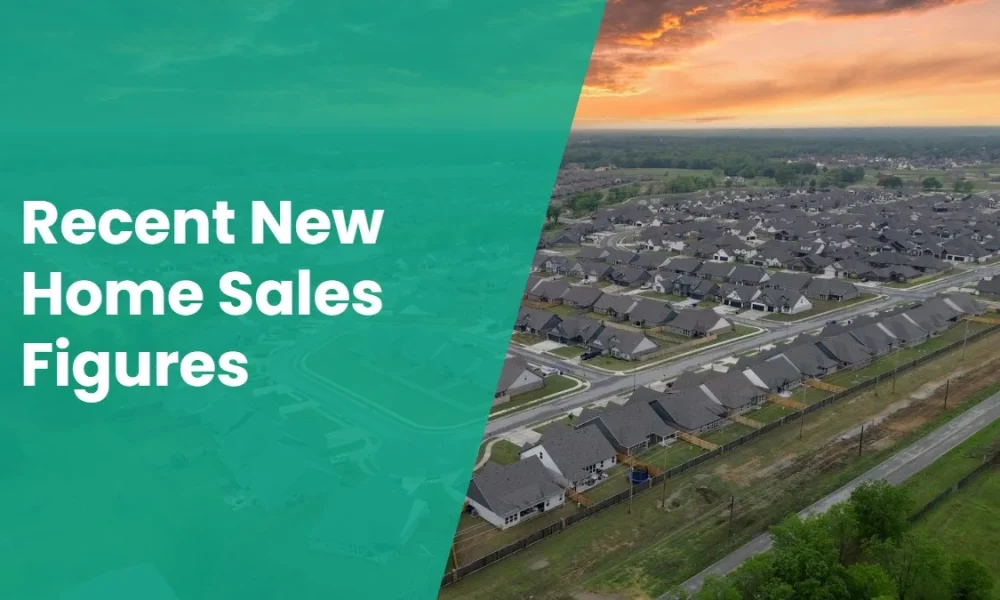
National housing headlines can feel remote, but every new home sale happens somewhere specific: a new street, a small subdivision on the edge of town, a former industrial site turned into houses. September 2026’s figures showed new home sales running at an annual rate of 676,000, beating expectations, while the median price fell 3.9% on the year. For local developers creating the next neighbourhood, those numbers translate into practical decisions about phasing, pricing and cost control.
What to know
|
The National Picture
According to investinglive’s report on September 2026 new home sales, published on 27 October 2026, sales reached an annual rate of 676,000 against an estimate of 650,000. The median sales price was $400,400, down 3.9% on a year earlier, and there were 476,000 new homes for sale, equal to 8.4 months of supply.
Behind those national numbers are thousands of local projects, each with its own story.
What Local Developers Do
Local developers turn land into communities. They buy sites, work with planning officials and neighbours, install roads and utilities, and either build homes themselves or sell lots to builders. Their decisions shape how towns grow for decades.
They also carry significant financial risk at every stage.
Working With the Community
Local projects succeed when they fit the area. Developers who engage early with residents, schools and local officials often face fewer objections and delays. Those relationships take time, and the costs of consultation and redesign should be tracked like any other expense.
Entitlement delays are one of the biggest sources of unplanned cost.
Tracking Land and Lot Costs
Every lot in a new neighbourhood carries a share of land, entitlement and infrastructure costs. Knowing that figure precisely helps developers price homes and lots sensibly, especially when prices are under pressure.
Specialist land development software for local developers tracks acquisition, pre-development and infrastructure costs alongside lot sales and takedowns.
Phasing the Neighbourhood
Most developments are built in phases, with roads and utilities installed ahead of each stage. With 8.4 months of new home supply nationally, phasing carefully to match local demand reduces carrying costs and risk.
Accurate cost-to-complete figures for each phase make those decisions easier.
Building Homes Locally
Developers who also build homes need to manage contracts, subcontractors, change orders and draws on every house. Linking construction costs to the same project records as land gives a true picture of profit per home.
Integrated real estate development software combines budgets, commitments and draw management with cost-at-completion forecasting.
It is worth reading PressSphera’s article on software built for property developers for a second perspective.
Local Trades and Suppliers
Local developers often rely on a network of local trades and suppliers. Keeping contracts, insurance certificates, lien waivers and payment history organised protects both sides and keeps relationships strong.
Paying trades accurately and on time is one of the best ways to secure good crews.
Pricing in a Softer Market
A 3.9% fall in the national median new home price suggests builders are adjusting prices or product mix. Local developers must judge their own market carefully, using local sales data and builder feedback.
Knowing true costs per home makes pricing decisions far more confident.
Financing Local Projects
Local developers typically work with regional banks and private lenders. Clear, accurate draw requests and budget reports build trust and keep funding flowing. Elevate Solutions says a draw package in its software takes under 30 minutes instead of six to eight hours.
Strong lender relationships are invaluable in slower markets.
Small Teams, Big Projects
Many local development firms have small teams handling large projects. Systems that automate draws, consolidations and reporting let them manage more without adding staff. Elevate Solutions offers unlimited users with no per-seat fees.
Site managers and partners can access the same data without extra licence costs.
Learning From Each Phase
Every completed phase offers lessons about costs, timelines and buyer preferences. Comparing final costs with budgets line by line improves estimates for the next phase.
That learning only works if costs are recorded consistently.
For mid-rise and high-rise schemes, lift planning has a direct effect on how a building leases. PublishNexus has a useful article on what elevator software needs to model, which shows why simulation at the design stage saves money later.
Getting Started With Better Systems
Local developers moving away from spreadsheets can start with consistent cost codes, budgets loaded before work begins and change orders recorded promptly. Elevate Solutions lists Excel, QuickBooks and Sage among common systems customers migrate from.
Small improvements in process add up quickly.
What Local Developers Should Watch
Local developers should track not only headline sales figures but also local inventory, buyer traffic and cancellation rates. These signals show how demand is holding up in a specific market. Keeping close contact with builders and agents adds valuable context that national data cannot provide.
Steady sales also offer a chance to plan the next phase carefully, securing approvals and contractors before activity picks up.
The Takeaway
September 2026’s new home sales show demand holding up while prices soften. Local developers building the next neighbourhood can protect their margins by tracking land and lot costs closely, phasing carefully and managing construction and financing on reliable, integrated systems.
What new development is changing your neighbourhood right now?